Nigeria’s power sector is collapsing under N2.7 trillion debts, failing privatisation, and repeated grid failures. Discover the shocking truths behind the energy crisis and bold strategies needed to avert economic and social disaster.
A Nation Plunged into Darkness Amidst Spiralling Debts
Nigeria’s power sector is once again in the throes of a deepening crisis, as the suspension of natural gas supply to power-generating companies (GenCos) has triggered a nationwide blackout. At the centre of this turmoil is an alarming N2.7 trillion debt, accrued from unpaid bills to gas producers, which has brought the nation’s energy infrastructure to its knees. The fallout is not only a stark reminder of systemic inefficiencies but also a harbinger of more profound socio-economic challenges.
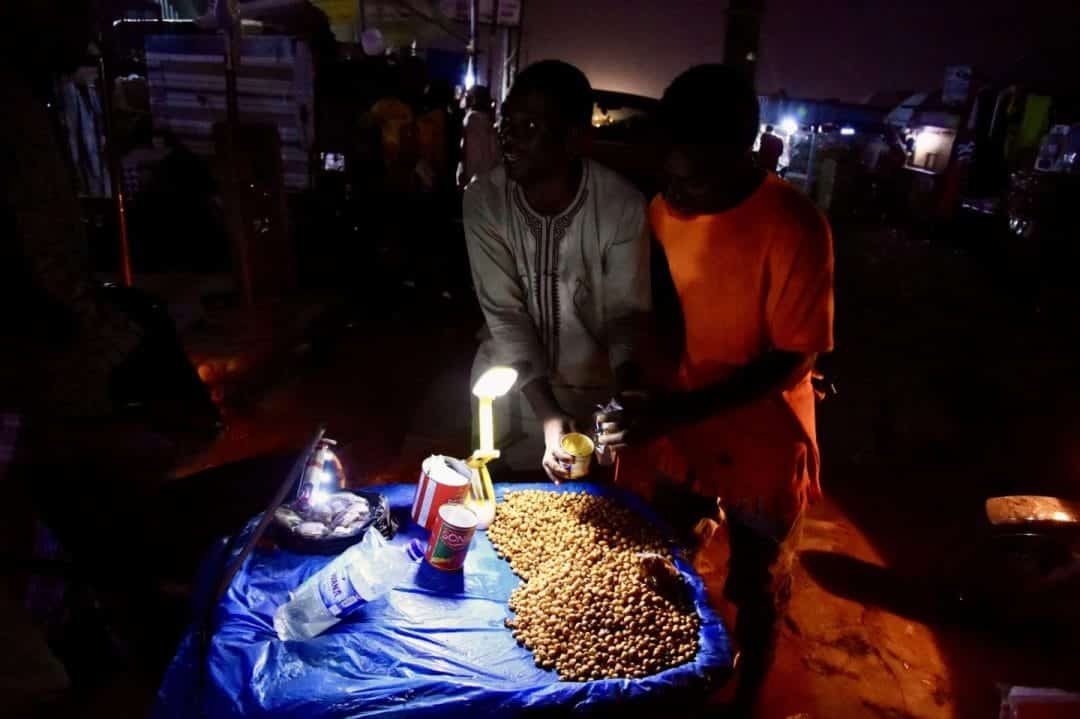
The current crisis erupted after the Nigerian Midstream and Downstream Petroleum Regulatory Authority (NMDPRA) reportedly instructed gas producers to halt supplies to indebted GenCos. This directive, ostensibly aimed at addressing the ballooning debt crisis, has instead pushed the nation into a debilitating power outage, with Nigerians waking up to darkness and despair. Over 70% of the country’s electricity is generated by gas-fired power plants, underscoring the devastating ripple effects of this supply disruption.
The Debt Spiral and Government’s Unfulfilled Promises
This impasse highlights the precarious state of Nigeria’s energy sector, where financial instability and regulatory failures have fostered an environment of mistrust and inefficiency. Earlier this year, the Minister of Power, Adebayo Adelabu, pledged that the Federal Government would begin settling the outstanding debts owed to GenCos and gas suppliers starting in April 2024. Yet, despite paying a modest N205 billion, the debt has only grown, surging to N2.7 trillion by December.
Dr. Joy Ogaji, CEO of the Association of Power Generation Companies (APGC), expressed frustration at the government’s inability to honor its commitments. She disclosed that gas suppliers, burdened by unpaid invoices, had no choice but to suspend deliveries, leaving GenCos unable to produce electricity. “The situation is dire,” she remarked. “We have been reduced to sharing in the poverty that the Nigerian Bulk Electricity Trading (NBET) company has imposed on us.”
The government’s piecemeal payments have done little to alleviate the sector’s woes. Even the Central Bank of Nigeria’s (CBN) promise to prioritise foreign exchange allocations for power sector investments remains a distant hope, further eroding confidence in the system.
The Collapse of the National Grid: A Recurring Nightmare
The latest blackout marks the twelfth collapse of Nigeria’s national power grid this year, an unsettling statistic that reveals systemic vulnerabilities. On Wednesday, December 11, 2024, the grid failed yet again, plunging the nation into darkness. Power generation plummeted from a peak of 4,013 megawatts at 4 am to a shocking 0.00 megawatts by 2 pm, according to official data.
The collapse has sparked widespread outrage, with consumers and advocacy groups demanding accountability. The Nigerian Consumer Protection Network, led by Kunle Olubiyo, has called for an independent forensic audit of the debts claimed by gas-producing companies. “The figures being bandied about do not align with the realities in the sector,” Olubiyo argued, accusing stakeholders of exploiting the government’s involvement to inflate claims and perpetuate corruption.
The Political and Economic Fallout
The broader implications of this crisis extend beyond power outages. The energy sector’s instability threatens to undermine economic growth, scare off investors, and erode public trust in the government’s ability to manage critical infrastructure. Small and medium-sized enterprises, which rely heavily on electricity to sustain operations, are particularly vulnerable, with many facing the prospect of closure due to rising operational costs.
Politically, the crisis represents a significant test for President Bola Ahmed Tinubu’s administration. Despite initial promises of reform, his government appears ill-prepared to tackle the entrenched inefficiencies and corruption plaguing the power sector. The inability to resolve the debt impasse has exposed glaring lapses in policy coordination and execution, further fuelling public discontent.
A Crisis of Trust and Accountability
The NMDPRA’s denial of any directive to halt gas supply has added another layer of confusion and mistrust. In a strongly worded statement, the regulatory authority dismissed reports of its involvement as “false and unfounded,” claiming that its recent stakeholder meetings were focused on promoting compliance with the Petroleum Industry Act (PIA). However, this denial does little to address the immediate crisis, as gas producers and GenCos remain locked in a financial standoff.
At the heart of this crisis lies a fundamental question of accountability. Who should bear the brunt of the sector’s financial burdens? The government’s partial privatisation of the power sector has created a hybrid model rife with inefficiencies and corruption. While GenCos and gas suppliers accuse the government of failing to meet its obligations, consumer advocates argue that private sector players have exploited regulatory loopholes to enrich themselves at the public’s expense.
Next Steps and the Road Ahead
The way forward requires a comprehensive reassessment of Nigeria’s energy policies. Experts have called for a full privatisation of the sector, alongside stringent regulatory measures to curb corruption and ensure financial discipline. The government must also address the structural flaws in its subsidy regime, which critics argue have perpetuated inefficiencies rather than alleviating them.

A Nation’s Power Sector on Life Support: The Crippling Impact of Policy Failures and Mounting Debts
As the fallout from the suspension of natural gas supply to Nigeria’s power generation companies (GenCos) deepens, it becomes imperative to unpack the structural dysfunctions plaguing the nation’s energy sector. With a staggering N2.7 trillion debt now hanging over the sector like a sword of Damocles, the latest blackout is not just a symptom of an energy crisis—it is an indictment of decades of policy missteps, financial imprudence, and corruption.
The Fragility of Nigeria’s Energy Backbone
At the heart of Nigeria’s electricity ecosystem lies a fragile grid, heavily reliant on gas-fired power plants, which account for over 70% of total generation. This lopsided dependency highlights a systemic failure to diversify energy sources. Renewable energy options such as solar, wind, and hydroelectric power remain underexplored, leaving the nation vulnerable to shocks in the natural gas supply chain.
The abrupt cessation of gas supplies to GenCos, allegedly spurred by directives from the Nigerian Midstream and Downstream Petroleum Regulatory Authority (NMDPRA), underscores this vulnerability. Although the NMDPRA has denied issuing such a directive, the domino effect of accumulated debts and bureaucratic inefficiency cannot be ignored. The ripple effects are severe: nationwide blackouts, a paralysed manufacturing sector, and mounting frustrations among Nigerians already grappling with inflation and unemployment.
Power Grid Collapse: A Recurring Nightmare
The collapse of the national grid for the twelfth time in 2024 paints a grim picture of the nation’s energy infrastructure. In less than 24 hours, electricity generation plummeted from 4,013MW to zero—a catastrophic scenario that left homes, businesses, and industries in the dark. The latest grid collapse has reignited debates on the technical and financial incompetence of the Transmission Company of Nigeria (TCN) and the broader inadequacies of the privatised power sector.
This failure comes despite assurances from the Federal Government to bolster the grid’s capacity through strategic investments and reforms. As Minister of Power Adebayo Adelabu pledged earlier in the year, the government had committed to offsetting GenCos’ debts to gas suppliers, yet the crisis persists. The dissonance between policy pronouncements and actionable results has only deepened public skepticism about the government’s capacity to address the energy crisis.
Financial Mismanagement or a Systematic Failure?
The ballooning debt owed by GenCos to gas suppliers has emerged as a flashpoint in the crisis. Despite partial payments of N205 billion made earlier this year, the debt has swelled to N2.7 trillion. According to Dr. Joy Ogaji, CEO of the Association of Power Generation Companies (APGC), GenCos have been forced into a precarious balancing act: channeling meagre government payments into settling only fractions of their gas invoices.
This systemic underfunding raises crucial questions: How did the debts spiral out of control? Are the debt claims legitimate, or have they been inflated to mask inefficiencies and corruption within the sector? Kunle Olubiyo, President of the Nigeria Consumer Protection Network, has called for an independent forensic audit of the claims—a suggestion that gains merit in light of allegations of bloated figures and opaque accounting practices.
Governance Gaps and a Mismanaged Privatisation Model
At its core, Nigeria’s power sector woes can be traced back to the botched privatisation exercise of 2013. While the initiative aimed to transfer operational control of power generation and distribution to private entities, it failed to establish robust regulatory frameworks and enforceable performance benchmarks. The result has been a chaotic market where power distribution companies (DisCos) operate without collateralised commitments, and gas suppliers extend credit without guarantees of payment.
Olubiyo’s assertion that the government should fully exit the power sector highlights a growing consensus among stakeholders. The current hybrid model—where public and private players share responsibilities—has inadvertently fostered inefficiencies and corruption. As Olubiyo noted, continued government equity in the sector allows unscrupulous operators to exploit public funds while delivering substandard services.
Public Outcry and the Path Forward
The national blackout has amplified public discontent, with Nigerians voicing their frustrations on social media and in public forums. For a nation already reeling from economic hardships, the inability to ensure stable electricity supply feels like a betrayal of trust. Critics argue that the government’s piecemeal approach to tackling the energy crisis has only perpetuated a cycle of dependency, inefficiency, and underperformance.
While the NMDPRA has denied issuing directives to halt gas supplies, its credibility has taken a hit. Stakeholder engagements, such as the recent meeting in Lagos, have done little to assuage concerns about the authority’s capacity to oversee a sector mired in disputes and regulatory gaps. The emphasis on wholesale supply licensing, as outlined in the Petroleum Industry Act (PIA) of 2021, appears disconnected from the immediate realities of mounting debts and grid instability.
The Role of International Players and the Global Perspective
Nigeria’s energy crisis also has implications on the global stage. As Africa’s largest economy, the country’s inability to stabilise its power sector undermines investor confidence and complicates its aspirations to become an industrial hub. International partners, including the World Bank and the International Monetary Fund (IMF), have consistently advocated for reforms, but progress remains slow.
The Road Ahead: Solutions, Stakeholders, and Consequences of Inaction
As Nigeria stands on the precipice of an energy catastrophe, addressing the structural and financial issues plaguing the sector requires a combination of innovative strategies, stakeholder alignment, and robust governance. Failure to act decisively risks deepening the country’s economic woes and eroding public trust in leadership.
Towards a Sustainable Energy Framework
- Diversification of Energy Sources
Nigeria must prioritise reducing its overreliance on gas-fired power plants by aggressively investing in renewable energy. Solar, wind, and hydroelectric power remain largely untapped, despite the nation’s geographic and climatic advantages. Initiatives like the Rural Electrification Agency’s solar mini-grid projects must be scaled, coupled with private sector incentives to drive large-scale renewable energy adoption.While the Petroleum Industry Act (PIA) emphasises fossil fuels, a complementary renewable energy policy framework is essential for long-term sustainability. Countries like South Africa and Morocco have demonstrated that targeted investments in renewables can stabilize energy supply while mitigating climate change impacts. - Strengthening Grid Infrastructure
The repeated collapse of the national grid underscores the urgent need for modernization. Beyond replacing aging infrastructure, the Transmission Company of Nigeria (TCN) must adopt advanced grid management technologies. Smart grids, which enhance real-time monitoring and load balancing, could significantly reduce the frequency and impact of outages.Collaboration with international technology firms and multilateral development banks could provide the technical expertise and financing needed for such upgrades. The government must also decentralise the grid by promoting regional power systems that minimise reliance on the fragile national infrastructure. - Reforming Market Dynamics
To restore financial stability, the government must address the liquidity crunch within the sector. This entails a comprehensive audit of GenCos’ debt claims, as advocated by consumer rights groups, and the enforcement of cost-reflective tariffs. While tariff hikes are unpopular, their implementation—paired with subsidies for low-income consumers—could help DisCos and GenCos cover operational costs and settle debts.Additionally, revisiting the 2013 privatisation agreements to enforce stricter performance benchmarks for DisCos and GenCos is imperative. Investors who fail to meet service delivery standards should face penalties or risk losing operational licenses.
Engaging International Stakeholders
International stakeholders, including development banks and donor agencies, can play a pivotal role in reshaping Nigeria’s energy landscape. For instance:
- World Bank Support: With over $1 billion committed to Nigeria’s Power Sector Recovery Programme (PSRP), the World Bank’s focus on improving electricity access and operational efficiency must be matched by government accountability.
- Renewable Energy Investments: Partnering with global renewable energy companies to deploy solar and wind farms in underserved areas could alleviate pressure on the national grid. Incentives like tax breaks and co-financing agreements would attract foreign investors.
Nigeria must also strengthen ties with African energy initiatives, such as the African Development Bank’s “Desert to Power” project, which aims to harness solar energy across the Sahel.
The Consequences of Inaction
The costs of continued inaction are enormous, both economically and socially:
- Economic Stagnation: Persistent power outages discourage foreign direct investment (FDI) and cripple domestic industries, particularly manufacturing. Nigeria risks losing its competitive edge in the African Continental Free Trade Area (AfCFTA) if energy instability persists.
- Rising Public Discontent: Nationwide blackouts exacerbate public frustration with government leadership. With elections looming, energy failures could become a focal point of political discontent, further destabilising the political landscape.
- Worsened Living Standards: For ordinary Nigerians, energy poverty means higher costs for alternative sources like diesel generators, reduced productivity, and diminished quality of life. The poorest households bear the brunt of these crises, deepening social inequality.
A Call for Transparent Governance
Ultimately, the energy crisis reflects broader governance challenges. Transparency in financial dealings, particularly around the N2.7 trillion debt, is non-negotiable. Civil society groups, such as BudgIT and SERAP, must amplify calls for accountability in the sector.
Minister of Power Adebayo Adelabu has a monumental task ahead. Delivering on his promises to stabilise electricity supply requires more than rhetoric—it demands concrete actions, from debt resolution to infrastructure upgrades. A collaborative approach involving all stakeholders—government agencies, private investors, and international partners—is Nigeria’s best hope of overcoming this crisis.
Conclusion: A Turning Point for Nigeria
The ongoing energy crisis offers a stark reminder of the costs of neglect and mismanagement. Yet, it also presents an opportunity for a transformative overhaul of the sector. By embracing innovation, enforcing accountability, and fostering partnerships, Nigeria can turn its energy challenges into a springboard for growth and stability.
Additional reports: Taiwo Adebowale and Peter Jene, Atlantic Post Senior Business and National Correspondent, res[ectively.