By Osaigbovo Okungbowa, Senior Political Correspondent
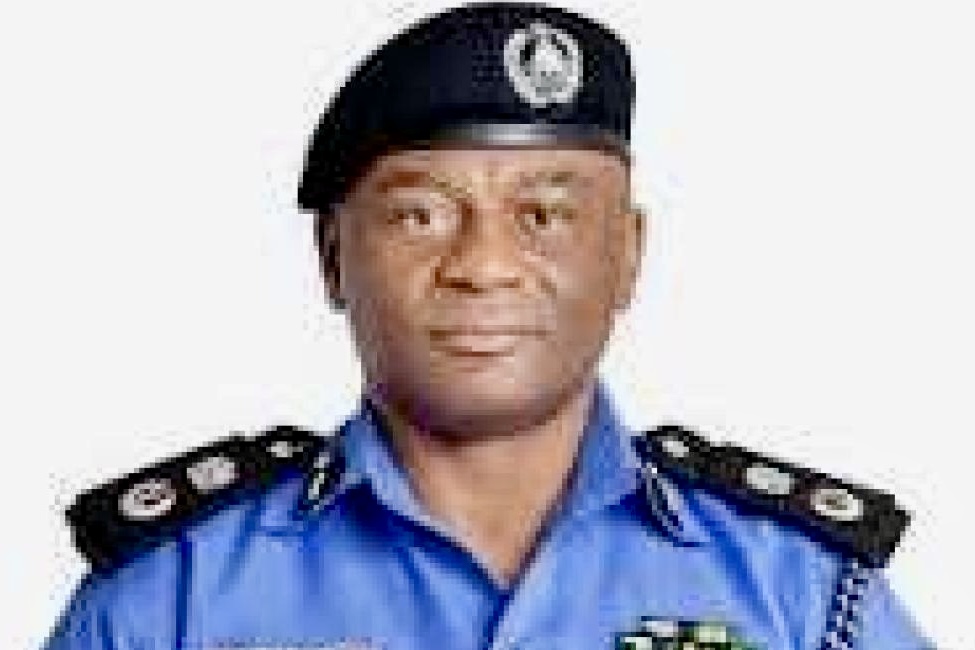
In a dramatic turn of events, the Nigeria Police Force (NPF) has vehemently denied claims that the Inspector General of Police, Kayode Egbetokun, ordered a curfew ahead of the planned nationwide #EndBadGovernance protest. The misinformation, primarily propagated by the online news platform Dockaysworld.com.ng, alleged that a strict curfew starting at 4 p.m. had been imposed, sending shockwaves through the already tense political climate.

The Misinformation Campaign
The false announcement of a curfew comes at a critical juncture for Nigeria, where citizens are increasingly mobilizing to voice their discontent over various governance issues. Dockaysworld.com.ng reported that the curfew was a preemptive measure to curb the anticipated protests, which have garnered significant support across the nation. According to the misleading report, the curfew was to take effect immediately, restricting movements and gatherings, and effectively stifling the planned demonstrations.
This fabricated news quickly spread across social media platforms, causing widespread panic and confusion. Many citizens, already disillusioned by the government’s response to previous protests, took to the streets and online spaces to express their outrage and frustration.
Nigeria Police Force’s Swift Response
In an urgent press release, the NPF categorically denied the imposition of any curfew. The Force Public Relations Officer, ACP Olumuyiwa Adejobi, condemned the false publication, labeling it as “entirely false and mischievous.” The statement emphasized that any such significant directive would be communicated through official NPF channels and not through unverified media reports.
“The false publication suggesting otherwise is a product of the authors’ imaginations and does not represent the position of the Nigeria Police,” the statement read. “We urge all media outlets and the general public to disregard this misinformation and rely on official statements from the Nigeria Police Force or other authorized government agencies.”
The Context: A Nation on Edge
The backdrop to this controversy is the planned nationwide #EndBadGovernance protest, set to take place in response to the escalating issues of corruption, poor governance, and economic hardship. The protest is seen as a continuation of the #EndSARS movement, which highlighted police brutality and other systemic failures.
The NPF’s statement is an attempt to quell the rising tension and restore public trust. However, the damage caused by the misinformation highlights the fragile state of public confidence in the government and its institutions. The rapid spread of the false curfew announcement reveals deep-seated anxieties and the volatile nature of Nigeria’s current political climate.
Media Responsibility and Public Trust
This incident underscores the critical role of the media in shaping public perception and the importance of responsible journalism. The false report by Dockaysworld.com.ng has not only misled the public but also exacerbated existing tensions. It serves as a stark reminder of the need for media outlets to verify information from credible sources before publication.
The NPF’s call for the public to rely on official statements is a bid to counteract the spread of misinformation. However, it also raises questions about the effectiveness of government communication channels. In an age where information spreads rapidly through social media, ensuring timely and accurate dissemination of official information is paramount.
Political Reactions and Public Sentiment
The reaction to the false curfew announcement has been swift and varied. Opposition parties have seized the opportunity to criticize the government, accusing it of attempting to suppress dissent through fear and misinformation. Prominent political figures and activists have also weighed in, calling for transparency and accountability from both the government and the media.
Peter Obi, a leading opposition figure, emphasized the need for unity and respect in the face of disagreement. “Differing views do not make someone an enemy,” Obi stated. “It is crucial to engage in constructive dialogue rather than resorting to personal attacks or negative remarks.”
This sentiment resonates deeply in the current climate, where public trust in institutions is precarious. The government’s ability to manage this crisis and maintain public order without infringing on democratic rights will be a critical test of its legitimacy.
The Broader Implications for Governance
The false curfew report and the ensuing backlash highlight broader issues of governance and public accountability in Nigeria. The government’s response to the planned protests and the spread of misinformation will significantly impact its standing with the public.
If the administration is seen as attempting to suppress legitimate dissent, it could face a severe backlash that further destabilizes the political landscape. Conversely, a measured and transparent approach that respects the right to protest while maintaining public order could help restore some measure of public trust.
The Role of Civil Society and International Community
Civil society organizations and international observers are closely monitoring the situation. The role of civil society in advocating for transparency, accountability, and respect for human rights is more critical than ever. These organizations can serve as a counterbalance to governmental overreach and ensure that the voices of ordinary Nigerians are heard.
The international community also has a stake in Nigeria’s stability. As Africa’s most populous country and largest economy, Nigeria’s political stability has regional and global implications. Diplomatic pressure and support for democratic processes can help mitigate the risks of escalation.
Moving Forward: A Call for Vigilance and Engagement
As Nigeria navigates this tumultuous period, vigilance and engagement from all sectors of society are essential. The media must exercise greater responsibility in reporting, ensuring that information is accurate and verified. The government must prioritize transparent communication and respect for democratic principles.
For the public, maintaining a critical and informed perspective is crucial. In an era where misinformation can spread rapidly, discerning credible sources and fostering constructive dialogue can help mitigate the impact of false reports.
Conclusion: A Defining Moment for Nigeria
The false curfew announcement and the subsequent reactions have laid bare the challenges facing Nigeria’s democracy. As the nation prepares for the planned #EndBadGovernance protest, the government’s actions will be closely scrutinized.
This episode is a defining moment for Nigeria, one that will test the resilience of its democratic institutions and the resolve of its people. The path forward requires a commitment to truth, transparency, and respect for the fundamental rights that underpin a democratic society.
In this critical juncture, the eyes of the world are on Nigeria. How the government, media, and civil society navigate this crisis will shape the country’s future and its standing on the global stage.