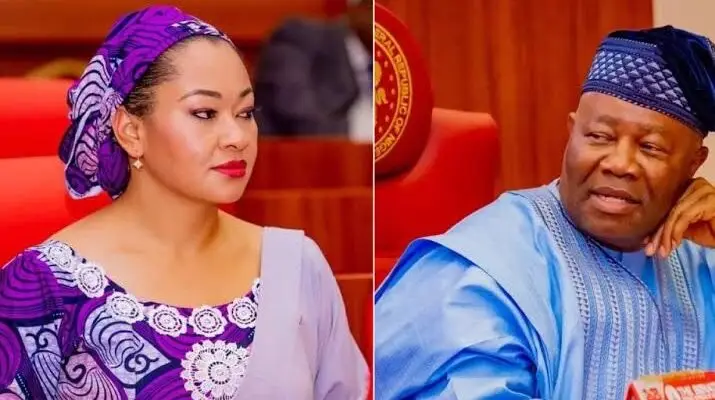
The Independent National Electoral Commission (INEC) of Nigeria has rejected a petition for the recall of Senator Natasha Akpoti-Uduaghan, citing procedural deficiencies. Despite substantial documentation, the petition did not meet critical requirements, stirring debate on the impact of strict regulations on democratic processes and accountability in Nigerian politics.
ABUJA, Nigeria — In a dramatic turn of events that has rocked the corridors of Nigerian politics, the Independent National Electoral Commission (INEC) has categorically dismissed the petition calling for the recall of Senator Natasha Akpoti-Uduaghan.
The move, unveiled at INEC’s weekly meeting on 25 March 2025, is being hailed by some as a staunch adherence to regulatory rigour, while others argue it exposes vulnerabilities in the recall mechanism for elected representatives.
INEC’s National Commissioner and Chairman of the Information and Voter Education Committee, Sam Olumekun, revealed that the petition—submitted by representatives of Kogi Central Senatorial District—failed to satisfy critical submission requirements.
Despite the submission being supported by six bags of documents and purported signatures from over half of the 474,554 registered voters across 902 Polling Units, serious procedural shortcomings have led to its rejection.
The petitioners were unable to provide a definite contact address, telephone numbers, and email addresses for all representatives as mandated under Clause 1(f) of INEC’s Regulations and Guidelines.
Olumekun’s statement highlighted that the only address provided was a vague “Okene, Kogi State”, coupled with the telephone number of merely the lead petitioner.
“The commission is committed to ensuring that every recall petition meets the established regulatory framework,” he stressed. “The recall of a legislator is the prerogative of registered voters who demonstrate, through due process, their loss of confidence in their representative.”
The decision has ignited heated debates among political stakeholders and grassroots activists who claim that bureaucratic rigidity may impede the democratic process.
Political analysts are quick to point out that while adherence to procedure is vital, the INEC’s stringent stance might dissuade legitimate recall efforts. In an era where public trust in political representatives is waning, the mechanism for holding lawmakers accountable becomes all the more significant.
Critics argue that INEC’s emphasis on technicalities could undermine the genuine voices of constituents who are calling for change. Conversely, supporters of the decision maintain that a strict application of the rules is necessary to safeguard the integrity of the electoral process and prevent potential abuse of recall petitions.
The recall process, as outlined by INEC, mandates a transparent verification procedure. Signatories’ credentials are to be verified using the Bimodal Voter Accreditation System (BVAS) in an open process observed by both political agents and accredited media representatives.
This robust verification process is designed to ensure that only registered voters who have genuinely expressed their dissent through their signatures are considered in the subsequent stages.
Should the petitioners address the identified deficiencies, INEC has indicated that it will promptly announce the next steps in accordance with extant laws, regulations, and guidelines.
The fallout from this decision is already reverberating on social media, with speculation and rumours abounding. Olumekun, however, has categorically urged Nigerians to disregard unverified narratives circulating online.
As the political community braces itself for further developments, this episode has underscored the persistent tension between grassroots demands for accountability and the procedural safeguards that govern electoral processes.
As the saga unfolds, stakeholders from Kogi Central to the national political arena will be watching closely. The INEC’s firm stance may well set a precedent for how recall petitions are handled in the future—balancing the need for democratic responsiveness with the imperative of regulatory compliance in Nigeria’s evolving political landscape.
- Additional report from Osaigbovo Okungbowa, Atlantic Post Senior Political Correspondent