Nigeria’s northern security crisis deepened again on Monday as fresh reports from Katsina and Yobe laid bare the scale of the country’s unrelenting violence.
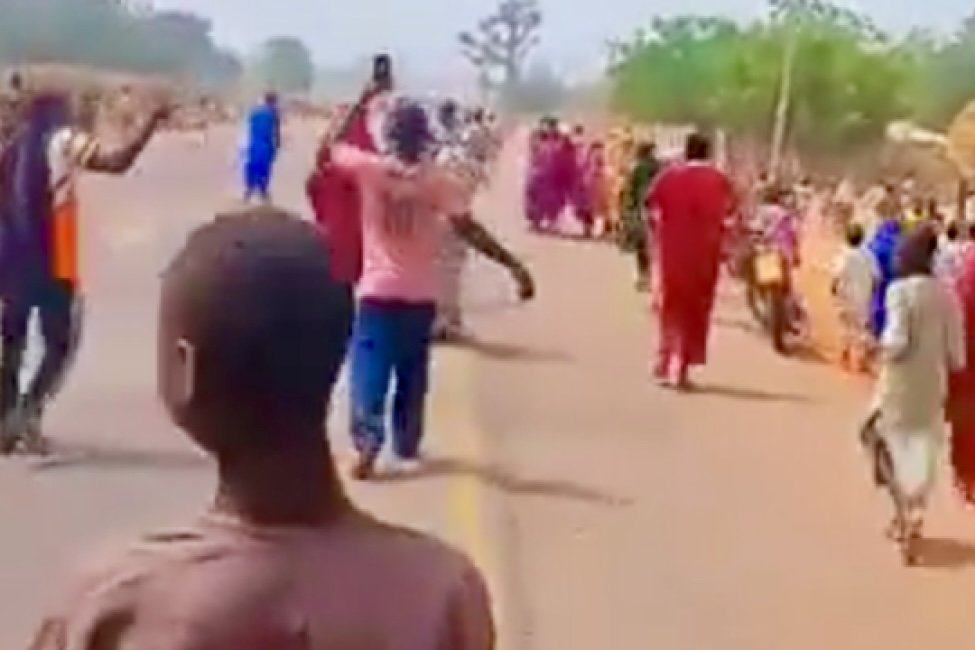
In Katsina, local reports said at least 12 people were killed in coordinated bandit attacks on communities, while in Yobe a separate assault on military formations reportedly left dozens of soldiers and Mobile Police officers dead.
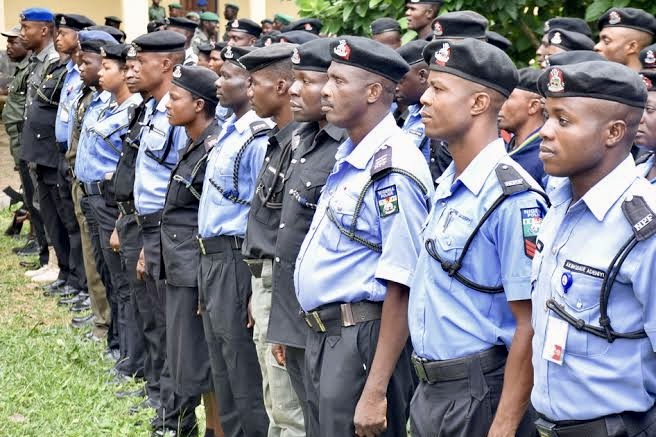
The bigger picture is grim. The Nigeria Police Force is now led by Olatunji Rilwan Disu, whose appointment as Inspector-General of Police was ratified by the State House in March 2026.
A Family Left Waiting
At the centre of the other tragedy is a grieving family whose pain has become another indictment of official silence.
According to the relatives, the slain officer, Suleiman, was the first son of the family and had always dreamed of serving Nigeria through the police. The family said the police had not formally informed them of his death, nor disclosed where his corpse was kept.
One relative pleaded that authorities should “release it so we can bury him according to Islamic rites,” while also saying Suleiman had “died in the line of duty”. They further demanded compensation, entitlements and benefits without delay.
That complaint is more than a private grief. It suggests a recurring institutional failure in how Nigeria handles casualties among its own security personnel, especially when families are left to search for answers at the same time they are planning funerals.
The appeal was directed at President Bola Ahmed Tinubu and the police leadership under IGP Disu, a reminder that the human cost of this war is not only counted in body bags but in broken communication, delayed recognition and withheld dignity.
Yobe’s Midnight Ambush
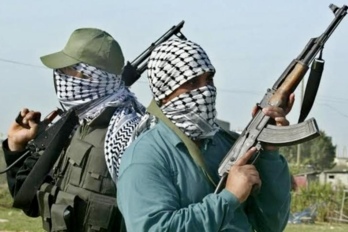
The Yobe account is even more alarming. SaharaReporters said Boko Haram fighters attacked two military formations in Gujba Local Government Area, hitting the Theatre Training Centre in Buniyadi and the 27 Task Force Brigade in Buni Gari around 1 a.m. on Friday.
One surviving soldier told the outlet, “My camp was attacked by Boko Haram,” and said “three soldiers were killed in action” during the opening phase of the assault. A follow-up report said the combined death toll from the two attacks had risen to at least 36.
Katsina’s Blood Trail Keeps Growing
If that account is confirmed in full, it would underline a dangerous pattern that has haunted the northeast for years. Boko Haram and its splinter groups have repeatedly targeted military outposts, not just civilians, in a bid to seize arms, disrupt deployments and advertise continued reach. Reuters and AP have both documented the wider pressure on Nigeria’s armed forces in the northeast, including repeated base assaults, casualties among troops and the persistent strain of a conflict that has outlived several administrations.
Katsina remains one of the clearest symbols of Nigeria’s security breakdown. Local reporting this week said at least 12 people were killed in fresh attacks on communities in the state, while AP reported that 15 people were killed in a reprisal assault in the Jibia area last month after local security forces had killed three gunmen. AP also reported that the Katsina state government said the army killed 45 militants in Danmusa in March after bandits returned for revenge. These are not isolated incidents. They form a steady chain of attack, retaliation and renewed attack.
That cycle matters because it shows why the state keeps losing ground. Banditry in the north west has become a standing emergency, not a one-off crime wave, and the victims are increasingly ordinary villagers, farmers, travellers and local security personnel who are repeatedly forced to face armed groups with little sign of lasting deterrence. AP’s wider reporting on Nigeria’s insecurity has repeatedly pointed to armed bandit raids in the north west and Islamist insurgent violence in the north east as two parallel but connected wounds on the national body.
The Political Cost For Tinubu
For President Tinubu, the political and moral cost is now impossible to ignore. Reuters reported in November 2025 that his administration declared a nationwide security emergency, ordered mass recruitment into the police and military, and redeployed officers from VIP duties to frontline zones. Yet the casualty lists keep growing. Families keep mourning. Communities keep running. And security institutions keep trying to explain why the violence continues to outrun their response.
The hard truth is that Nigeria is now fighting several wars at once. Bandits dominate parts of the north west. Boko Haram and ISWAP continue to test the army in the north east. Civilians are trapped between reprisal killings, abductions, night raids and the collapse of trust in the state’s ability to protect even its own personnel. Until the government can pair force with intelligence, speed, transparency and humane casualty handling, stories like Suleiman’s will keep repeating, and the nation will keep learning of its dead only after the fact.
SEO Title: Katsina Bloodshed and Yobe Horror Expose Nigeria’s Security Crisis
SEO Description: Families mourn in Katsina and Yobe as bandits and insurgents kill again, raising fresh questions over Nigeria’s security response.
CMS Tags: Katsina, Yobe, Banditry, Boko Haram, Nigeria Security, Tinubu