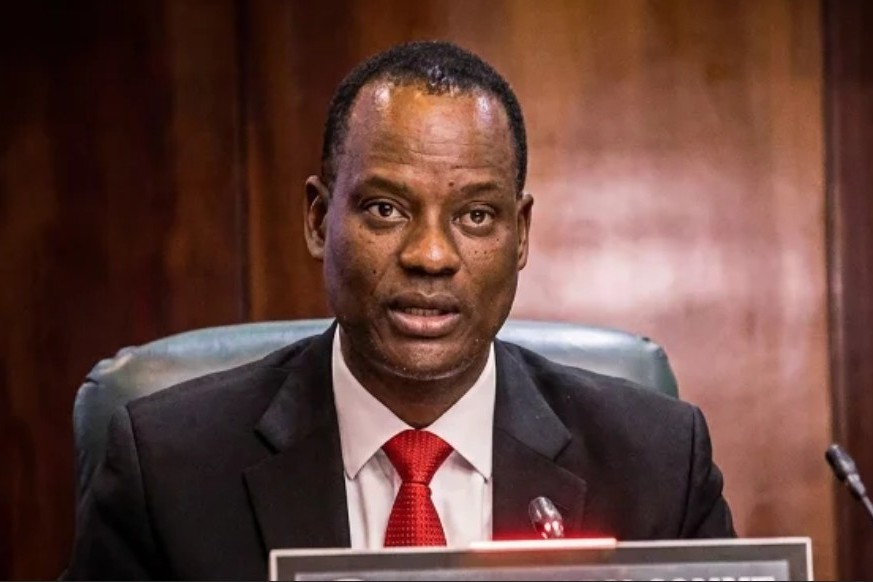
In a courtroom scene that could rival the most dramatic plots in Nollywood, Justice Rahman Oshodi of the Special Offences Court in Ikeja has granted bail to Jude Okoye, the former manager of the once-iconic hip-hop group P‑Square, and his company, Northside Music Limited.
The decision has sent shockwaves through Nigeria’s entertainment and legal sectors, as allegations of massive digital royalty theft continue to swirl around the high-profile defendant.
With allegations totalling $1,019,763.87 and £34,537.59, the case is now poised to become one of the most sensational legal battles in recent Nigerian history.
A Courtroom Conundrum: The Bail Decision
On Thursday, Justice Oshodi approved a bail sum of N50 million for Jude Okoye, with a matching amount required from two sureties.
The defendant and his company had been charged with four counts related to the alleged theft and conversion of over $1 million and £34,000 in royalties derived from digital music distribution and publishing.
During the arraignment on March 4, 2025, prosecution counsel Mohammed Bashir of the Economic and Financial Crimes Commission (EFCC) laid out the case against the accused, claiming that the alleged misappropriation of funds spanned from 2016 to 2023.
The court’s ruling was not without its conditions. In a bid to prevent any potential flight risk, Justice Oshodi ordered that Jude Okoye must submit his two international passports—the Nigerian and St Kitts and Nevis passports—to the Registrar of the court.
In a further blow to the defendant’s freedom of movement, the EFCC was instructed to notify the immigration authorities, ensuring that the passports remain withheld until the conclusion of the trial.
This stringent measure underscores the gravity of the charges and the court’s determination to see justice served.
The Dual Citizenship Dilemma and Flight Risk Fears
One of the most explosive aspects of the case is Jude Okoye’s dual citizenship. While his Nigerian passport speaks to his roots in the vibrant heart of Nigeria’s music scene, his St Kitts and Nevis passport raises serious concerns about the possibility of him absconding once bail is granted.
Prosecution counsel Bashir was emphatic in his opposition to bail, arguing that dual citizenship and possession of two passports could provide the defendant with an easy avenue to flee the country.
The risk of absconding is further compounded by the sheer scale of the alleged theft, with the prosecution highlighting that the multiple charges and counts against him could create an overwhelming incentive for flight.
Family Feud or Civil Dispute? The Defence’s Counter-Narrative
Not content to simply accept the prosecution’s narrative, the defence counsel, Clement Onwuenwunor (SAN), painted an alternative picture of the case.
In a dramatic bail application filed on 27 February 2025, Onwuenwunor argued that the dispute was less about criminal intent and more about a bitter civil quarrel—a family feud, if you will, between directors within the business empire of Northside Music Limited.
In a bid to secure a favourable outcome, he proposed that Jude Okoye be released into the custody of his younger brother, Paul Okoye, better known by his stage name, Rudeboy.
The involvement of a family member, especially one with the popular Rudeboy moniker, adds a layer of celebrity intrigue and could potentially sway public sentiment.
Northside Music Limited: The Corporate Angle
While Jude Okoye’s personal legal battle has already captured headlines, his company, Northside Music Limited, finds itself entangled in the web of allegations.
The company stands accused of being complicit in the alleged misappropriation of digital royalties—a charge that could have far-reaching implications for the broader Nigerian music industry.
Given the dynamic nature of digital music distribution and the rapid evolution of music publishing in the digital age, the case could set a precedent for how similar disputes are handled in future.
Industry experts are watching closely, speculating that a ruling in this case could force stricter regulatory oversight and spark a broader conversation about financial governance in the entertainment sector.
The EFCC’s Role and the Legal Framework
The EFCC, Nigeria’s leading anti-corruption agency, has been relentless in its pursuit of justice in high-profile financial crimes.
In this case, the commission alleges that Jude Okoye and Northside Music Limited violated sections 278 and 285 of the Criminal Laws of Lagos State, 2011.
These sections, designed to curb theft and the misappropriation of funds, form the backbone of the prosecution’s argument.
Despite acknowledging the defendant’s cooperation during the investigation, prosecution counsel Bashir did not shy away from warning the court about the risks posed by the defendant’s multiple charges.
His pointed remarks—emphasising the overwhelming evidence and the potential for absconding—were intended to underscore the seriousness of the allegations.
A Parallel Battle in the Federal High Court
As if the drama in the Special Offences Court wasn’t enough, Jude Okoye is also facing a separate, equally daunting legal challenge at the Federal High Court.
Here, the former manager has been charged with seven counts, prompting a separate bail application that resulted in a N100 million bail sum, again with two sureties in like sum.
The dual-track nature of these proceedings has raised questions about the coherence of the legal strategy being pursued against him.
With two separate courts now entangled in his legal woes, the spotlight remains fixed on every twist and turn in this high-profile case.
Implications for Nigeria’s Music Industry
The legal entanglements of Jude Okoye cast a long shadow over Nigeria’s once glittering music scene, particularly in the wake of the disbandment of P‑Square—a group that once reigned supreme in the realm of Afrobeat and hip-hop.
The revelations of alleged financial misdeeds within Northside Music Limited have ignited debates about transparency and accountability in the management of music royalties and digital distribution rights.
For an industry that has seen meteoric rises and dramatic falls, this case serves as a stark reminder that even the glitterati of Nigeria’s entertainment world are not immune to the rigours of legal scrutiny.
Public and Industry Reactions
The reaction from the public has been a mix of shock, disbelief, and a touch of schadenfreude.
Social media platforms have been abuzz with comments and heated debates about the ethical responsibilities of music managers and the potential for corruption within the industry.
Some observers have pointed to this case as symptomatic of broader issues within the Nigerian entertainment ecosystem—a system that, despite its global appeal, is often marred by allegations of mismanagement and internal conflict.
Industry insiders, meanwhile, are closely monitoring the developments, with many expressing concerns about the potential fallout for artists and other stakeholders.
The case has, in effect, turned into a litmus test for the robustness of financial and legal governance in Nigeria’s creative sectors.
What’s Next? The Road Ahead in Court
Looking forward, the legal battles are far from over. Justice Oshodi has adjourned the hearing of the bail application until 6 March 2025, with trial dates set for 16 and 23 May 2025.
As the countdown to the trial continues, all eyes will remain fixed on the courtroom, where every procedural twist could have significant implications for the outcome.
For Jude Okoye, the forthcoming trial will be an arduous journey through a labyrinth of legal arguments, evidentiary battles, and intense media scrutiny.
For his accusers and the Nigerian public, the case is emblematic of a broader struggle against corruption and mismanagement within the lucrative world of digital music distribution.
Atlantic Post – Your trusted source for in-depth entertainment news with many years of journalistic excellence.