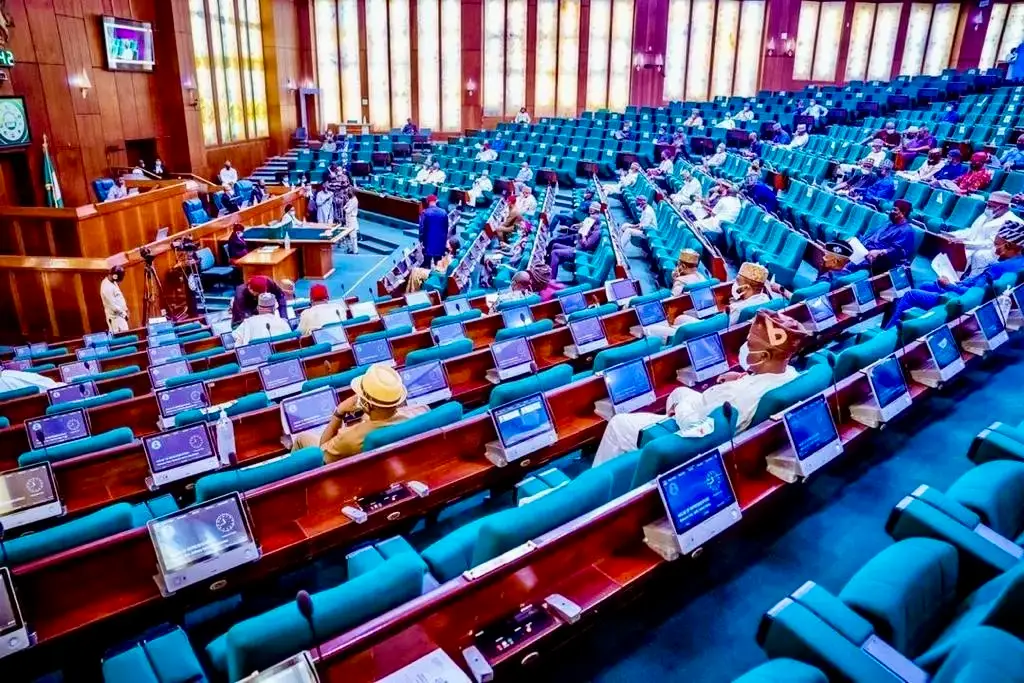
The House of Representatives in Nigeria has passed a bill in its second reading aimed at removing immunity from the Vice President, governors, and deputies, seeking to enhance accountability and combat corruption. While proponents support strengthening governance, critics fear it could lead to political manipulation and judicial partisanship.
House of Representatives Takes Bold Leap: Bill to Strip Immunity from Vice President, Governors, and Deputies Passes Second Reading
ABUJA, Nigeria — In a seismic move poised to redefine Nigeria’s constitutional landscape, the House of Representatives has passed a groundbreaking bill for its second reading that seeks to strip the Vice President, state governors, and their deputies of the immunity hitherto granted by the 1999 Constitution.
This dramatic legislative development is touted as a critical step in the nation’s battle against corruption, impunity, and misgovernance.
The proposed amendment, now one of 42 constitutional bills advancing through parliament on Wednesday—following 39 similar measures passed the previous day—has ignited intense debates among political stakeholders.
Proponents argue that by dismantling the legal shield that has often enabled public officeholders to evade prosecution, the move will pave the way for enhanced accountability and restore public trust in government institutions.
They contend that when even the highest echelons of power are not above the law, Nigeria’s democratic framework can be genuinely strengthened.
Detractors, however, warn that this sweeping change could be exploited for political vendettas, potentially turning the judiciary into an arena for partisan disputes.
Notably, this bill echoes earlier proposals, including one by Senator Ovie Omo-Agege in 2020, suggesting a long-standing frustration with the current immunity provisions.
Adding to the transformative agenda are complementary bills that propose separating the offices of the Attorney-General from those of the Minister of Justice, as well as extending citizenship rights to spouses of Nigerian women and establishing mandatory quotas for youth and women in public appointments.
As Nigeria stands at this historic crossroads, the path towards a more accountable and transparent governance system remains fraught with both promise and peril.
Further legislative scrutiny is expected as the nation watches closely, questioning whether these bold reforms will indeed curb corruption or merely become another tool in the political arsenal.