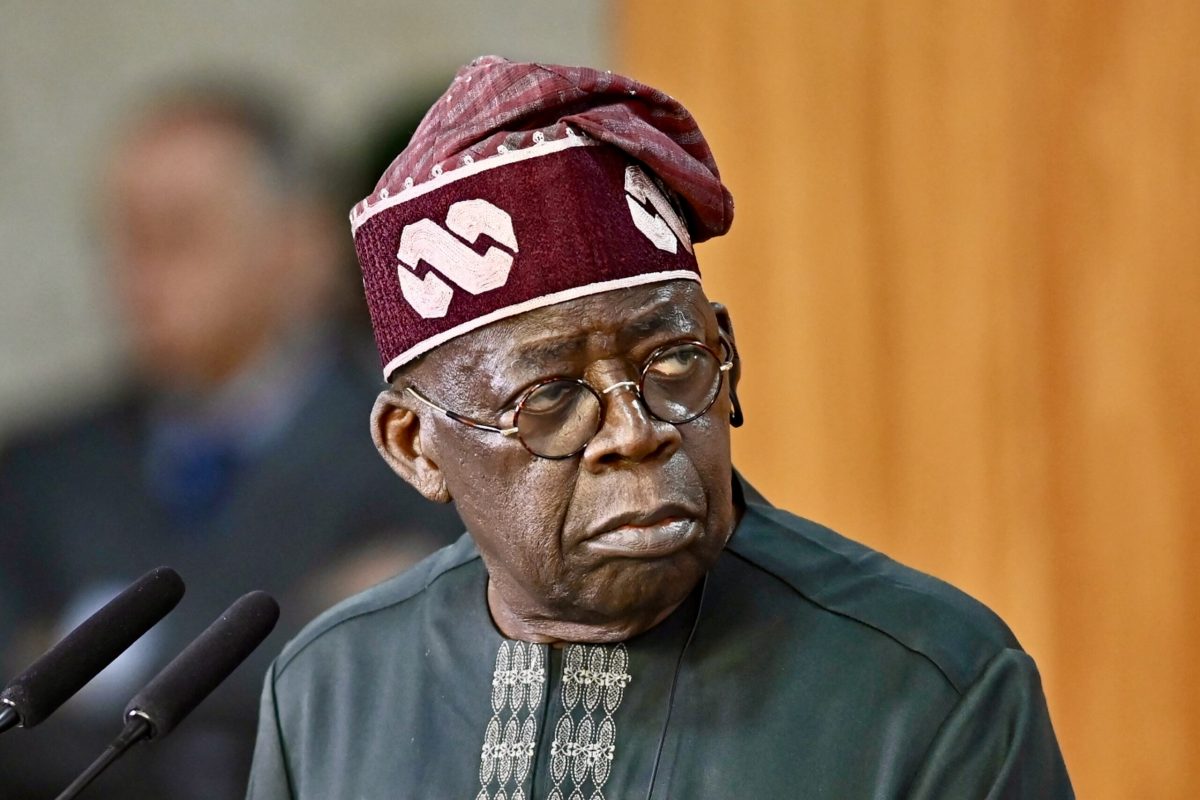
When President Bola Ahmed Tinubu announced a six month state of emergency in Rivers State on 18 March 2025 he said it was to arrest an alarming drift towards anarchy in Nigeria’s oil heartland. What followed was a half year of suspended politics, frozen allocations, litigation and a federal handover of power that solved an immediate security puzzle but left far deeper questions about democracy, accountability and the shape of power in the Niger Delta.
This report pieces together the facts, traces the cost to governance and public services, and asks what the deal struck in the corridors of power means for Rivers people long after the soundbite that declared the crisis over.
The trigger and the takeover
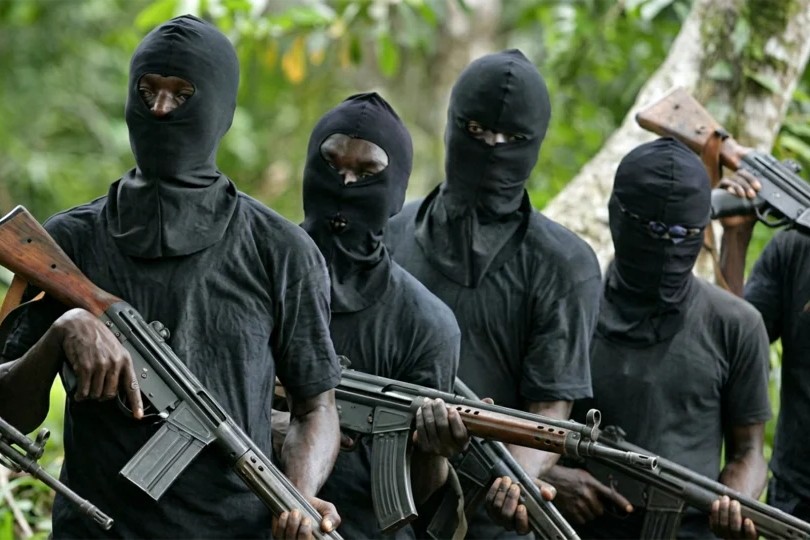
On 18 March, after a major fire and explosion on the Trans-Niger pipeline and an escalating standoff between Governor Siminalayi Fubara and elements of the Rivers State House of Assembly, Mr President moved to suspend the governor, the deputy and the state assembly and to install a retired naval officer as caretaker. The Trans-Niger blast and other acts of sabotage provided the proximate national security justification.
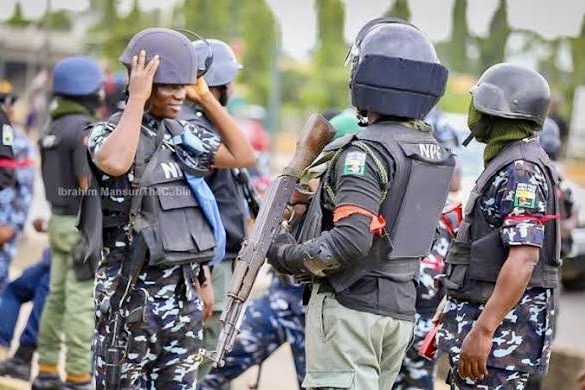
The Federal Government appointed Vice-Admiral Ibokette Ibas as the interim administrator and deployed security assets to protect infrastructure. The administration argued the extraordinary measure was both constitutional and necessary to prevent disruption to crude exports that underpin Nigeria’s foreign earnings. Critics cried foul and warned of a dangerous precedent.
A fiscal chokehold
The emergency did not occur in a vacuum. In late February the Supreme Court ordered the Central Bank and Accountant General to withhold federation allocations to Rivers until a lawfully constituted House of Assembly passed an appropriation law. The freeze left the state effectively starved of routine federal inflows and amplified the governance paralysis that followed. Scores of legal battles — reported variously as more than 40 — erupted across Abuja, Port Harcourt and Yenagoa, turning politics into litigation.
The arithmetic of withheld allocations is blunt. For an oil producing state whose recurrent and capital budgets rely heavily on FAAC disbursements and derivation components the freeze translated into stalled projects, unpaid contracts and the palpable risk that schools, clinics and road projects would be starved of funds. That was predictable. That was deliberate. The federal remedy for security risk became a fiscal sanction that increased suffering among ordinary citizens.
Fubara’s strategic silence and the broadcast that followed
Governor Fubara’s speech of 19 September 2025 was notable not only for its rhetoric of gratitude and reconciliation but for what it did not say. In a statewide broadcast he thanked President Tinubu for his “fatherly disposition” and reaffirmed personal loyalty to the president while labelling Nyesom Wike “our leader” and praising the National Assembly for brokering the peace. Fubara also explained why he did not mount a constitutional challenge to the emergency.
That choice to accept the federal intervention rather than contest it in court will be parsed by lawyers and politicians for months. It is a political calculation. It may have secured a short term return to government and protected some projects from further disruption. But it also signals how brittle institutional defences are when political bargains are struck above the heads of voters.
The choreography of reconciliation
Federal mediation — reportedly led by the President with heavy involvement from National Assembly leaders and Mr Wike — produced a public reconciliation. The rhetoric is now about “burying the hatchet” and returning to development. President Tinubu lifted the emergency 17 September, saying intelligence indicated a “groundswell of a new spirit of understanding”. The caretaker administrator was withdrawn and elected officials were set to resume duties.
But what exactly was traded in the closed rooms where reconciliation was forged remains opaque. Was the end of the emergency a genuine transformation in relationships or the outcome of a tacit bargain that preserved the political standing of national and subnational actors while sidestepping accountability for decisions that brought Rivers to its knees? The people of the state deserve an answer.
Security wins or political theatre
There is no doubt that pipeline sabotage threatens the Nigerian economy and that any credible attempt to protect export infrastructure must be taken seriously. International outlets and energy analysts documented repeated attacks and shutdowns that imperil Bonny Light exports and lower national output. Yet many observers saw the emergency as using a security problem as cover to settle political scores and to centralise control over a vital region.
The question is simple. Could security have been addressed without a wholesale suspension of elected government and the chain reaction of frozen revenues and court battles? That question matters because it goes to the heart of constitutional safeguards and the health of federalism.
The democratic deficit and the legal aftershocks
Legal experts and civil society groups warned from the start that the emergency had blurred the line between preserving order and trampling democratic rights. The Nigerian Bar Association and several legal commentators argued the declaration was open to challenge. Yet the Supreme Court’s earlier decisions on the composition of the Rivers Assembly and the freeze of allocations gave the federal government tactical leverage. The result was months of courtroom theatre and administrative limbo.
Now that the emergency has been lifted, litigation will not simply evaporate. Plaintiffs and defendants remain, and the memory of suspended self government will not be quickly forgotten. Rivers State enters a period in which rebuilding trust is as important as finishing roads.
Development promises and the ledger of neglect
Fubara appealed to Rivers citizens to judge him by projects delivered in the past two years. He pledged to work with the returned House of Assembly to restart works and to ensure projects are not starved of funds. But the ledger needs a forensic audit. Which projects were interrupted by the funding freeze? Which contracts were abandoned or retracted? Who profited during the vacuum created by regulatory uncertainty? These are not rhetorical questions. They are the sort of follow up that an investigative desk should pursue immediately.
What this means for the Niger Delta and national politics
Rivers is not an isolated case. The Niger Delta’s history of environmental damage, poverty and militia violence has long intersected with local elite competition. The federal intervention shows the centre’s willingness to use the tools of executive power in resource rich states. That will reassure some investors worried about pipeline sabotage. It will terrify others who fear that political disagreements can now be settled by suspension rather than ballot.
For the Peoples Democratic Party and for Mr Wike, the reconciliation appears to have preserved influence while exposing vulnerabilities. For Governor Fubara the price of peace included public expressions of loyalty and a choice not to litigate. For the people of Rivers the price was tangible in frozen allocations and months of uncertainty.
Accountability, transparency and the next steps
If peace is to mean more than a press release, three things must happen now.
1. A transparent financial and project audit that accounts for funds withheld and the status of capital projects during the six months of emergency. The public must know what was interrupted and who is responsible.
2. A security plan that addresses pipeline protection without permanently sidelining democratic institutions. The federal government should publish the intelligence and strategy that justified the emergency so citizens can judge whether the measure was proportionate.
3. A judicial clearing of the lingering cases and an open commission to investigate whether any abuses occurred during the emergency. Suspension of democracy must never become the easy option for resolving political disputes.
In conclusion, the televised embrace between Governor Fubara, President Tinubu and Minister Nyesom Wike will make for a tidy chapter in the political playbook. But tidy chapters get written over messy footnotes. Rivers State paid with months of uncertainty, withheld funds and a test of its democratic resilience. The broadcast speech that thanks national actors and calls for unity is a start. It is not an end.
Investigative reporters must now follow the money, the contracts, the security memos and the private conversations. The public is owed more than gratitude. It is owed verification. It is owed accountability. It is owed the restoration of institutions that cannot be so easily suspended in times of crisis.
Follow us on our broadcast channels today!
- WhatsApp: https://whatsapp.com/channel/0029VawZ8TbDDmFT1a1Syg46
- Telegram: https://t.me/atlanticpostchannel
- Facebook: https://www.messenger.com/channel/atlanticpostng