By Editor
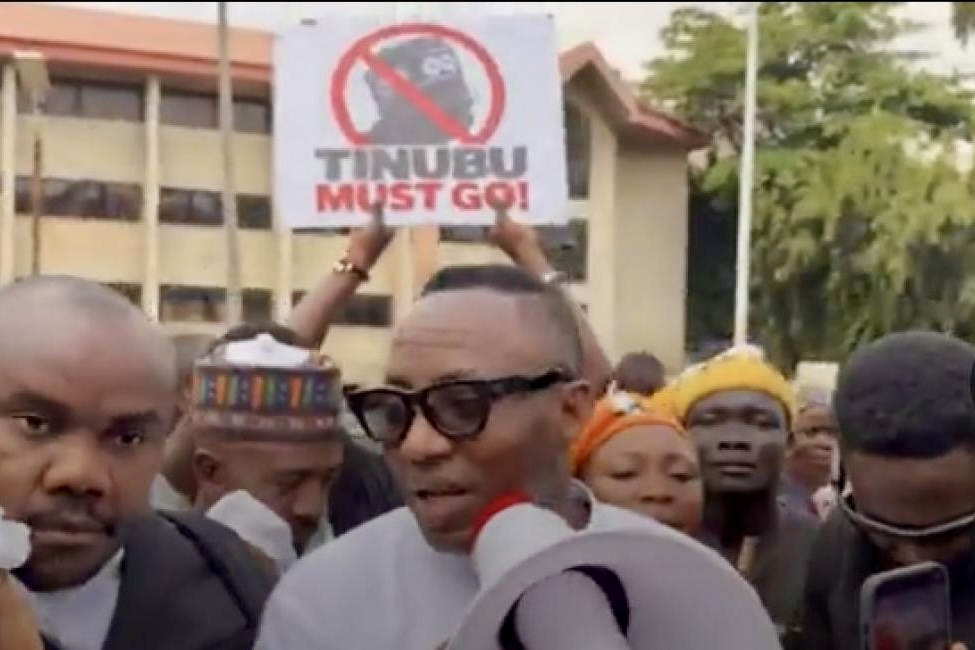
As the dust settles in the Abuja Federal High Court following the bail hearing of the 76 #EndBadGovernance protesters, an unsettling wave of statements from the Counsel to the Federal Government, Rimazonte Ezekiel, has stirred heated debate. Ezekiel’s bold assertions that some of the alleged minors arraigned are, in fact, adults with families of their own have raised eyebrows, prompted public outcry, and deepened scrutiny on Nigeria’s judicial handling of youth-led activism.

The High Stakes of Democracy in Nigeria
The #EndBadGovernance protests, a movement initially sparked by discontent over economic hardship and allegations of misgovernance, have taken a significant turn with recent legal proceedings. The court’s ruling that each of the 76 defendants is to post a bail of N10 million, totalling a staggering N760 million for the group, highlights the serious implications of their charges. This hefty bail and the conditions laid out by Justice Obiora Egwuatu suggest an intense governmental crackdown on dissent, but it’s the statements made by Rimazonte Ezekiel, counsel to the Federal Government, that have stirred intense controversy.
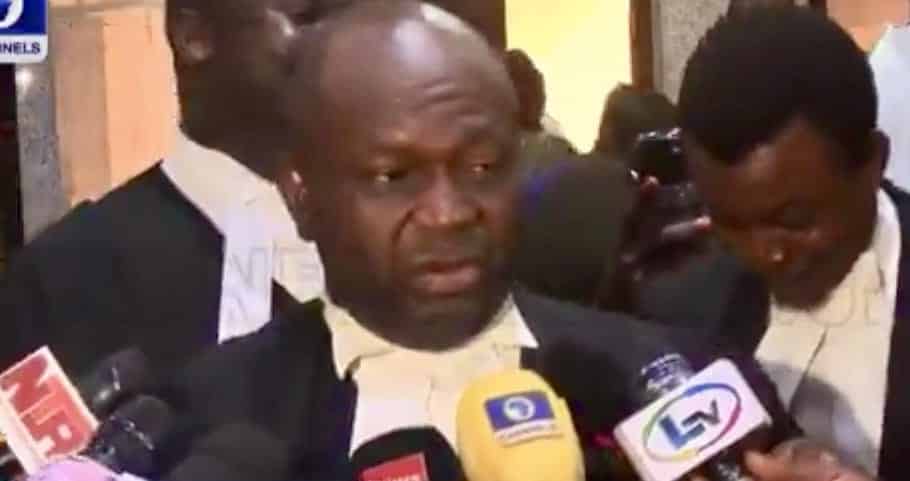
In a press briefing following the hearing, Ezekiel claimed that several of the “alleged minors” were, in fact, adults with wives and families. His comments, which included accusations that the protesters were engaging in treasonous acts such as waving foreign flags and calling for military intervention, underscore a deep mistrust between the Nigerian state and its youthful citizenry. His remarks have set off a firestorm of debate about the integrity of the judicial process, the legitimacy of state actions against protesters, and the rights of citizens in a democratic society.
A Controversial Accusation: Are These Minors Really Adults?
Ezekiel’s remarks represent an extraordinary accusation. “These boys that we brought to the court today are adults. Most of them are married men. None of them is a minor. Some of them are university graduates,” he said, dismissing the defence’s claims that some of the detainees are minors. Ezekiel further insisted that “the small kids you are seeing here today came with their parents to come and greet their loved ones,” essentially discrediting the widely reported accounts that some of the defendants are as young as 14.
The Nigerian public has responded with skepticism and outrage, with many questioning the validity and motives behind Ezekiel’s statements. Social media is rife with speculation, as citizens express frustration over what they perceive as an attempt to criminalise the youth and suppress the call for change. Critics argue that Ezekiel’s stance reflects a deeply flawed approach to addressing civic unrest and is an attempt to deflect from the underlying grievances that ignited the #EndBadGovernance movement.
The Bail Conditions: An Imposing Barrier to Freedom
The court’s bail terms are exceptionally stringent, with each defendant required to post N10 million alongside two sureties. One surety must be a Level 15 civil servant, while the other is mandated to be a parent to the defendant. Both are required to provide various forms of identification and documentation, including a letter of appointment and proof of last promotion, to ensure their status is verifiable.
These requirements raise a fundamental question: do they reflect an impartial judiciary, or are they a strategic obstacle designed to keep these protesters incarcerated? Given Nigeria’s economic climate, critics argue that such an exorbitant bail amount is financially ruinous for the average Nigerian family and, therefore, virtually unachievable. Human rights advocates contend that these bail conditions are not simply an administrative necessity but rather an indication of a system intent on discouraging further activism.
Justice Egwuatu’s ruling also stipulated that the sureties must deposit their international passports with the court, as well as provide sworn affidavits of means and recent photographs. While the judicial system might justify these requirements as measures to prevent flight risk, many are questioning the necessity of such restrictive conditions. According to the defense, these demands amount to a “de facto detention order,” hindering the protesters from rejoining their families and communities even after securing bail.
The Significance of Ezekiel’s Claims
Ezekiel’s assertions, if proven to be unfounded, could have severe repercussions for the public’s perception of the state’s legal and ethical stance. His statements suggesting that these alleged minors are “adults with wives” imply an underlying strategy of casting doubt on the innocence of young Nigerians involved in political protests. By characterising them as adults allegedly inciting rebellion with foreign flags, Ezekiel paints a picture of premeditated and calculated dissent, rather than the frustration of a disenfranchised youth.
The claim that protesters were “calling on the military to remove our president” raises concerns about the state’s narrative surrounding this movement. Allegations of foreign influence and treasonous intent hint at an effort to delegitimise the protests by framing them as a threat to national security rather than expressions of legitimate grievances. This narrative shift has troubling implications for freedom of expression in Nigeria, particularly as it aligns with an ongoing crackdown on youth-led movements demanding accountability and transparency from those in power.
Public Outcry: A Nation Divided
Following Ezekiel’s statements, Nigerians have taken to social media platforms, such as Twitter and Facebook, to voice their dismay. The general sentiment is one of disbelief and anger, with many questioning whether the government’s approach to the protests aligns with the democratic values it claims to uphold. “If young Nigerians can’t voice their dissatisfaction without fear of incarceration or being labeled as ‘adults with foreign allegiances,’ then what future do we have as a democratic nation?” wrote one user on Twitter.
The implications of labelling these young protesters as adults are multifold. For one, it could mean harsher sentencing if they are convicted, given that minors in Nigeria are afforded specific legal protections. Furthermore, such allegations seek to undermine the credibility of the defense and the broader #EndBadGovernance movement, potentially alienating supporters and demoralising activists.
Civil rights organisations have also expressed alarm over Ezekiel’s claims, with Amnesty International Nigeria issuing a statement condemning what it describes as an “egregious distortion of facts” aimed at discrediting Nigeria’s youth. “If these allegations by the state’s counsel are merely a means to deter dissent, then we are witnessing a grave breach of trust in the judicial process,” the organisation’s spokesperson stated.
A Larger Question: The Role of Foreign Influence in Nigerian Protests
Ezekiel’s remarks about foreign flags and alleged appeals to the military for intervention suggest a belief within the government that the #EndBadGovernance movement is being influenced by foreign actors. He specifically mentioned Russian flags, insinuating that these protests might not be wholly indigenous in their motivations. However, experts in international relations have pointed out that such claims lack substantive evidence and are likely a rhetorical strategy to justify harsh penalties.
The insinuation of foreign involvement has historically been a tactic used by governments worldwide to delegitimise domestic opposition. In Nigeria’s case, the use of such a narrative could serve to strengthen the government’s position among conservative factions wary of foreign influence. Nonetheless, for many Nigerians, these claims ring hollow, particularly as young people in the country face numerous socio-economic challenges that are more than sufficient motivation for civil dissent.
The Judiciary at a Crossroads: Upholding Rights or Enforcing Silence?
Justice Egwuatu’s ruling and Ezekiel’s statements put Nigeria’s judiciary in a precarious position. The judiciary is tasked with balancing the protection of individual rights with the maintenance of state security, yet the current proceedings raise concerns about an erosion of civil liberties under the guise of legal oversight. As the January hearing date approaches, the Nigerian judiciary faces mounting pressure to demonstrate its commitment to impartiality and due process.
If the court ultimately upholds these stringent bail conditions, it may embolden future crackdowns on youth activism, sending a clear message that dissent comes with severe repercussions. Alternatively, a reduction in bail or an exoneration of the defendants could symbolise a significant victory for human rights, setting a precedent that reinforces the judiciary’s role as an independent check on executive overreach.
The Path Forward: Will Nigeria’s Youth Be Heard?
The #EndBadGovernance movement reflects the growing dissatisfaction among Nigerian youth with a system they perceive as indifferent to their plight. The ongoing economic hardships, coupled with inadequate infrastructure, healthcare, and employment opportunities, have fuelled an era of civic consciousness and political engagement that Nigeria has not seen in decades. By treating these young activists as potential insurgents, the state risks further alienating a generation that is already disillusioned with governance.
As Justice Egwuatu prepares to reconvene for the substantive hearing, the nation will be watching closely. The decisions made in this case could resonate across Nigeria’s political landscape, influencing the next generation’s willingness to engage in political discourse and protest. The treatment of these protesters, especially given Ezekiel’s controversial statements, will likely shape the future of civil rights in Nigeria, challenging both the state’s narrative on national security and the judiciary’s role in safeguarding democracy.
Conclusion: A Defining Moment for Nigerian Democracy
The #EndBadGovernance protests, and the legal battle that has ensued, underscore a pivotal moment in Nigeria’s democratic journey. The allegations from Ezekiel — that some of these protesters are not minors but married adults with foreign allegiances — mark an alarming shift in the state’s stance towards youth activism. Whether his claims hold any truth or are a calculated attempt to sway public opinion, this case has laid bare the complex tensions between the government and the Nigerian youth.
As the next court date looms, one thing remains clear: this case will set a defining precedent.
With reporting from Osaigbovo Okungbowa, Atlantic Post Senior Political Correspondent