By Editor
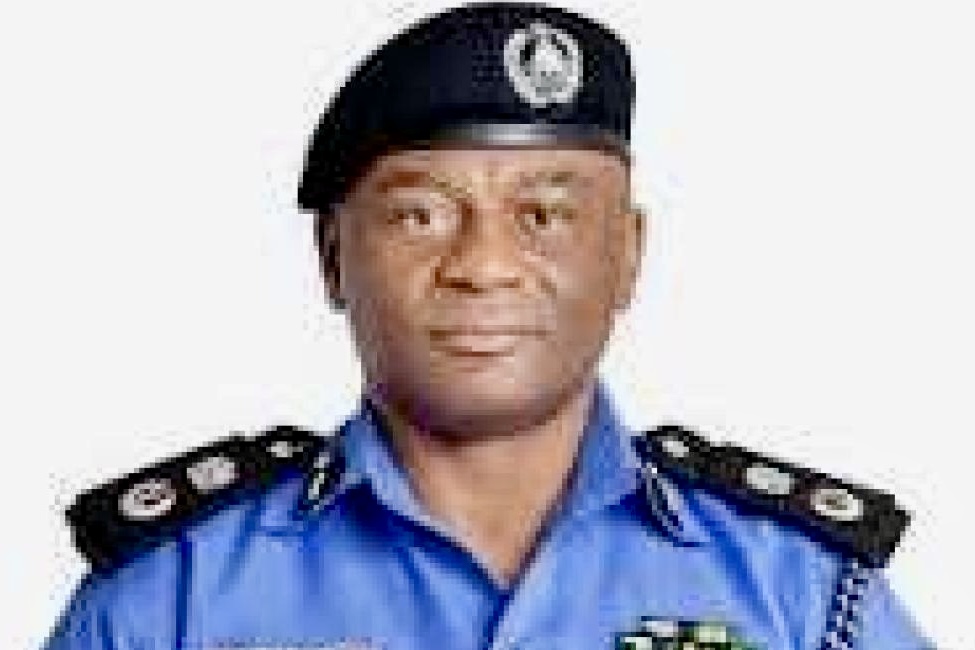
The recent resignation of the Director-General of the Department of State Services (DSS), Yusuf Bichi, and the Director-General of the National Intelligence Agency (NIA), Ahmed Abubakar, has sent shockwaves through Nigeria’s security and political landscapes. These high-profile resignations, linked to the violent #EndBadGovernance protests and the controversial seizure of Nigerian presidential aircraft in France, have exposed the deep-rooted flaws within Nigeria’s intelligence apparatus. As the dust settles, the nation is left grappling with questions about the competence of its security chiefs and the internal conflicts that may have compromised national security.

The #EndBadGovernance Protests: A Catalyst for Change
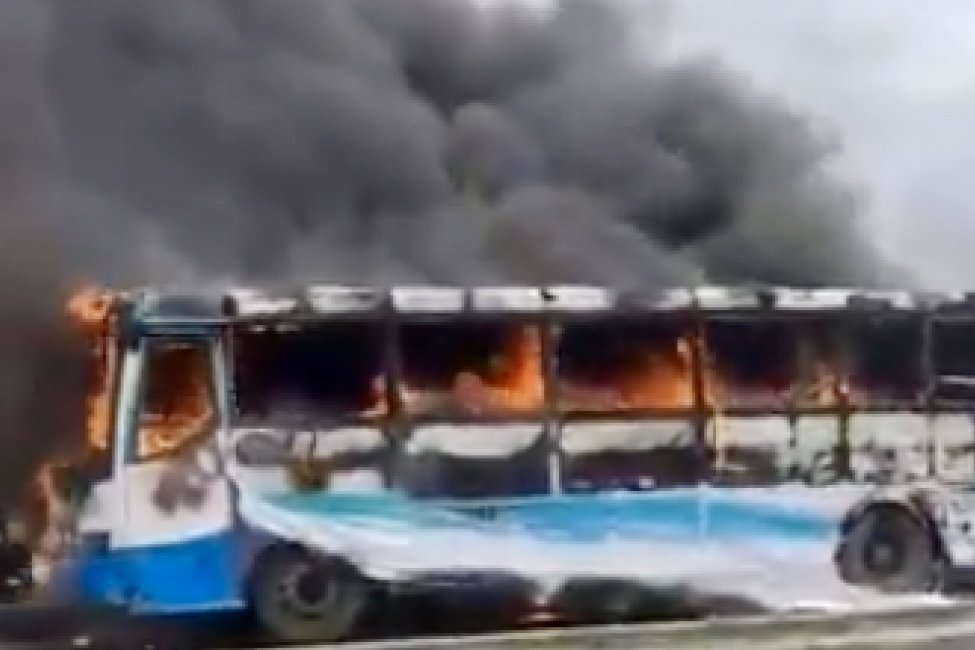
The #EndBadGovernance protests that erupted on August 1st in various northern states were not just a response to the removal of fuel subsidies, electricity tariff hikes, and the skyrocketing cost of living—they were a cry for accountability and justice. What began as peaceful demonstrations quickly escalated into violent riots in Kano, Gombe, Yobe, Borno, and Bauchi states, leaving a trail of destruction in their wake. The inability of the DSS and NIA to predict and contain this unrest has raised serious questions about the effectiveness of Nigeria’s intelligence agencies.
President Bola Tinubu and National Security Adviser (NSA) Nuhu Ribadu were reportedly dismayed by the apparent intelligence failures that allowed the protests to spiral out of control. Sources within the Presidency revealed that the violent nature of the protests, particularly in the northern states, and the subsequent international embarrassment of the presidential aircraft seizure, were the final straws that led to the resignation of Bichi and Abubakar.
A Closer Look at the Intelligence Failures
The Department of State Services and the National Intelligence Agency are tasked with safeguarding Nigeria’s internal and external security, respectively. However, the events of August 2024 have exposed glaring deficiencies in their operations.
DSS: Caught Off-Guard by Domestic Unrest
The DSS, under Bichi’s leadership, was unable to foresee the scale and intensity of the #EndBadGovernance protests. Despite the growing discontent across the country, particularly in the northern regions, the DSS failed to provide the necessary intelligence to prevent the violence. This oversight was particularly damning in Kano State, Bichi’s home state, where the protests were most destructive. The failure to anticipate and mitigate the unrest has been widely criticized as a severe lapse in intelligence gathering and operational preparedness.
NIA: A Blunder on the International Stage
Meanwhile, the National Intelligence Agency, led by Ahmed Abubakar, faced its own crisis with the seizure of three Nigerian presidential jets by a Chinese company, Zhongshan Fucheng Industrial Investment Co. Limited, in France. This incident, which stemmed from a legal dispute involving the Ogun State Government, was a significant embarrassment for the Nigerian government on the international stage. The NIA’s failure to anticipate and prevent this seizure was seen as a major intelligence blunder, further eroding confidence in Nigeria’s security apparatus.
Internal Conflicts and Power Struggles: The Rift Between Bichi and Ribadu
Beyond the intelligence failures, the resignation of Yusuf Bichi has also brought to light the internal conflicts that plagued the DSS under his tenure. Sources close to the matter have disclosed that Bichi and NSA Nuhu Ribadu had been engaged in a protracted power struggle that significantly impacted the agency’s effectiveness.
This conflict reportedly reached a boiling point in the lead-up to the #EndBadGovernance protests, with Bichi allegedly sidelined from key security discussions. The inability of the DSS to manage the protests effectively was seen by many as a consequence of this internal discord. When the protests turned violent, it provided the Presidency with the perfect opportunity to demand Bichi’s resignation, citing his failure to maintain national security.
Why DSS Officers Celebrated Bichi’s Exit
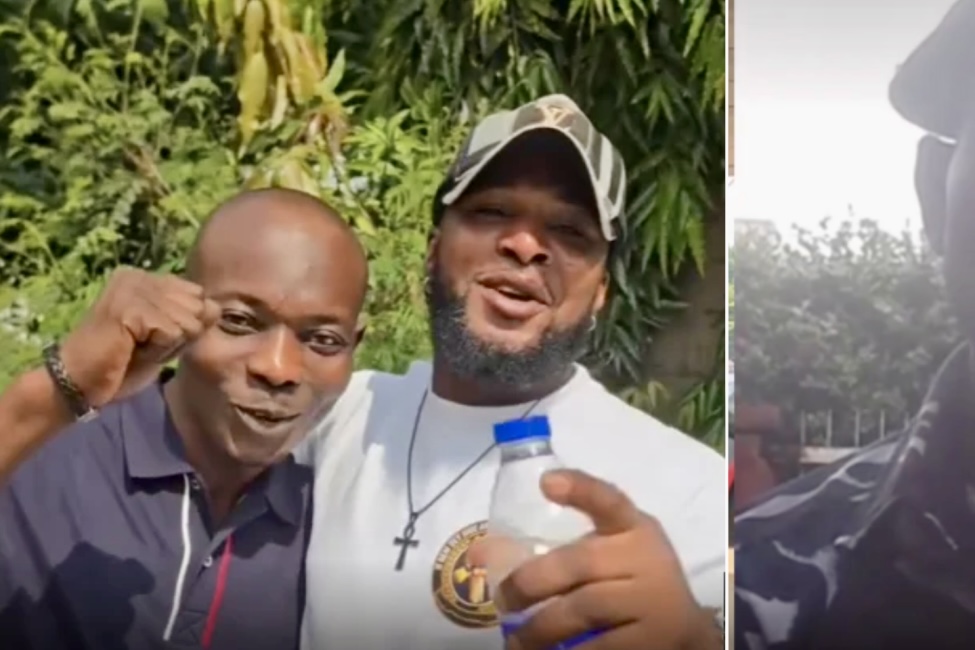
The resignation of Yusuf Bichi was met with an unusual response from within the DSS—celebrations. Videos surfaced online showing DSS officers purportedly rejoicing over Bichi’s departure, a reaction that has sparked widespread speculation about the internal dynamics of the agency during his tenure.
Allegations of Unprofessionalism and Nepotism
Several DSS officers, speaking anonymously, have painted a grim picture of Bichi’s leadership. Allegations of unprofessionalism, nepotism, and undue interference by Bichi’s family members have emerged, suggesting that his tenure was marred by significant ethical and operational issues.
One of the most damning allegations is that Bichi allowed his wife and son to interfere in the agency’s operations, leading to widespread dissatisfaction among DSS personnel. His wife, in particular, was accused of abusing her influence, with reports of her slapping a DSS director in a northern state and engaging in other unprofessional conduct. These allegations have been corroborated by multiple sources within the agency, who described Bichi’s regime as a “punishment” for DSS officers.
Recruitment and Promotion Scandals
Bichi’s recruitment practices have also come under intense scrutiny. Officers have accused him of nepotism, alleging that his recruitment drives were arbitrary and heavily biased towards candidates from northern Nigeria. Reports suggest that during his first recruitment in 2019, up to 450 individuals from Bichi Local Government Area in Kano were recruited, a number far exceeding the usual intake for the DSS. This lopsided recruitment process reportedly continued throughout his tenure, leading to a lack of diversity within the agency’s ranks.
Furthermore, Bichi is accused of stifling the career advancement of officers by extending the service years of those who were due to retire. This practice, which has been described as a form of patronage, allegedly prevented many qualified officers from rising through the ranks, leading to widespread frustration and discontent within the DSS.
Public Perception and Social Media Backlash
The public reaction to Bichi’s resignation has been equally divided, with many Nigerians taking to social media to voice their opinions on the former DSS boss. On X (formerly Twitter), the discourse has been particularly heated, with users criticising Bichi for allowing his family to wield undue influence within the DSS.
Jafaar Jafaar, the publisher of Daily Nigerian, was particularly scathing in his assessment of Bichi’s tenure, accusing him of turning the DSS into a “graveyard of career aspirations.” Jafaar’s comments have resonated with many Nigerians who see Bichi’s departure as an opportunity for much-needed reform within the agency.
A Troubled Legacy: Controversial Operations and Human Rights Violations
Bichi’s tenure as DSS DG was not without its controversies. The agency’s involvement in several high-profile arrests and operations, many of which were criticized for violating human rights, has left a troubling legacy.
The Case of Godwin Emefiele
One of the most controversial incidents during Bichi’s tenure was the arrest and detention of the former Central Bank Governor, Godwin Emefiele. Emefiele was arrested in June 2023, and despite a court order granting him bail, the DSS re-arrested him in a brazen move that shocked many. The agency’s actions, which included assaulting a prison official in the process, were widely condemned as an abuse of power.
The Sowore Saga
Another high-profile case involved the arrest of Omoyele Sowore, a former presidential candidate and activist, who was detained just days before he was due to lead a protest against the government. Sowore’s arrest and subsequent re-arraignment drew international attention and criticism, further tarnishing the image of the DSS under Bichi’s leadership.
The Hanan Buhari SIM Card Scandal
In another bizarre incident, the DSS detained a Nigerian citizen, Anthony Okolie, for purchasing a SIM card that had previously been used and discarded by Hanan Buhari, the daughter of former President Muhammadu Buhari. Okolie was held for 10 weeks without charge, sparking outrage and calls for accountability.
The Road Ahead: A Call for Reform
With the resignations of Yusuf Bichi and Ahmed Abubakar, the focus now shifts to the future of Nigeria’s intelligence agencies. The failures that led to their departure have exposed the urgent need for comprehensive reform within both the DSS and NIA.
Restoring Confidence in Intelligence Gathering
For Nigeria to effectively address its security challenges, it is imperative that the DSS and NIA undergo significant restructuring. This includes not only addressing the internal conflicts and power struggles that have plagued these agencies but also ensuring that intelligence gathering and analysis are conducted with the highest level of professionalism and integrity.
Strengthening Oversight and Accountability
One of the key takeaways from this episode is the need for greater oversight and accountability within Nigeria’s security agencies. The allegations of nepotism, unprofessionalism, and human rights violations under Bichi’s leadership underscore the importance of having robust mechanisms in place to prevent the abuse of power.
Conclusion: A Watershed Moment for Nigeria’s Security Apparatus
The events surrounding the #EndBadGovernance protests and the resignation of Yusuf Bichi and Ahmed Abubakar mark a critical juncture for Nigeria’s security apparatus. As the nation moves forward, it is essential that the lessons learned from this episode are used to build a more effective and accountable intelligence community—one that is capable of protecting the nation’s security interests both at home and abroad.
The road to reform will not be easy, but it is a journey that Nigeria must undertake if it is to restore confidence in its security agencies and ensure that they are able to meet the challenges of the future.
With report by Suleiman Adamu, Senior National Security/Defence Correspondent, Atlantic Post.