By Editor
Edo State in Shock as CNG Explosion at NIPCO Station Leaves Three Severely Injured—Alleged Safety Violations Under Scrutiny
BENIN CITY, Edo State — Nigeria’s energy transition toward cleaner alternatives has been met with enthusiasm but also with rising concern. A tragic and avoidable catastrophe unfolded on Wednesday, October 16, 2024, at the NIPCO CNG filling station in Aduwawa, Benin, Edo State. What should have been an ordinary refueling process turned into a nightmare, leaving three people severely injured and shaking public confidence in the safety of Compressed Natural Gas (CNG) infrastructure in Nigeria. This incident has triggered heated debates, exposing glaring gaps in the regulation of CNG conversion, and raises critical questions about the nation’s ability to ensure public safety while expanding into this new energy frontier.
This report takes a critical look at the Edo explosion, digging into the events leading up to the blast, the safety lapses that may have contributed to the disaster, and the broader implications for Nigeria’s ambitious energy policies. The piece will examine the roles of government agencies, the CNG industry, and private players in maintaining—or failing to maintain—safety standards in the drive to adopt cleaner energy sources.
The Incident: An Ordinary Day Turns Tragic at the NIPCO Station
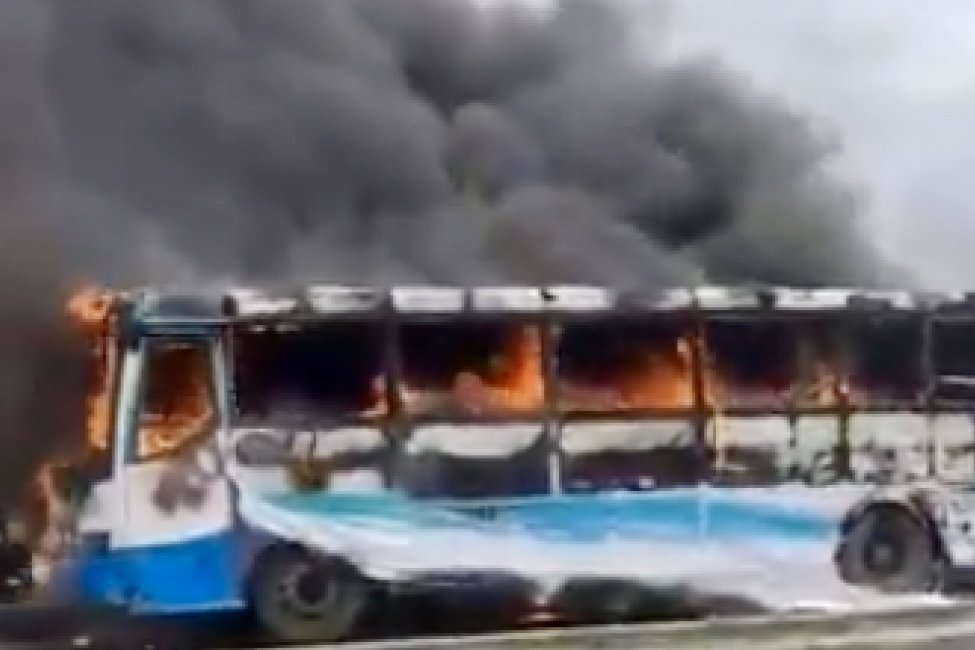
It was a regular day at the NIPCO CNG filling station in Aduwawa, Benin City, a place where motorists refuel their vehicles amid Nigeria’s growing adoption of CNG technology. But around midday, a horrific explosion ripped through the station, leaving three people critically injured. Among them was a motorist whose eye injury was severe enough to require urgent medical attention. Eyewitnesses described scenes of panic and chaos as onlookers and staff scrambled to rescue the injured before paramedics arrived.
Speaking to The Punch, an anonymous station attendant recounted the moment of horror: “The explosion occurred while vehicles were queuing to refill their cylinders at the station. The vehicle being attended to suddenly exploded. One motorist suffered an eye injury, a woman’s stomach was torn open, and another person’s foot was amputated from the impact. They are all at the University of Benin Teaching Hospital (UBTH) receiving treatment, and we hope none of them will lose their lives.” The gruesome nature of the injuries has sent shockwaves through the community.
Two of the victims, a woman whose stomach was ripped open and another individual whose foot was amputated as a result of the blast, are in critical condition. They are currently receiving treatment at UBTH in Ugbowo, where the medical staff are fighting to save their lives. The explosion was so violent that even the immediate rescue response could not prevent the catastrophic injuries sustained by these individuals.
The Catalyst: A Fabricated CNG Cylinder, an Accident Waiting to Happen
Early investigations have revealed that this devastating explosion may have been entirely preventable. According to a source close to the investigation, the blast was traced to a critical failure in a CNG cylinder that had been illegally fabricated by a welder, bypassing proper regulatory approval. The welder, who has reportedly turned himself in to the authorities, modified the vehicle’s CNG cylinder without adhering to safety guidelines that govern the construction and maintenance of such high-pressure systems.
In the wake of the explosion, many are questioning how such a glaring safety breach could have occurred at a public refueling station. Eyewitness reports suggest that there had been little to no visible inspection of the CNG cylinders prior to the explosion, raising concerns about the laxity in enforcing safety protocols at refueling stations across the country.
A technician inspecting CNG cylinders at the scene afterward remarked that the station lacked adequate safety measures to ensure that only vehicles with certified CNG systems were permitted to refuel. “It is common practice for some stations to allow refueling without thoroughly inspecting the vehicles’ CNG systems. This incident could have been avoided if stringent checks were in place,” the technician stated.
Government and Regulatory Failures: Is Nigeria Prepared for CNG?
This incident has underscored the systemic failures of regulatory bodies to adequately oversee the safety of Nigeria’s burgeoning CNG sector. In its rush to push for alternative energy sources, it appears that both the government and industry players have neglected the critical aspect of safety.
The Presidential CNG Initiative, an agency tasked with overseeing the implementation of CNG as a mainstream alternative fuel in Nigeria, was quick to issue a statement on social media acknowledging the incident. However, their words provided little reassurance to the public. “We commiserate with those injured and are thankful that no lives were lost. Safe handling of hydrocarbons is critical to their safe use,” the Initiative tweeted.
The statement also confirmed that an illegally modified vehicle was at the heart of the explosion. This raises significant concerns about how many more illegal conversions are operating on Nigerian roads today, creating a ticking time bomb in the CNG sector. A source within the Standards Organisation of Nigeria (SON) revealed that the agency had been aware of unauthorized modifications being carried out across the country, but enforcement of regulations has been minimal at best.
One question looms large in the aftermath of this tragedy: Has the Nigerian government done enough to prepare the country for widespread CNG adoption? There has been much fanfare surrounding Nigeria’s energy transition, with CNG hailed as the cleaner, cheaper alternative to petrol and diesel. However, incidents like this expose the fragility of the infrastructure that is supposed to support this transition.
CNG Safety in Nigeria: The Gaps That Could Lead to More Disasters
The CNG explosion in Edo State is not an isolated incident. Across the country, there have been several reports of CNG-related accidents, many of which have gone unreported by the media. According to an investigative report by The Atlantic Post, multiple CNG-powered vehicles have experienced mechanical failures linked to improper conversion practices. In some cases, entire refueling stations operate with little to no oversight from regulatory agencies, endangering the lives of motorists and staff alike.
The Nigerian Midstream and Downstream Petroleum Regulatory Authority (NMDPRA), which is supposed to oversee CNG regulations, has been criticized for its failure to clamp down on illegal conversions. Critics argue that the NMDPRA is underfunded and understaffed, making it nearly impossible to monitor all the CNG conversion workshops and refueling stations in Nigeria. “The regulatory authorities are more reactive than proactive when it comes to safety in the CNG sector,” said one industry insider, who asked to remain anonymous. “It’s only when accidents like this occur that they come out and pretend to take action.”
The Standards Organisation of Nigeria (SON), along with the NMDPRA and the Nigerian Automotive Design and Development Council (NADDC), has announced the imminent launch of the Nigeria Gas Vehicle Monitoring System (NGVMS), a platform designed to track and certify CNG conversions across the country. While this is a step in the right direction, many question whether it will be enough to stem the tide of illegal modifications that continue to plague the industry.
The Nigerian Public Reacts: Growing Distrust in CNG Infrastructure
Public reaction to the explosion has been swift and filled with outrage. Many Nigerians, already skeptical about the government’s energy policies, are now openly questioning whether the country is truly ready to transition to CNG. Social media has been ablaze with condemnation of both the station involved in the explosion and the regulatory authorities responsible for oversight.
One particularly scathing post from a popular Nigerian influencer read, “This is what happens when you push for a transition without building the proper infrastructure first. How many more lives need to be endangered before the government wakes up and takes action?” The post has since gone viral, amassing thousands of retweets and comments from angry Nigerians who share the same sentiment.
Local community leaders in Edo State have also called for an immediate investigation into the safety practices at the NIPCO filling station, with some even demanding that the station be shut down until it can prove that it meets all safety standards. “This incident should be a wake-up call to the government and to NIPCO. Safety cannot be compromised, and we demand accountability,” said one community leader in an interview with The Atlantic Post.
Who Is Responsible? The Legal and Ethical Implications
As the dust settles from the explosion, the legal ramifications are beginning to take shape. The welder responsible for fabricating the faulty cylinder has turned himself in to the police, but many are wondering whether he is the only one who should bear the blame for this catastrophe. Legal experts suggest that the station management could also face charges for failing to ensure that only certified vehicles were allowed to refuel.
“There is a clear case of negligence here,” said Barrister Chinedu Ogbe, a lawyer specializing in industrial accidents. “The station had a duty of care to its customers and to the public to ensure that the vehicles it serviced met all safety regulations. Failure to do so makes them complicit in this tragedy.”
The Public Relations Officer of UBTH, Joshua Uwaila, confirmed that the injured individuals are receiving the best possible care, but legal action could still be pursued by the victims’ families, particularly if negligence on the part of the station or regulatory bodies is proven. The Nigerian public, however, remains skeptical that justice will be served.
Conclusion: A Looming Crisis in Nigeria’s CNG Sector
As Nigeria continues to push for a transition to cleaner energy, the Edo explosion is a stark reminder of the dangers that come with improper regulation and oversight. While CNG offers numerous environmental and economic benefits, these advantages mean little if public safety is compromised in the process. This incident should serve as a call to action for the government, the CNG industry, and regulatory bodies to tighten safety standards, enforce compliance, and ensure that Nigerians can embrace CNG without fear of catastrophe.
This incident highlights a brewing crisis that may endanger Nigeria’s ambitious energy transition goals if not addressed immediately. The NIPCO explosion has already shaken public confidence, and many are questioning the sustainability of CNG adoption without a robust safety framework.
The Broader Implications: CNG and Nigeria’s Energy Future
Nigeria’s move towards Compressed Natural Gas (CNG) is a crucial component of its long-term energy strategy, particularly in light of the global shift towards greener fuels. With the country’s natural gas reserves estimated at over 200 trillion cubic feet, CNG has been championed as the next frontier for Nigeria’s energy security and environmental sustainability. The government has incentivized the conversion of vehicles to CNG, offered subsidies, and promised a reduction in fuel costs for consumers—positioning CNG as the key to reducing Nigeria’s dependency on petrol.
However, this optimistic outlook is now being overshadowed by the harsh realities of inadequate safety infrastructure and a fragmented regulatory landscape. The explosion at the NIPCO station serves as a sobering warning that Nigeria may be biting off more than it can chew. The expansion of CNG, while environmentally sound, is vulnerable to widespread malpractices and infrastructural shortcomings. Unless these are swiftly corrected, more such incidents could occur, leading to loss of life, property, and ultimately, the failure of the CNG adoption strategy itself.
CNG Adoption: A Risky Gamble Without Regulatory Rigor
In the rush to promote CNG as a cleaner alternative, it is clear that safety protocols have been deprioritized or outright neglected. Experts in Nigeria’s energy sector are warning that the explosion in Edo is just the tip of the iceberg. Dr. Osagie Okeke, an energy consultant based in Lagos, expressed his frustration during a media interview:
“Nigeria’s CNG strategy, while theoretically sound, is being implemented haphazardly. We’re seeing more illegal modifications, shortcuts in station setup, and regulatory bodies that are too under-resourced to enforce basic safety measures. If this continues unchecked, the CNG initiative could become a national tragedy.”
The CNG initiative, which is heavily backed by the Federal Government, is meant to lower the cost of fuel for Nigerians amidst soaring petrol prices. However, the risks associated with inadequate CNG infrastructure could derail these plans. The fear now is that unless swift reforms are made, the public could lose trust in CNG as a safe, viable fuel option—an outcome that would severely undermine Nigeria’s overall energy policy.
Call to Action: Urgent Reforms Needed to Prevent Future Disasters
Public and industry stakeholders are now calling for urgent reforms to address the dangers posed by CNG systems, particularly those that have been illegally modified. The Nigerian government, in partnership with relevant regulatory bodies, must undertake an immediate and comprehensive review of all existing CNG stations and vehicles. The NMDPRA, SON, and the Presidential CNG Initiative must collaborate to create a more stringent regulatory framework that not only ensures the safe operation of CNG stations but also cracks down on the illegal conversion of vehicles.
Key steps that experts are recommending include:
- Strengthening Regulatory Enforcement: The NMDPRA and SON must be empowered to carry out regular, unannounced inspections of CNG refueling stations and CNG-converted vehicles. Any station or individual found violating safety protocols should face immediate penalties, including revocation of licenses.
- Public Awareness Campaigns: There is a need for aggressive public awareness campaigns to educate the general populace on the dangers of unauthorized CNG conversions. This campaign should also focus on educating motorists on how to identify safe and certified CNG stations and conversion workshops.
- Incentivizing Compliance: The government should consider offering financial incentives to CNG stations that invest in improved safety measures. At the same time, they should implement steep fines and legal consequences for those who flout safety regulations.
- Setting Up a National CNG Safety Task Force: A dedicated task force with representatives from NMDPRA, SON, and the Nigerian Automotive Design and Development Council (NADDC) should be established to oversee the safety of CNG adoption across the country. The task force would have the authority to shut down stations and workshops that are found to be in violation of the law.
- Upgrading Infrastructure: Nigeria must invest in modern CNG infrastructure that meets international safety standards. This includes upgrading refueling stations with automated safety mechanisms and training staff in best practices for CNG handling and emergency response.
Voices of the Victims: The Human Cost of Negligence
As Nigeria grapples with the aftermath of the Edo explosion, it is crucial to remember that behind every statistic, there are real people whose lives have been irrevocably altered by this tragedy. One of the victims’ relatives, speaking to The Atlantic Post, expressed both anger and anguish:
“My sister was just going about her business when this happened. Now she’s in the hospital, fighting for her life because someone somewhere thought it was okay to cut corners. This shouldn’t have happened, and it cannot be allowed to happen again.”
The victims, now receiving treatment in Benin, will face long and difficult roads to recovery. Their families are left wondering how a regular trip to refuel a vehicle could turn into a life-threatening event. The sense of betrayal is palpable, and it is a sentiment shared by many Nigerians who have lost trust in the very systems designed to protect them.
The Government’s Response: Will Real Change Happen?
In the immediate aftermath of the explosion, government officials have been scrambling to reassure the public that action will be taken to prevent future disasters. However, Nigerians have grown accustomed to hearing such promises in the wake of tragedies, only to see little follow-through in the months that follow.
Energy Minister Timipre Sylva, in a press conference held hours after the explosion, pledged that his ministry would work closely with regulatory bodies to “ensure that this never happens again.” He also announced that a full investigation would be launched to determine the specific causes of the explosion and to hold those responsible accountable.
While these words may offer some solace, they do little to address the deep-rooted issues that have plagued Nigeria’s CNG sector for years. The real test will be whether these promises are translated into concrete reforms, or whether the public will be left waiting for the next disaster to strike.
Conclusion: Nigeria at a Crossroads—Safety or Energy Crisis?
The tragic CNG explosion in Edo is not just an isolated incident; it is a symptom of a much larger problem facing Nigeria as it tries to navigate the complex terrain of energy transition. The push for CNG, while commendable, has exposed critical weaknesses in Nigeria’s safety regulations and infrastructure. If these issues are not addressed, the country risks turning its energy revolution into a catastrophe that could cost lives, livelihoods, and the trust of the Nigerian people.
As the victims of the NIPCO explosion fight for survival in their hospital beds, the Nigerian government must take this moment to reflect on the broader implications of its energy policies. The time for half-measures and empty promises is over. Real, meaningful change is needed to ensure that CNG remains a viable and safe alternative for Nigerians—and that the safety of the public is not sacrificed in the rush to modernize.