ABEOKUTA, Ogun State — In an incident that has sent shockwaves across Nigeria, a 35-acre cassava farm in Adao Village, near Abeokuta, Ogun State, was set ablaze by cattle herders, causing an estimated N27.3m worth of damage.
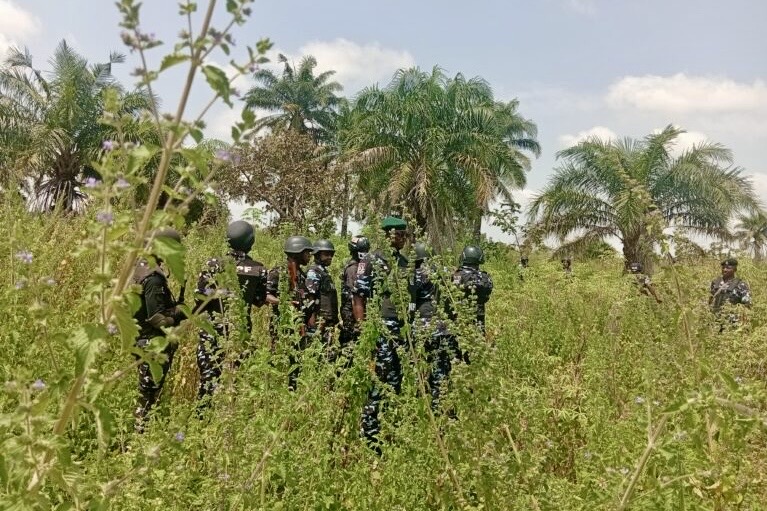
As reported by the Ogun State Police Command, the arson took place on the afternoon of 19 February 2025, when Mr Ogunbayo Adewale of Raka Village discovered the devastation at approximately 1640 hours.
This report delves into the unfolding investigation, the implications for national security, and the broader historical and socio-political context that continues to fuel such rural conflicts.
The Incident: A Calculated Act of Sabotage
The attack on Mr Adewale’s cassava farmland was not a mere act of random violence. According to the statement released by CSP Omolola Odutola, cattle herders were seen grazing on the scorched land shortly after the arson.
The complainant’s courageous act of apprehending one cow as evidence has provided the authorities with a tangible lead. This strategic move by the perpetrators—commanding their cattle to flee at the sight of their victim—reveals a disturbing level of premeditation and an apparent intent to intimidate local farmers.
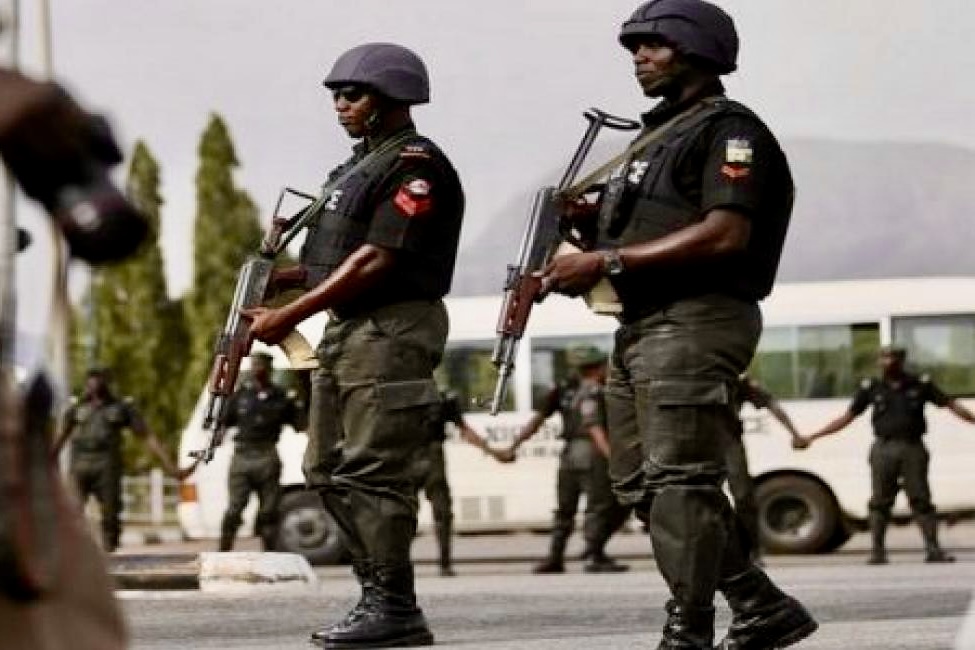
Grassroots policing strategies have since been deployed by the Divisional Police Officer of FUNAAB Harmony to quell potential tensions and forestall any escalation into tribal conflict.
The swift response by law enforcement underscores the critical need for immediate intervention in a nation where communal disputes often spiral out of control.
The Investigation and the Role of Law Enforcement
The Ogun State Police Command has promptly transferred the case to its surveillance section to ensure an exhaustive, impartial investigation. With preliminary enquiries already leading to the identification of the cow’s owner, the authorities are under increasing pressure to deliver swift justice.
This case is particularly significant given the historical backdrop of similar incidents that have intermittently disrupted the peace in Nigeria’s rural heartlands.
Despite these prompt measures, the investigation raises several concerns about the overall state of law enforcement in regions where the confluence of cattle herder and farmer interests often leads to violent confrontations.
The incident serves as a stark reminder of the vulnerability of rural communities, where the lack of robust infrastructure and continuous political neglect has left them at the mercy of well-organised criminal activities.
Socio-Economic Implications: Beyond the Flames
The economic ramifications of this arson attack are profound. Cassava, a staple crop in Nigeria, is integral to the livelihoods of many rural dwellers. The deliberate destruction of a 35-acre farm not only results in a significant financial loss—estimated at N27.3m—but also threatens the food security and economic stability of the affected community.
This case, therefore, is not simply a law enforcement issue; it is a stark manifestation of the ongoing socio-economic disparities that continue to divide the nation.
The fact that cattle herders were implicated in the act further highlights the underlying tensions between pastoralists and agrarians—a recurring theme in Nigeria’s history. These disputes, often rooted in competition for dwindling resources, have repeatedly escalated into violence, with rural communities bearing the brunt of the fallout.
The Broader National Security Concerns
This incident is emblematic of the broader challenges facing Nigeria’s national security apparatus. Rural areas, particularly in states like Ogun, have long been the battleground for conflicting interests between nomadic herders and sedentary farmers. The resultant clashes are not isolated incidents but form part of a persistent pattern that threatens national stability.
The government’s commitment to maintaining law and order is being rigorously tested as it navigates the delicate balance between safeguarding citizens’ rights and addressing the deep-seated issues that underlie such conflicts.
The case has reignited debates over the adequacy of current security strategies and the need for comprehensive reforms aimed at preventing further escalations.
Historical Echoes and the Contemporary Relevance
A critical examination of this event cannot be divorced from the historical context of Nigeria’s rural conflicts. Over the years, similar disputes have often been exacerbated by political neglect and inadequate infrastructural development.
The recurring clashes between cattle herders and farmers are a direct consequence of the failure to address long-standing grievances that have been festering over decades.
Furthermore, the incident resonates with Nigeria’s enduring struggle to forge a cohesive national identity amidst diverse ethnic and cultural differences. The delicate equilibrium between different communities is often disrupted by actions such as this arson, which serve to inflame passions and widen the chasms of mistrust.
A Call for Reform and Accountability
In the wake of this devastating incident, it is incumbent upon both state and federal authorities to take decisive action. While the rapid deployment of grassroots policing measures is laudable, it is clear that a long-term strategy is needed to address the root causes of such conflicts.
This involves not only bolstering law enforcement capabilities but also implementing socio-economic reforms that can bridge the gap between competing interests.
The lives and livelihoods of millions of Nigerians depend on the government’s ability to ensure that justice is served and that similar acts of violence are prevented. The call for accountability must resonate across all levels of governance, prompting a re-evaluation of policies that have long neglected the needs of rural communities.
Concluding Analysis: The Flames of Discontent
The arson attack on Mr Adewale’s cassava farm is a microcosm of a far broader crisis—one that is characterised by historical neglect, socio-economic disparity, and an enduring legacy of conflict between pastoralists and farmers.
This incident, while sensational in its immediacy, also reflects deep-rooted issues that have plagued Nigeria for decades. The stakes are high, and the need for urgent reform is undeniable.
As Nigeria continues to navigate its complex security challenges, this case should serve as a clarion call for a renewed commitment to justice, reform, and reconciliation.
Only through concerted efforts aimed at addressing both the symptoms and the causes of such violence can the nation hope to secure a future where the flames of conflict are replaced by the light of progress and unity.
- Additional report by Suleiman Adamu, Atlantic Post Senior National Security Correspondent