A pro-Tinubu rally in Bayelsa State, despite a High Court restraining order, has ignited political tensions, with organisers led by George Turnah vowing to proceed. Governor Douye Diri warns of increased unrest, reflecting deeper ethnic and partisan divides. The standoff highlights Nigeria’s struggles with law, order, and political ambition.
YENAGOA, Bayelsa — In a dramatic escalation of Nigeria’s volatile political theatre, a pro-Tinubu rally—purporting to support President Bola Ahmed Tinubu and celebrate Minister Nyesom Wike—has set Bayelsa State ablaze with controversy. Despite a restraining order from the Bayelsa High Court, the pro-Wike group, led by George Turnah of the New Associates, remains defiant, vowing to proceed with the mega event on April 12 in Yenagoa.
This defiant stance has plunged the state into a maelstrom of political tension, raising serious questions about law, order, and the integrity of Nigeria’s democratic process.
A Court Order and a Defiant Response
The heart of the controversy lies in a High Court order—issued by Justice I.A. Uzakah—that restrains the organisers from conducting any political assembly for the purpose of “solidarity, hosting, and celebrating” Minister Wike in Bayelsa, pending further legal scrutiny.
Yet, Turnah vehemently disputes that the order applies to the rally’s stated purpose, insisting the gathering is meant solely to inaugurate the TNA Bayelsa State Chapter and to express gratitude for the appointments of notable Bayelsans to key federal positions.
He argues that the court order, which he deems a misinterpretation, fails to capture the true essence of the planned event. This confrontation between judicial authority and political ambition highlights the chasm between legal strictures and political manoeuvring in a region already reeling from unrest.
Politically Charged Atmosphere
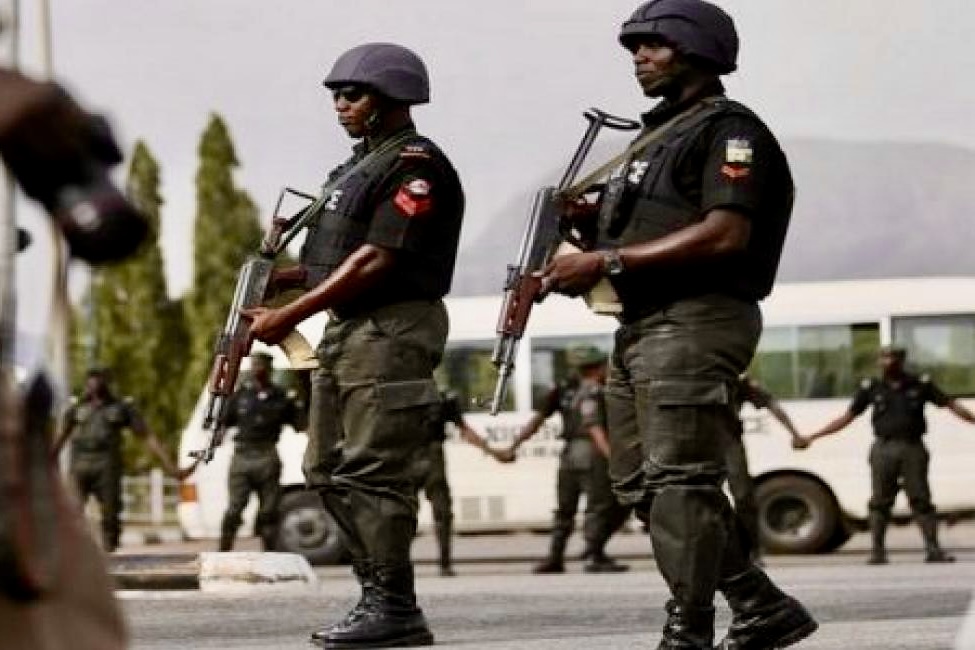
Bayelsa State, long a hotbed of political contestation, now finds itself at the epicentre of an increasingly acrimonious battle. Governor Douye Diri has publicly condemned the rally, warning that hosting such an event during a period of fragile peace could inflame simmering tensions.
His administration’s stance, bolstered by security concerns, reflects broader apprehensions that political assemblies—especially those tainted by ethnic and partisan undertones—could undermine the state’s stability.
Critics argue that the rally, while couched in the language of gratitude, is less about honouring appointments and more a calculated power play by the pro-Wike faction to consolidate influence in the South-South region.
Allegations of Ethnic Incitement and Political Opportunism
Adding fuel to the fire, Turnah’s rhetoric has not been without controversy. Accusations of inciting ethnic discord have emerged, with opponents alleging that Turnah’s remarks are designed to polarise the Ijaw nation and alienate other ethnic groups.
In a context where political loyalties often intersect with tribal identities, such incendiary language, according to critics, risks deepening divisions and fostering an environment ripe for violence.
Moreover, the rally’s timing—set against the backdrop of ongoing peace efforts in neighbouring Rivers State—suggests, according to Government House sources, that the event may be less a celebration of democratic freedoms than an opportunistic bid to score partisan points at a time when national unity is imperative.
A Ticking Time Bomb
As the clock ticks down to April 12, the tension in Bayelsa continues to mount. The defiant stance of the New Associates, coupled with the state government’s firm opposition and the recent judicial intervention, creates a volatile political landscape that could have far-reaching consequences.
With Bayelsa’s future hanging in the balance, the unfolding drama is not just a local issue—it is emblematic of Nigeria’s broader struggles with the rule of law, ethnic division, and the politicisation of state apparatus.
In this charged atmosphere, where legal mandates clash with political ambition, the pro-Tinubu rally stands as a stark reminder that in Nigeria’s political arena, the battle lines are drawn not only on the streets but within the corridors of power as well.
The coming days will be critical in determining whether dialogue and legal recourse can avert further discord or if Bayelsa is destined to become a battleground for unchecked political opportunism.