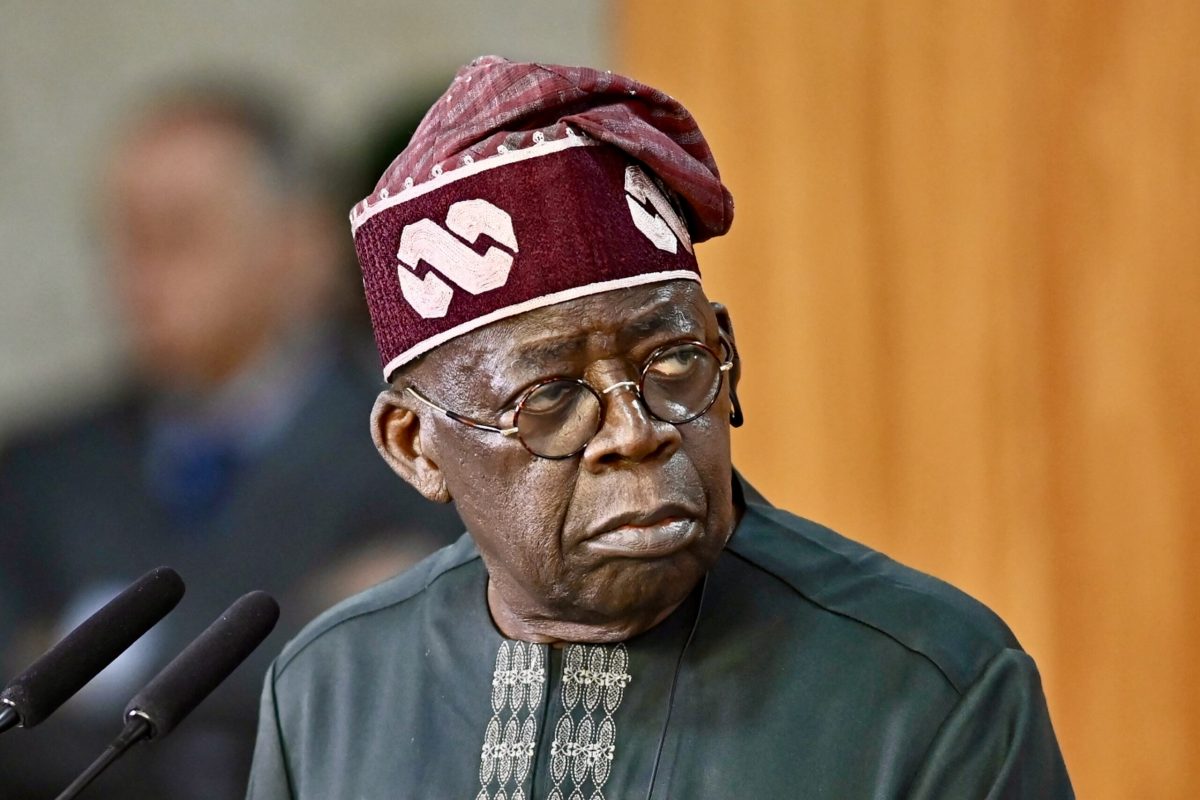
Tinubu Engages in Pivotal Closed-Door Talks with PANDEF Leaders at Aso Villa
ABUJA, Nigeria — In a significant move that could reshape the future of Nigeria’s Niger Delta region, President Bola Tinubu convened a closed-door meeting with top leaders of the Pan Niger Delta Forum (PANDEF) at the Council Chamber of the State House in Abuja.
The meeting, held on Tuesday at 16:15 local time, marked another crucial step in the President’s series of dialogues with key stakeholders in the Delta, aimed at addressing longstanding environmental, developmental, and political challenges.
The session was convened in honour of the late elder statesman Edwin Clark, whose recent passing in February has left an indelible void in the leadership of the Niger Delta.
At Tinubu’s explicit request, participants observed a minute’s silence as a mark of respect for Clark’s contributions to the region.
The tribute set a solemn tone for discussions that were as much about paying homage to a revered figure as they were about forging a new path for unity and progress.
A Strategic Move Towards Reconciliation and Progress
This latest engagement follows a series of high-profile meetings that have underscored President Tinubu’s commitment to dialogue with the Niger Delta’s traditional rulers, political stalwarts, and community leaders.
Notably, on 21 January 2025, Tinubu held a closed-door session with influential figures from Rivers State – including Governor Siminalayi Fubara, former Governor Nyesom Wike, and prominent leaders from the Ogoni communities.
The primary focus of that meeting was the advancement of the Ogoni cleanup project, a much-needed initiative to address the environmental degradation that has long plagued the region.
During the discussions, President Tinubu stressed the imperative of healing past wounds and forging a path forward through unity and collaboration.
“We can’t heal past wounds if we continue to be angry,” he stated, a comment that resonated deeply with many present.
This declaration not only reflected his understanding of the emotional and historical scars left by decades of neglect and conflict but also reinforced the belief that sustainable progress in the Niger Delta hinges on collective goodwill and joint action.
Key Figures and Their Influential Roles
The closed-door meeting at Aso Villa was attended by a veritable who’s who of Niger Delta leadership and political heavyweights.
Among the prominent attendees were Senator Seriake Dickson, Professor Mike Ozakhome, former Cross River State governor Mr Liyel Imoke, former Rivers Deputy Governor Tele Ikuru, and ex-Managing Director of the Niger Delta Development Commission (NDDC), Timi Alaibe.
Their presence signalled a broad-based commitment to tackling the region’s multifaceted challenges.
The session’s programme, as observed by our correspondent, was meticulously structured to allow for a comprehensive exchange of views.
Key addresses were slated from influential figures such as King Alfred Diete-Spiff, Chairman of the Board of Trustees of PANDEF, and Obong Victor Attah, Co-Chairman of the Board of Trustees.
Furthermore, a statement by PANDEF’s National Chairman, Godknows Igali, promised to provide an articulate expression of the collective aspirations of the Niger Delta’s traditional leadership.
Also in attendance were notable dignitaries including the Amayanabo (Jaja) of Opobo, Professor Dandeson Jaja, Senator Ita Enang, Senator Bassey Henshaw, Mrs Ibim Semenitari (former acting Managing Director of the NDDC), Uche Secondus, Senator Andrew Uchendu, and Okareme Maikpobi – National Coordinator of Host Communities of Nigeria (HOSTCOM).
The participation of seasoned activists like Niger Delta campaigner Ms Ann-Kio Briggs and Chief Obiwevbi Ominimini, spokesman for PANDEF, further underscored the high stakes of the discussions.
The Broader Context of Niger Delta’s Struggles
For decades, the Niger Delta has been the epicentre of Nigeria’s oil wealth as well as its environmental and social challenges.
While the region continues to generate significant revenue for the nation, the consequences of unbridled environmental degradation, coupled with decades of political neglect and marginalisation, have left a trail of discontent among local communities.
The infamous cleanup project for the Ogoni region, which was a central agenda in previous meetings, remains emblematic of the broader struggle for environmental justice and equitable development.
The President’s efforts to engage with traditional leaders and influential political figures through forums like PANDEF represent an evolving strategy to mitigate tensions and foster sustainable development.
By ensuring that all stakeholders are given a platform to voice their concerns and suggestions, Tinubu’s administration is attempting to bridge the chasm between the federal government and the grassroots communities in the Niger Delta.
This approach, though fraught with challenges, has the potential to transform a region long synonymous with conflict into one characterised by cooperative development and mutual trust.
The Political and Environmental Imperatives
Critics argue that past administrations have often neglected the voices of the Niger Delta, opting instead for short-term fixes over genuine structural reforms. However, the current series of meetings, including the recent closed-door session at Aso Villa, marks a deliberate pivot towards inclusive governance.
The emphasis on dialogue, reconciliation, and environmental stewardship is seen by many as a necessary prelude to implementing far-reaching policies that could reverse the adverse impacts of decades of exploitation.
Analysts suggest that this meeting could be a turning point, setting a precedent for further engagements aimed at resolving not only environmental issues but also broader socio-economic disparities.
The symbolic gestures – such as the minute’s silence for Edwin Clark – serve as a reminder that while political leadership must be pragmatic, it also owes a debt of gratitude to those who laid the foundation for peace and progress in the Niger Delta.
Looking Ahead: A New Chapter for the Niger Delta?
As the meeting adjourned behind closed doors, the nation is left to speculate on the outcomes of this high-level dialogue.
Will President Tinubu’s renewed commitment to inclusive governance lead to tangible changes in the Niger Delta?
Can this renewed sense of unity and collaboration overcome the deeply entrenched issues that have beleaguered the region for generations?
These are the questions that political analysts and citizens alike will be watching closely.
The Atlantic Post will continue to provide in-depth coverage and incisive analysis of developments in this critical region.
One thing is clear: the discussions at Aso Villa are not merely political theatre but a decisive moment in Nigeria’s ongoing quest to reconcile its past and secure a prosperous future for all its citizens.
In conclusion, President Tinubu’s meeting with PANDEF leaders signals a potential turning point in the long history of neglect and conflict in the Niger Delta.
With a carefully curated gathering of the region’s most influential figures, this closed-door session has the makings of a transformative moment in Nigerian politics, one that could ultimately bring about the long-awaited unity and progress in one of the nation’s most pivotal regions.
- Additional reports by Osaigbovo Okungbowa and Kalada Jumbo