By Editor
Introduction
In a chilling incident that underscores the escalating tensions in Nigeria, a soldier from the Nigerian Army fatally shot a 16-year-old #EndBadGovernanceInNigeria protester, Ismail Mohammed, in the Samaru community of Zaria, Kaduna State. The tragic event occurred on Tuesday, August 6, 2024, and has sparked outrage and condemnation from various quarters. This report delves into the details of the incident, the broader context of the #EndBadGovernanceInNigeria protests, and the implications for Nigeria’s socio-political landscape.

The Incident: What Happened in Samaru?
The Nigerian Army, responding to a distress call, arrived at the Samaru community to disperse a group of protesters described as “hoodlums” by Major General Onyeama Nwachukwu, the Director of Army Public Relations. According to Nwachukwu, the protesters were burning tires and pelting stones at security personnel. The troops’ arrival was met with hostility, leading a soldier to fire a warning shot, which tragically struck and killed Ismail Mohammed.
Nwachukwu’s statement emphasized that the soldier involved has been arrested and is undergoing interrogation. The Chief of Army Staff, Lt. Gen. Taoreed Abiodun Lagbaja, has expressed deep sorrow over the incident and dispatched a high-powered delegation to condole with Mohammed’s family. The young protester was buried according to Islamic rites, with senior military officers in attendance.
Government Response: Denial and Condolences
Earlier on the day of the incident, Inspector General of Police Kayode Egbetokun, during a security agencies meeting in Abuja, insisted that no live ammunition was used during the #EndBadGovernance protests. Egbetokun stated, “The police and the military and indeed no other security agency involved in the management of this protest have not deployed excessive use of force.” He described reports of shootings by security forces as “fake news” and maintained that only tear gas was used to manage the protests.
The #EndBadGovernanceInNigeria Movement: Roots and Resonance
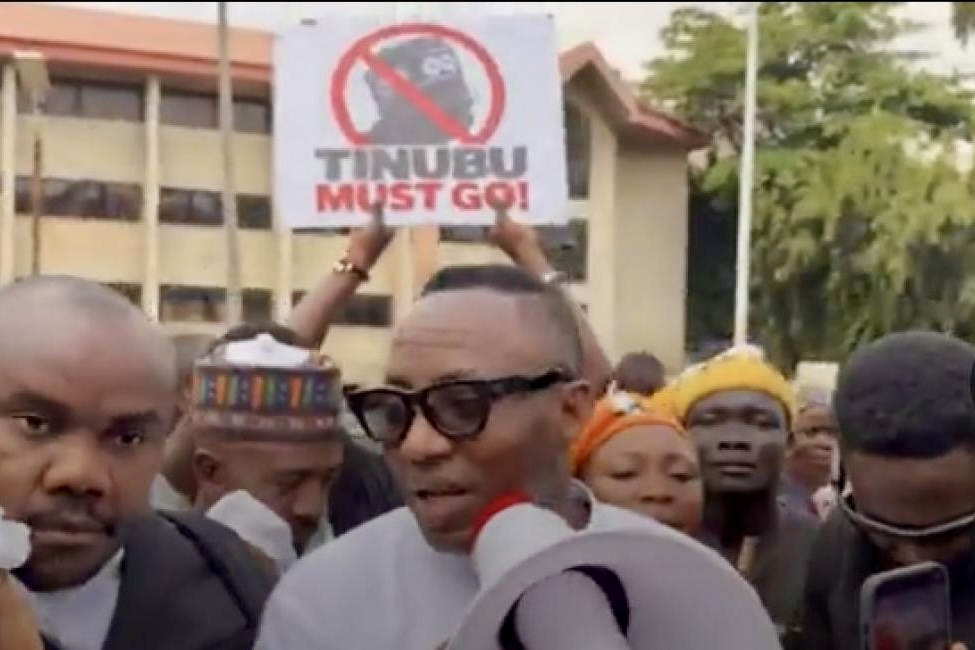
The #EndBadGovernanceInNigeria movement is a powerful expression of widespread discontent with the Nigerian government. It echoes the earlier #EndSARS protests, which highlighted police brutality and systemic failures. The movement has gained traction among the youth, who are increasingly frustrated by corruption, unemployment, and poor governance.
Ismail Mohammed’s death is a stark reminder of the movement’s high stakes. Young Nigerians, galvanized by social media and driven by a desire for change, have taken to the streets to demand accountability and reforms. The government’s heavy-handed response, including deploying the military to disperse protesters, has only fueled further outrage and strengthened the resolve of the movement.
Human Rights Concerns: A Pattern of Repression
Human rights organizations have repeatedly criticized the Nigerian government for its approach to handling protests. The fatal shooting of Ismail Mohammed is not an isolated incident but part of a broader pattern of repression. Amnesty International and Human Rights Watch have documented numerous instances of excessive force, arbitrary arrests, and human rights violations by Nigerian security forces.
The use of live ammunition against unarmed protesters is a clear violation of international human rights standards. The government’s denials and attempts to downplay these incidents raise serious questions about its commitment to upholding democratic principles and protecting citizens’ rights.
The Role of Security Forces: A Question of Accountability
The Nigerian military and police have a long history of heavy-handed tactics and impunity. The arrest of the soldier involved in Ismail Mohammed’s shooting is a rare occurrence and a potential step towards accountability. However, the broader issue of systemic abuses by security forces remains unaddressed.
For meaningful change to occur, there must be a comprehensive overhaul of the security sector, including improved training, oversight, and accountability mechanisms. The government must ensure that security forces respect human rights and operate within the bounds of the law.
The Socio-Economic Context: Fuelling the Flames of Protest
The #EndBadGovernanceInNigeria movement is not just about political grievances but also deeply rooted in socio-economic challenges. Nigeria, Africa’s most populous nation, faces significant economic problems, including high unemployment rates, inflation, and poverty. The government’s recent removal of fuel subsidies has further exacerbated the economic strain on ordinary Nigerians.
Protesters like Ismail Mohammed represent a generation that feels disenfranchised and abandoned by their leaders. Their demands for better governance, economic opportunities, and social justice reflect the urgent need for structural reforms.
International Reactions: Global Condemnation and Support
The international community has been closely watching the developments in Nigeria. Human rights organizations, foreign governments, and international bodies have expressed concern over the government’s response to the protests.
Amnesty International
“Amnesty International is appalled by the killing of a 16-year-old protester in Kaduna. The Nigerian government must immediately investigate this incident and ensure accountability. The use of live ammunition against peaceful protesters is unacceptable and must end.” – Agnès Callamard, Secretary-General.
United Nations
“The United Nations is deeply concerned about the reports of excessive use of force against protesters in Nigeria. We urge the Nigerian authorities to respect the right to peaceful protest and to protect the lives and rights of all citizens. An independent investigation into the recent incidents is crucial.” – António Guterres, UN Secretary-General.
Human Rights Watch
“Human Rights Watch condemns the killing of Ismail Mohammed and calls for a thorough and transparent investigation. The Nigerian government must hold those responsible accountable and take steps to prevent further human rights violations.” – Kenneth Roth, Executive Director.
The Way Forward: Recommendations for Change
To address the current crisis and prevent further tragedies, the Nigerian government must take urgent and decisive action. Here are several key recommendations:
1. Independent Investigation and Accountability
An independent and transparent investigation into the killing of Ismail Mohammed must be conducted. Those found responsible for his death and any other human rights violations must be held accountable.
2. Security Sector Reform
The Nigerian government must undertake comprehensive security sector reform to ensure that security forces respect human rights and operate within the law. This includes improved training, oversight, and accountability mechanisms.
3. Economic Reforms
Addressing the socio-economic challenges facing Nigeria is crucial. The government must implement policies that create jobs, reduce inflation, and improve living standards for all Nigerians.
4. Dialogue and Engagement
The government must engage in meaningful dialogue with protesters and civil society groups. Open communication channels can help address grievances and build trust between the government and its citizens.
5. International Support
The international community must continue to monitor the situation in Nigeria and provide support for human rights and democratic reforms. Diplomatic pressure and assistance can help foster positive change.
Conclusion: A Call for Leadership and Vision
The killing of Ismail Mohammed is a tragic reminder of the urgent need for change in Nigeria. The government’s response to the #EndBadGovernanceInNigeria protests will significantly impact the country’s future. It is imperative that the administration demonstrates true leadership by addressing the concerns of its citizens and committing to democratic principles.
The path forward requires empathy, vision, and a steadfast commitment to the well-being and dignity of all Nigerians. The government’s actions must reflect a genuine desire to foster unity and build a better future for the country. Only then can Nigeria move beyond its current challenges and achieve lasting peace and prosperity.
Voices from the Ground: Testimonials and Reactions
To fully grasp the gravity of the situation, it is essential to listen to the voices of those directly affected by the government’s actions. Testimonials from protesters, human rights activists, and ordinary citizens provide a poignant glimpse into the reality on the ground.
Testimonial 1: A Protester’s Perspective
“I joined the protests because I believe in the right to demand better governance. We are not criminals; we are citizens exercising our democratic rights. The government’s response has been brutal and uncalled for. We are not asking for much, just for our leaders to listen to us and address our concerns. The excessive use of force against us is a clear violation of our rights.” – Mariam, a protester in Lagos.
Testimonial 2: A Human Rights Activist’s View
“The human rights violations we are witnessing are deeply troubling. The government’s heavy-handed response to peaceful protests is unacceptable in a democracy. We must hold those responsible accountable and ensure that such atrocities are not repeated. The international community must also take notice and support our call for justice.” – Adebola, a human rights activist.
Testimonial 3: An Ordinary Citizen’s Experience
“I have been struggling to make ends meet with the rising cost of living. The removal of fuel subsidies has made things even harder for us. We are not protesting for the sake of it; we are fighting for our survival. The government’s lavish spending while we suffer is an insult to our dignity. We need real solutions, not empty promises.” – Chukwuemeka, an ordinary citizen.
Final Thoughts: The Need for Comprehensive Change
The current crisis presents a critical juncture for Nigeria’s democracy. The government’s response to the #EndBadGovernanceInNigeria protests and its treatment of protesters will significantly impact the country’s future. It is imperative that the administration demonstrates true leadership by addressing the concerns of its citizens and committing to democratic principles.
The path forward requires empathy, vision, and a steadfast commitment to the well-being and dignity of all Nigerians. The government’s actions must reflect a genuine desire to foster unity and build a better future for the country. Only then can Nigeria move beyond its current challenges and achieve lasting peace and prosperity.