In a sobering address to the nation, former Vice President Atiku Abubakar has sounded the alarm over the resurgence and intensification of terrorism in Nigeria’s North-East region. This poignant message comes in the wake of a series of devastating attacks by suicide bombers that have left the region reeling and its inhabitants living in fear.

A Grim Reality: The Attacks
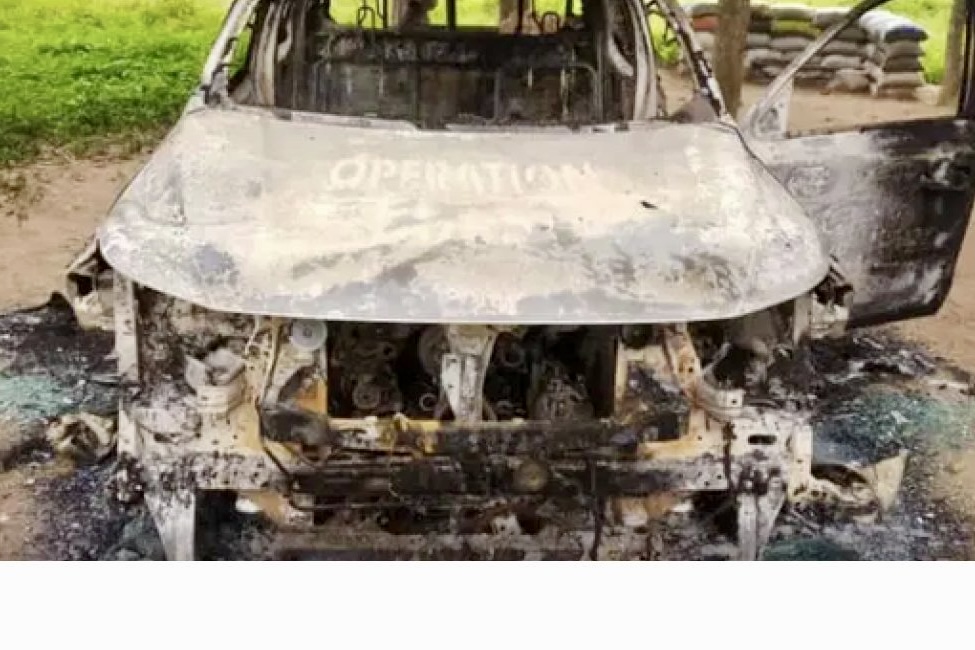
The recent wave of violence began with an attack on a wedding reception, followed swiftly by another assault during a funeral procession, and culminating in a horrific explosion at a hospital. These incidents, occurring on a single Saturday, have claimed numerous lives and injured many more, painting a bleak picture of the security situation in the region. Abubakar’s condemnation of these attacks underscores the urgency and gravity of the situation.
The Resurgence of Boko Haram
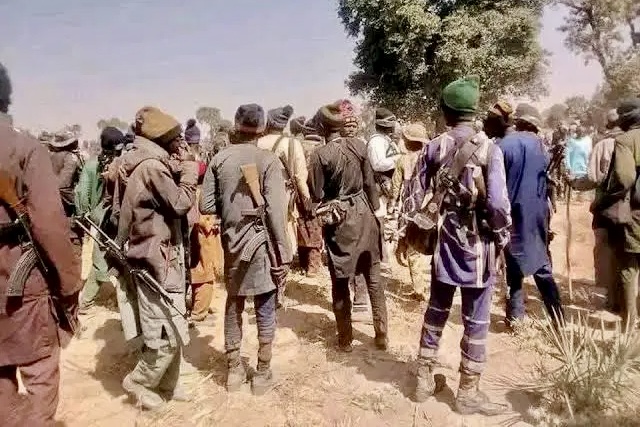
Atiku Abubakar’s statement highlights a troubling trend: the re-emergence of Boko Haram as a potent force in the North-East. This resurgence is not just a return to previous levels of activity but an alarming escalation, with the terror group demonstrating increased capacity and boldness in their attacks. Abubakar attributes this to the federal government’s “lacklustre posture” in maintaining a strong defensive line against these extremists.
The Human Cost
The human toll of these attacks is devastating. Families who were gathered to celebrate love and honor their deceased have instead been plunged into mourning. Hospitals, meant to be places of healing and safety, have turned into sites of carnage. The psychological impact on the survivors and the broader community is immeasurable, fostering a climate of fear and uncertainty.
Federal Responsibility and Critique
Abubakar’s call to the federal government is both a critique and a plea. He chastises the authorities for their apparent complacency and urges them to “wake up to their responsibility.” His words are a stark reminder that the progress made in recent years in pushing back against Boko Haram is being eroded. The implication is clear: without a robust and sustained government response, the region risks descending once more into a nightmare of terrorism and violence.
Historical Context: The Battle Against Boko Haram
The fight against Boko Haram has been a long and arduous one. Formed in the early 2000s, the group has been responsible for countless atrocities, including bombings, kidnappings, and massacres. The Nigerian military, with international support, had made significant inroads in degrading their capabilities. However, the recent attacks suggest that Boko Haram is far from defeated, and their ability to launch coordinated and deadly attacks is a testament to their enduring threat.
The Importance of Vigilance
Abubakar’s statement is a call for vigilance. It underscores the need for constant pressure on Boko Haram and other extremist groups. This includes not only military action but also addressing the underlying issues that fuel terrorism, such as poverty, unemployment, and lack of education. A multi-faceted approach is essential to prevent these groups from recruiting new members and gaining support.
International Implications
The resurgence of Boko Haram has international implications. Nigeria’s stability is crucial for the region, and any increase in terrorist activity can have ripple effects across West Africa. The international community has a vested interest in supporting Nigeria’s efforts to combat terrorism, through intelligence sharing, training, and financial assistance.
Condolences and Hope
In his message, Abubakar extends his condolences to the families of the victims, offering prayers for the repose of the departed souls. This human element is crucial, as it reminds us that behind the statistics and the headlines are real people, with families and dreams, whose lives have been shattered.
The Road Ahead: Strategic Recommendations
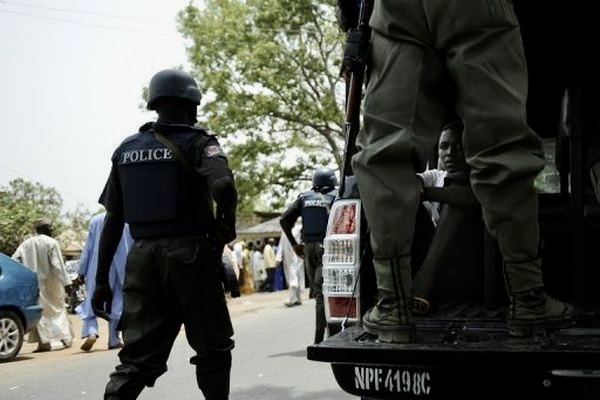
- Strengthening Military Presence: There is an urgent need to reinforce military presence in the North-East, with well-trained and adequately equipped personnel. Continuous surveillance and intelligence operations are critical in identifying and neutralizing threats before they materialize.
- Community Engagement: Building trust between the military and local communities is essential. Community members can provide valuable intelligence and support counter-terrorism efforts if they feel protected and valued by the authorities.
- Economic Development: Addressing the root causes of terrorism involves improving the socio-economic conditions of the region. Investment in education, healthcare, and infrastructure can provide alternatives to joining extremist groups.
- Regional Cooperation: Terrorism is not confined to national borders. Strengthening regional cooperation with neighboring countries through joint military operations and intelligence sharing can help tackle Boko Haram more effectively.
- Support for Victims: Providing psychological and financial support to victims and their families is crucial for community resilience. Establishing trauma centers and offering counseling can help survivors cope with the aftermath of attacks.
Conclusion: A Call to Unity and Action
Atiku Abubakar’s statement is more than just a critique; it is a rallying cry for unity and action. The battle against terrorism is not one that the government can win alone. It requires the concerted efforts of all Nigerians, from the federal authorities to local communities, from the military to civil society. Only through a united front can the tide of terror be turned back, ensuring a safer and more secure future for the North-East and Nigeria as a whole.
As the nation grapples with this renewed threat, the words of Atiku Abubakar serve as both a warning and a beacon of hope. They remind us of the work that remains to be done and the strength that lies in unity. The path ahead is challenging, but with determination and collective effort, Nigeria can overcome this dark chapter and emerge stronger.