Comfort Emmanson’s terse Instagram post — “I’ve been released from the Prison, but I’m still in pains due to how I was treated” — landed like a challenge to more than one official narrative after she was discharged from Kirikiri Correctional Facility on Wednesday.
After the police prosecution sought to withdraw the case, an Ikeja magistrate suddenly struck out the five-count charge against her.
This procedural outcome raises more questions than it does answers regarding what really happened on the August 10 Ibom Air flight from Uyo to Lagos.
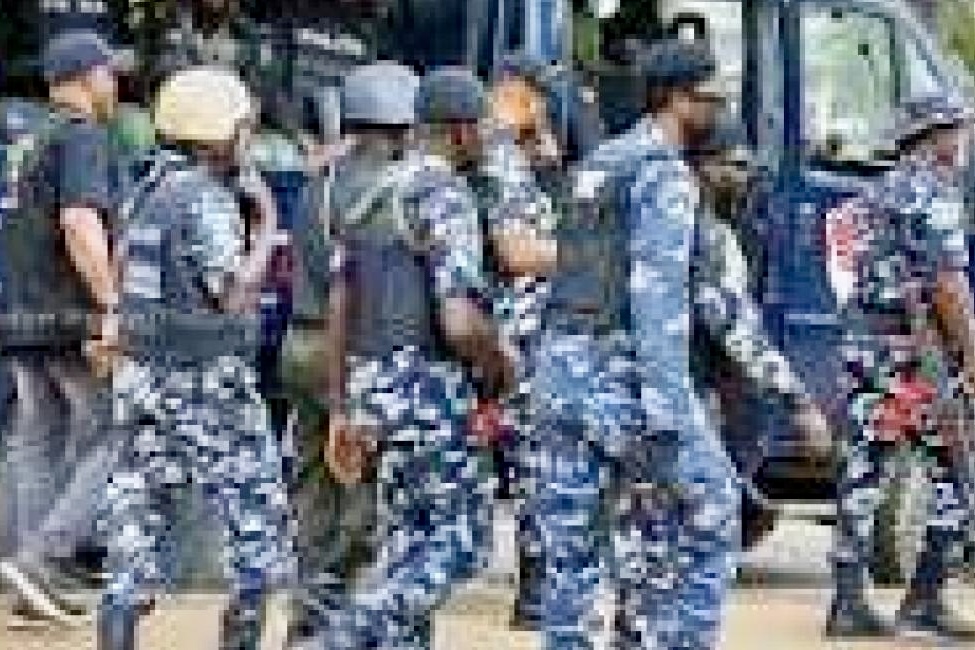
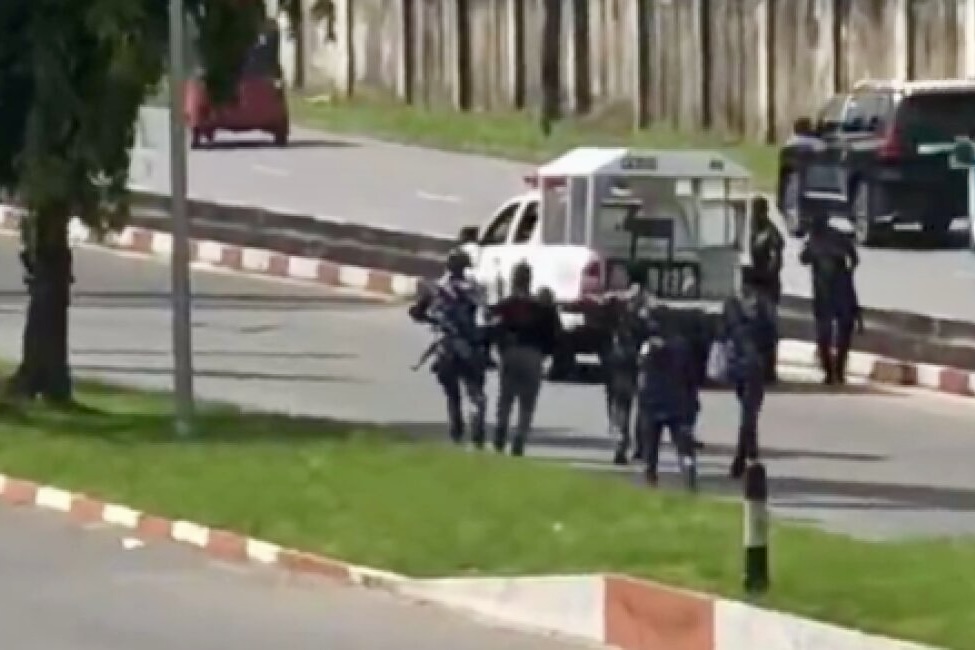
Scenes that many Nigerians found difficult to witness were depicted in the raw footage that triggered the story: a passenger being prevented from exiting an aircraft, and another tape showing a partially exposed person being dragged by security guards.
Demands for a swift official accounting were sparked by the photographs, which instantly evoked both anger and sorrow in equal measure.
The federal government viewed the improper handling of evidence and optics as a distinct crisis from the alleged in-flight wrongdoing, as seen by the public condemnation of the unapproved distribution of the tape and the promise of consequences against those responsible made by Aviation Minister Festus Keyamo.

Human rights advocates were able to recognise patterns more quickly: Aisha Yesufu referred to the treatment as “selective justice,” making a clear analogy to the way the police and aviation authorities handle well-known individuals.
It’s hard to dismiss that comparison. Wasiu Ayinde Marshall (KWAM1), a legendary figure from Fuji, was involved in a disruptive airport incident just days prior.
Instead of facing criminal charges, the musician was given a reduced suspension and public rehabilitation in the form of suggested ambassadorial roles.
Critics claim that this outcome is a sharp contrast to Emmanson’s initial remand.
Beyond personalities, the Emmanson affair exposes a broader global problem: reported incidents of “air rage” surged in the post-pandemic years and remain a serious safety concern for airlines and regulators.
IATA and ICAO data show tens of thousands of reported unruly incidents across airlines in recent years, prompting calls for clearer laws and firmer enforcement — yet practice on the ground, this episode suggests, is uneven.
For investigators and the public the key lines of inquiry are now obvious. Who authorised the force used to remove Emmanson and the release of the footage?
Why did the prosecution withdraw the charges — was evidence insufficient, or were other pressures in play?
What medical care has she received, and who will be held to account for any mistreatment while she was in custody?
And perhaps most politically combustible: are airline or celebrity status and connections quietly shaping who is prosecuted and who is rehabilitated?
Ibom Air has defended its crew and reiterated a zero-tolerance policy on assault or non-compliance, while the NCAA says operational safety must be respected. Yet legal experts note the airline’s right to impose flight bans sits alongside citizens’ rights to due process.
If oversight agencies mean to restore public confidence, they must publish the sequence of decisions, the evidence relied upon, and any internal directives about handling footage and use of force.
Comfort Emmanson’s promise to tell “her own version of the event” only deepens the drama.
If she speaks in public, the account will force a reckoning: with aviation safety standards, with the policing of passengers, and with whether justice in Nigeria’s skies is administered equally — regardless of fame, gender or access.
Until then, the Ibom Air incident remains not just a single unruly-passenger story, but a test case for transparency and accountability in Nigeria’s aviation system.
Follow us on our broadcast channels today!
- WhatsApp: https://whatsapp.com/channel/0029VawZ8TbDDmFT1a1Syg46
- Telegram: https://t.me/atlanticpostchannel
- Facebook: https://www.messenger.com/channel/atlanticpostng