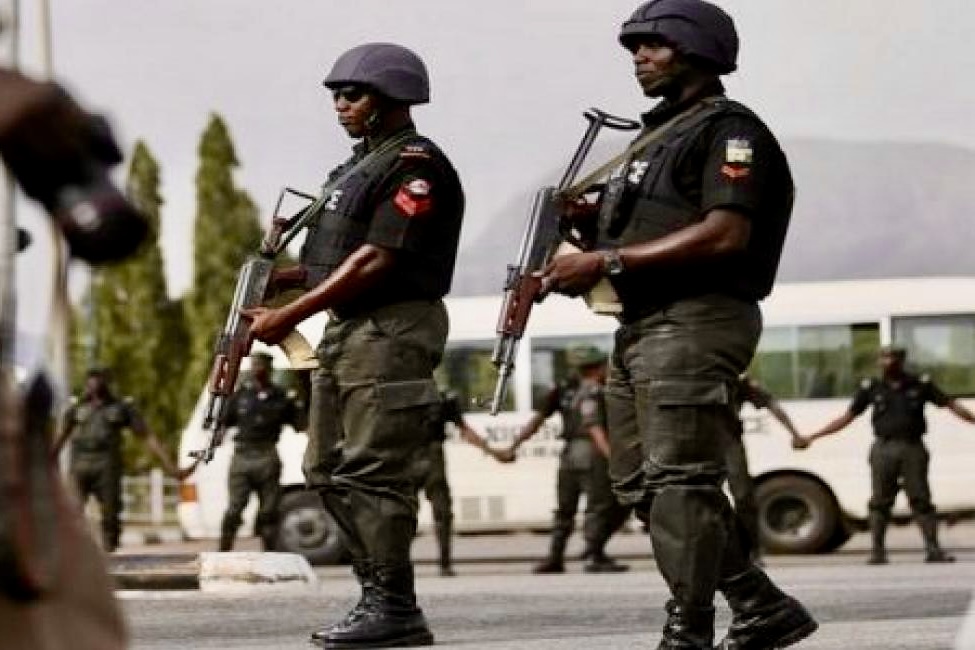
Peter Obi condemns the arrest of Dele Farotimi, calling it a gross misuse of police power and a threat to Nigeria’s democracy. Read his powerful statement and analysis of the political implications.
In a fiery and unwavering statement, Peter Obi, the Labour Party’s 2023 presidential candidate and former governor of Anambra State, has condemned the arrest of Dele Farotimi, a prominent human rights lawyer and his campaign spokesman, over an allegation of defamation. Obi’s reaction is not just a defense of a trusted ally; it is a blistering indictment of what he describes as the gross misuse of police powers and a deliberate assault on Nigeria’s fragile democracy.
Farotimi’s arrest, shrouded in controversy and secrecy, has sparked outrage across Nigeria, with civil society groups, opposition leaders, and international observers expressing alarm over what they perceive as a disturbing escalation in the state’s efforts to silence dissent. For Obi, this incident is a microcosm of a deeper systemic problem—a government willing to weaponise its institutions to stifle freedom of expression and crush opposition voices.
In a nation still grappling with the aftermath of a fiercely contested 2023 election, Obi’s response serves as a rallying cry for Nigerians who value democracy, justice, and the rule of law.
Obi’s Condemnation: A Moral and Political Stand
Peter Obi wasted no time in addressing the arrest of Dele Farotimi, describing it as a “gross misuse of police powers” and a “grave assault on the principles of democracy and justice in Nigeria.” His condemnation goes beyond the immediate circumstances of Farotimi’s detention; it is a scathing critique of a political system that appears increasingly intolerant of dissent.
“This action is a gross misuse of police powers and a grave assault on the principles of democracy and justice in Nigeria. I condemn this action in totality. It represents not only an attempt to intimidate opposing voices from questioning authority, but it is also a worrying signal to every Nigerian who loves and values freedom of expression and dares to demand accountability and transparency,” Obi declared.
The statement underscores the broader implications of Farotimi’s arrest. For Obi, this is not an isolated incident but part of a troubling pattern of state-sponsored repression aimed at silencing critics and eroding civil liberties.

Weaponising the Police: A Threat to Democracy
At the heart of Obi’s condemnation is a fundamental question about the role of the Nigeria Police Force. The police, he argues, exist to protect the rights of citizens, not to suppress them. By arresting Farotimi over a civil matter like defamation, the police have overstepped their mandate, transforming themselves from a civil force into a political tool.
“Defamation, by its nature, is a civil matter that should be addressed in court through due legal process in line with the dictates of the rule of law in a democracy,” Obi asserted.
This statement highlights a critical legal point often overlooked in Nigeria’s political landscape. Defamation, Obi reminds us, is not a criminal offence but a civil one—a dispute between private parties that should be resolved through the judiciary, not through arbitrary arrests and police detention.
A Personal Reflection: Obi’s Own Experience with Defamation
Obi’s statement takes a personal turn as he reflects on his own experiences with defamation. As a high-profile political figure, he has been the target of countless false accusations, insults, and lies. Yet, he has never resorted to using the police or filing reports to silence his critics.
“As a private citizen, former governor, and even today, I am frequently defamed, insulted, and lied about and against. Yet, I have never resorted to using the Nigerian police or filing reports to silence others,” Obi stated.
This personal anecdote serves a dual purpose. First, it reinforces Obi’s commitment to democratic principles and the rule of law. Second, it contrasts sharply with the actions of those who, in his view, abuse their access to state power to settle personal scores.
Abuse of Power and the Question of Police Independence
Obi’s statement goes beyond the specifics of Farotimi’s arrest to address a more systemic issue: the abuse of power and the erosion of the police force’s independence and professionalism.
“The resort to police action, in this case, reeks of abuse of power and raises serious concerns about the independence and professionalism of the police as a civil force,” Obi warned.
This critique strikes at the heart of a longstanding problem in Nigeria. The police, meant to serve as an impartial enforcer of the law, often find themselves entangled in political machinations, serving the interests of the powerful rather than the public. Obi’s call for Farotimi’s immediate and unconditional release is, therefore, not just a plea for justice but a demand for institutional reform.
A Call for Justice and Accountability
In his closing remarks, Obi issues a powerful call to action, urging the Nigeria Police Force to recognise their true allegiance—not to those in power, but to the Constitution and the people of Nigeria.
“I hereby request that Dele Farotimi should be released immediately and unconditionally. The police must recognise that their allegiance is to the Constitution and the people of Nigeria, not to narrow interests at the behest of those in power,” Obi declared.
This statement is a direct challenge to the status quo and a reminder that the legitimacy of any government institution rests on its adherence to democratic principles and the rule of law.
A New Nigeria: The Vision of Justice and Fairness
Obi’s statement concludes with a vision for a new Nigeria—a nation where justice, fairness, and accountability are not just aspirational ideals but lived realities.
“A new, more just and fair Nigeria is possible,” Obi proclaimed.
This vision resonates with many Nigerians, particularly the youth, who are disillusioned with the current state of affairs but remain hopeful for a brighter future. Obi’s leadership, characterised by his commitment to transparency, accountability, and the rule of law, offers a glimmer of hope in a political landscape often marked by corruption and impunity.
Implications for Nigeria’s Political Landscape
The arrest of Dele Farotimi and Obi’s subsequent condemnation could have far-reaching implications for Nigeria’s political landscape. With the 2027 general elections on the horizon, the Labour Party faces the dual challenge of navigating state repression while building a viable electoral platform. Obi’s statement, however, signals that the party is ready to confront these challenges head-on.
Political analysts suggest that this incident could galvanise support for the Labour Party, particularly among young voters and civil society groups who are increasingly disillusioned with the political establishment. The arrest of a prominent human rights lawyer like Farotimi and Obi’s robust defence of democratic principles could serve as a rallying point for a broader movement for political and institutional reform.
A Nation at a Crossroads
Nigeria stands at a crossroads. The arrest of Dele Farotimi is more than just a legal dispute; it is a test of the nation’s commitment to democracy, justice, and the rule of law. Peter Obi’s response, characterised by its moral clarity and political courage, underscores the stakes involved. Will Nigeria choose the path of repression and authoritarianism, or will it embrace the principles of justice, fairness, and accountability?
The answer to this question will shape the future of the nation and determine whether the vision of a new, more just Nigeria becomes a reality or remains an elusive dream.
Additional report by Osaigbovo Okungbowa, Atlantic Post Senior Political Correspondent.