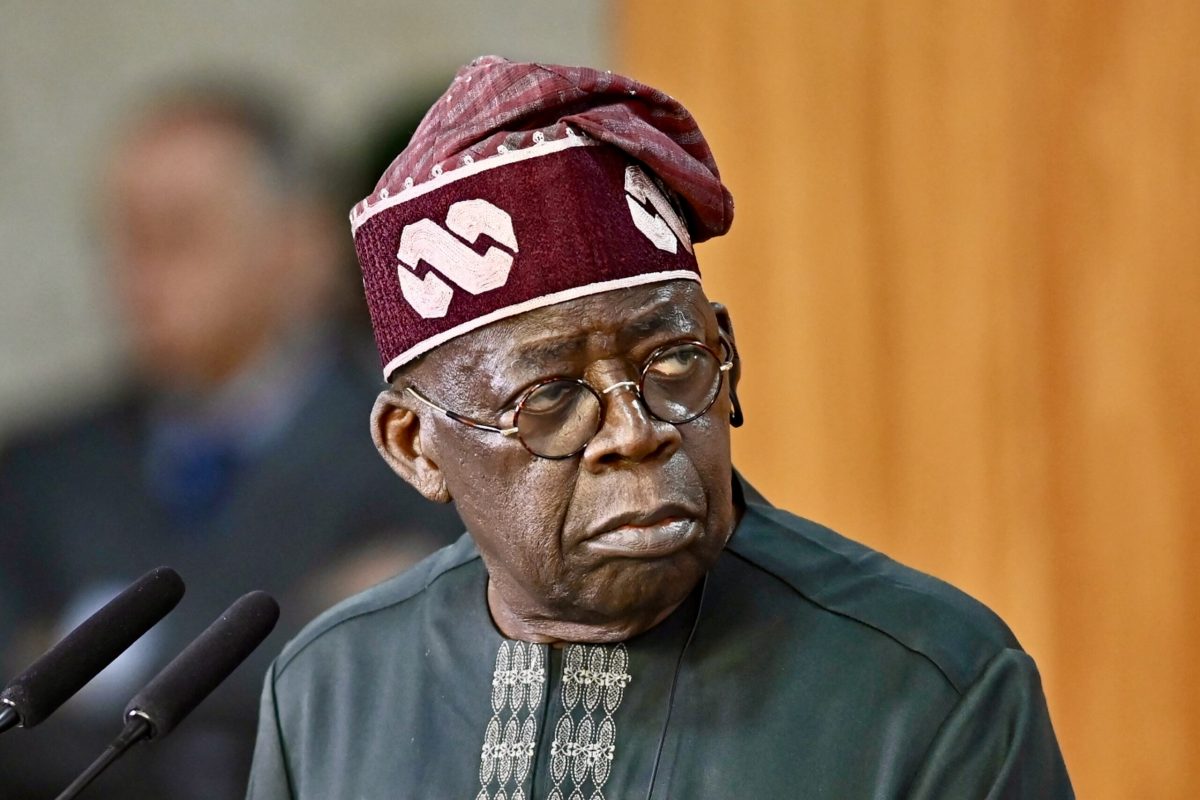
ASABA, Delta State — In a statement that has reverberated across political and business circles, Delta State Governor Sheriff Oborevwori has vowed to prevent oil companies from oppressing their host communities while simultaneously ensuring that any disruption to oil production is not tolerated.
Speaking at Government House in Asaba during a courtesy visit by the Chairman and Managing Director of Chevron Nigeria Limited, Mr Jim Swartz, the governor’s declaration marks a defining moment in the intersection of corporate responsibility, community welfare, and state economic interests.
A Dual Commitment to Business and Community
Governor Oborevwori’s address was clear and resolute. On the one hand, he reassured investors that Delta State remains a safe, business-friendly environment—a critical factor in attracting further investment into the region’s lucrative oil and gas sector.
On the other, he emphasised that the administration would not allow any entity, whether an oil company or the host communities themselves, to disrupt the delicate balance necessary for sustainable development.
In his remarks, the governor stressed that the prosperity of Delta State is inextricably linked to its high oil production. “If oil production is high, Delta State will benefit,” he declared, underscoring that the state derives a significant portion of its revenues from the sector.
This strategic approach is not merely about safeguarding production; it is about fostering a mutually beneficial relationship between multinational oil companies and the local communities that often bear the brunt of industrial operations.
The MORE Agenda: A Blueprint for Inclusive Development
Central to Governor Oborevwori’s vision is the MORE Agenda—a multifaceted initiative designed to propel Delta State towards a future characterised by Meaningful Development, Opportunities for All, Realistic Reforms, and Enhanced Peace and Security.
The MORE Agenda is not simply a catchphrase; it is a comprehensive policy framework intended to address the longstanding issues of marginalisation and underdevelopment that have, at times, marred relations between oil companies and host communities.
Under the MORE Agenda, the state government aims to ensure that economic growth does not come at the expense of social equity. This approach has already attracted commendation from various quarters, as it seeks to balance the imperatives of attracting investment with the need to empower local residents.
The governor’s insistence on fostering a strong relationship with host communities is a clear signal that the state is committed to countering historical grievances that have, in many instances, led to conflict and environmental degradation.
Historical Context and the Stakes for Delta State
Delta State’s reputation as an oil-rich region is well established. However, this wealth has often come with a price. Past incidents of community unrest, environmental neglect, and even violent confrontations between host communities and oil companies have underscored the urgent need for a new paradigm in resource governance.
Governor Oborevwori’s vow not to allow oppression is both a response to these historical challenges and a proactive measure to prevent their recurrence.
The governor’s statement can be seen as part of a broader trend among regional leaders in Nigeria who are increasingly willing to hold multinational corporations to account. By demanding inclusivity in operations and greater representation of locals in senior management roles, Oborevwori is advocating for what many see as a fairer distribution of the benefits that accrue from oil production.
This stance is particularly significant given that many host communities have long felt exploited—receiving minimal economic benefit despite bearing the environmental and social costs of extraction activities.
Economic and Security Implications
At the heart of Governor Oborevwori’s policy is the belief that the well-being of Delta State is closely tied to both economic growth and security. High oil production not only drives the state’s revenue but also creates employment and underpins infrastructural development. Yet, any disruption—be it from corporate neglect of community welfare or from violent protests—could jeopardise this delicate balance.
By asserting that he will not allow either side to derail the production process, the governor is positioning his administration as a mediator committed to dialogue over conflict. This message is crucial in an era when global investors are increasingly wary of instability in oil-producing regions.
For investors, the assurance that the state is actively working to resolve disputes through dialogue and reform bolsters confidence in Delta State as a stable and attractive investment destination.
Moreover, the emphasis on security is of paramount importance. In a region where the spectre of unrest can lead to significant economic losses, ensuring a secure environment for both investors and local communities is a key priority.
Governor Oborevwori’s commitment to maintaining this balance—by preventing oppression on one side and disruption on the other—reflects a nuanced understanding of the interdependencies between economic stability and national security.
Corporate Social Responsibility and the Call for Inclusivity
A notable aspect of the governor’s address was his call for Chevron to further enhance its corporate social responsibility (CSR) initiatives. While Chevron has been lauded for its contributions to the development of the state, Governor Oborevwori emphasised that there is still more to be done, particularly in terms of inclusivity.
“Our people need tangible benefits,” he stated, urging the company to not only create job opportunities but also to ensure that Deltans are adequately represented in leadership roles.
This demand for inclusivity is part of a broader movement aimed at ensuring that the vast wealth generated by the oil industry is shared more equitably. Critics have long argued that while oil companies contribute significantly to national revenues, the host communities often receive only a fraction of the benefits.
By pressing for more local involvement in decision-making and management, the governor is challenging the status quo and calling for a model of development that is truly participatory.
The Role of Dialogue in Conflict Resolution
Governor Oborevwori’s approach to resolving disputes is rooted in the belief that dialogue is far more effective than confrontation. The governor recounted recent instances where tensions between oil companies and local communities threatened to escalate into protests.
Rather than resorting to force or punitive measures, he intervened to initiate a dialogue that eventually led to a peaceful resolution. This strategy not only prevents economic disruption but also fosters a culture of cooperation that is essential for long-term stability.
The emphasis on dialogue is particularly significant in light of past episodes of violence in the Niger Delta, where clashes between communities and security forces have resulted in tragic loss of life and severe economic repercussions.
By choosing dialogue over confrontation, the governor is setting a precedent that could serve as a model for other resource-rich regions grappling with similar issues.
Broader Political and Social Ramifications
The governor’s statement has also sparked a broader debate about the role of state governments in regulating the activities of multinational corporations. Critics argue that such measures, while laudable in principle, may face significant challenges in implementation, particularly when confronted with the vast economic interests of global oil companies.
However, proponents of the governor’s approach contend that robust regulation and proactive engagement are essential for ensuring that development is both sustainable and equitable.
In the context of Nigerian politics, where issues of resource control and community rights are highly contentious, Governor Oborevwori’s stance represents a significant departure from the more laissez-faire attitudes of previous administrations.
His firm resolve to protect host communities while maintaining high levels of production sends a strong message to both local stakeholders and international investors: Delta State is determined to chart a new course that prioritises sustainable development over short-term gains.
Conclusion: A Pivotal Moment for Delta State
Governor Sheriff Oborevwori’s declaration is more than just a political statement—it is a clarion call for a new era of inclusive and secure development in Delta State.
By pledging to prevent the oppression of host communities and to ensure that oil production continues unabated, the governor has set forth a vision that is as ambitious as it is necessary. Under the MORE Agenda, the state is poised to transform its longstanding challenges into opportunities for growth, peace, and prosperity.
The coming months will be critical in determining whether these promises can be translated into tangible benefits for the people of Delta State.
With robust dialogue, enhanced corporate social responsibility, and a commitment to inclusivity at its core, Governor Oborevwori’s administration is betting on a model of governance that could redefine the relationship between oil companies and host communities—not only in Delta State but across Nigeria.
As investors and local stakeholders alike watch closely, the success of this approach could well serve as a blueprint for other regions grappling with the dual imperatives of economic development and social justice.
For now, the promise of a balanced, inclusive, and secure future remains on the horizon, driven by a government determined to put people before profits while safeguarding the state’s economic engine.
Additional report by Taiwo Adebowale, Atlantic Post Senior Business Correspondent.