Editor
The Nigerian National Petroleum Corporation (NNPC) has once again made headlines, declaring an unprecedented net profit of N3.3 trillion in its 2023 Audited Financial Statement (AFS). While this news has been met with applause in some quarters, the financial triumph raises critical questions about the sustainability of these gains and the broader implications for Nigeria’s oil-dependent economy.

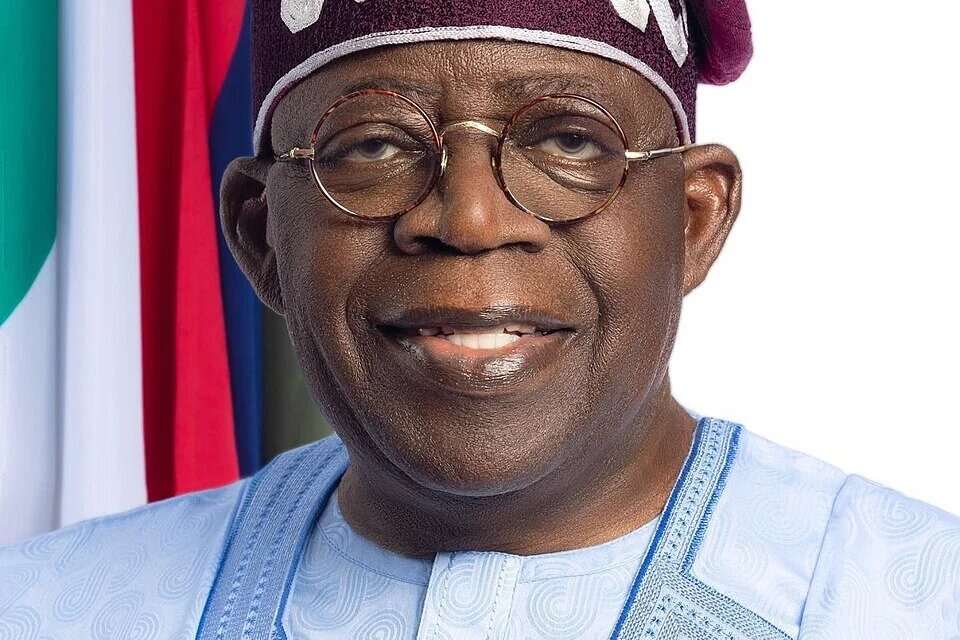
NNPC’s 2023 Financial Statement: A Triumph Masking Deep-Rooted Challenges in Nigeria’s Energy Sector | An Atlantic Post Editorial. (FILE PHOTO) 
NNPC’s 2023 Financial Statement: A Triumph Masking Deep-Rooted Challenges in Nigeria’s Energy Sector | An Atlantic Post Editorial. (FILE PHOTO 2) 
NNPC’s 2023 Financial Statement: A Triumph Masking Deep-Rooted Challenges in Nigeria’s Energy Sector | An Atlantic Post Editorial. (FILE PHOTO 3) NNPC’s 2023 Financial Statement: A Triumph Masking Deep-Rooted Challenges in Nigeria’s Energy Sector | An Atlantic Post Editorial. (FILE PHOTO 4)


A Record-Breaking Profit: A Testament to Financial Foresight or a Temporary Windfall?
In a nation where oil is the lifeblood of the economy, the NNPC’s announcement of a N3.297 trillion profit for 2023 is no small feat. This represents a remarkable 28% increase from the previous year’s profit of N2.548 trillion. But while the figures are impressive on paper, they prompt a deeper examination of the factors driving this profit surge.
The NNPC’s Chief Financial Officer, Mr. Umar Ajiya, attributes this success to “strategic foresight and operational resilience.” However, one must ask whether this profit is a product of genuine financial prudence or a result of temporary market conditions. The global oil market has been volatile, with prices fluctuating due to geopolitical tensions and supply chain disruptions. Could it be that the NNPC’s profit is more a reflection of favorable external factors than a testament to the company’s internal efficiencies?
Transparency and Accountability: A New Dawn or an Ongoing Mirage?
Ajiya’s assertion that the release of the AFS demonstrates the NNPC’s commitment to transparency and accountability is commendable, but it also demands scrutiny. The NNPC has long been a bastion of opacity in Nigeria’s public sector, with accusations of financial mismanagement and corruption casting a long shadow over its operations. While the publication of the AFS is a step in the right direction, it is crucial to question whether this move signifies a true shift towards openness or if it is merely a superficial gesture aimed at placating critics.
The NNPC’s journey from a loss of N803 billion in 2018 to a record profit of N3.3 trillion in 2023 is indeed remarkable. Yet, the true measure of transparency lies not just in the release of financial statements but in the accessibility and comprehensibility of the data provided. Are these documents available to the Nigerian public in a format that allows for meaningful analysis? Or are they buried in technical jargon, inaccessible to the average citizen? Transparency, after all, is not just about making information available; it’s about making it understandable.
Dividend Declaration: A Windfall for Shareholders or a Missed Opportunity for National Development?
The declaration of a N2.1 trillion dividend by the NNPC is a significant development, particularly in a country where the distribution of oil wealth has long been a contentious issue. The Petroleum Industry Act (PIA) 2021, which governs the operations of the NNPC, stipulates that the company must operate as a commercially viable entity. This dividend declaration is a clear indication that the NNPC is adhering to the letter of the PIA.
However, the question remains: is this the best use of the NNPC’s profits? While shareholders will undoubtedly welcome the payout, one must consider whether these funds could have been better utilized in addressing Nigeria’s myriad developmental challenges. From crumbling infrastructure to widespread poverty, the country faces a host of issues that require significant financial investment. Could a portion of the NNPC’s profits have been allocated to national development projects, thereby contributing to the broader public good?
Targeting 2 Million Barrels Per Day: A Lofty Goal or an Unrealistic Ambition?
The NNPC’s ambition to ramp up crude oil production to 2 million barrels per day (mbpd) by the end of 2024 is an ambitious target that, if achieved, could have significant implications for Nigeria’s economy. The Executive Vice President, Upstream, Mrs. Oritsemeyiwa Eyesan, attributes this goal to the success of ongoing efforts to combat crude oil theft and pipeline vandalism, two issues that have plagued the Nigerian oil industry for years.
However, this target must be viewed with caution. The Nigerian oil sector is rife with challenges, from aging infrastructure to persistent security threats in the Niger Delta. While improvements in security and operational efficiency are welcome, the question remains whether these efforts will be enough to achieve such an ambitious production target. Furthermore, with the global push towards renewable energy and the gradual decline in demand for fossil fuels, one must ask whether it is wise for Nigeria to double down on oil production rather than diversify its economy.
Fuel Scarcity: A Persistent Problem in the Midst of Abundant Wealth
The NNPC’s impressive financial performance is in stark contrast to the fuel shortages currently being experienced in parts of Lagos and the Federal Capital Territory (FCT). The Executive Vice President, Downstream, Mr. Dapo Segun, has urged Nigerians to be patient, assuring them that the company is working to resolve the distribution and logistics challenges that have led to the fuel queues.
But this explanation rings hollow in a country that is one of the world’s largest oil producers. How is it that Nigeria, with its vast oil wealth, is still plagued by fuel shortages? This paradox is emblematic of the deep-rooted inefficiencies and mismanagement that have long characterized the country’s oil sector. The NNPC’s ability to turn a profit is commendable, but until it can ensure a consistent and reliable supply of fuel to the Nigerian people, its financial successes will continue to be overshadowed by the persistent failures of the downstream sector.
Subsidy Payments: Clarity or Confusion?
In his remarks, Ajiya also addressed the contentious issue of subsidy payments, clarifying that the NNPC is merely covering the shortfall in PMS importation. This statement, however, adds another layer of complexity to an already opaque issue. The Nigerian government has long grappled with the question of fuel subsidies, with various administrations attempting—and often failing—to remove or reduce them.
The NNPC’s role in this process is critical, and Ajiya’s comments suggest that the company is still deeply entangled in the subsidy quagmire. The lack of clarity surrounding subsidy payments raises concerns about the sustainability of the NNPC’s profits. If the company is still subsidizing fuel costs, to what extent are its profits being propped up by government interventions? And what will happen if the government eventually decides to remove these subsidies altogether?
A New Era for NNPC: IPO and the Road Ahead
One of the most significant revelations from the press conference was Ajiya’s announcement that the NNPC may soon announce its Initial Public Offering (IPO). This move, if executed, would mark a new era for the company, transforming it from a state-owned enterprise into a publicly traded entity. The potential benefits of such a move are clear: increased transparency, greater accountability, and access to new sources of capital.
However, the challenges are equally significant. The global oil industry is in a state of flux, with increasing pressure to transition to renewable energy sources. For the NNPC, an IPO would require a careful balancing act—convincing investors of the company’s profitability while also navigating the complex and uncertain future of the oil market. Furthermore, the success of the IPO will depend largely on the NNPC’s ability to maintain its current level of profitability. Any sign of financial instability could dampen investor interest, potentially derailing the entire process.
A Profitable Future or a Precarious Path?
The NNPC’s 2023 financial statement paints a picture of a company on the rise, with record-breaking profits and ambitious plans for the future. But beneath the surface, there are numerous challenges that could undermine these successes. From fuel shortages and subsidy complexities to the uncertainties of an IPO and the broader question of Nigeria’s energy future, the NNPC faces a precarious path ahead.
As the NNPC moves forward, it must ensure that its financial gains translate into tangible benefits for the Nigerian people. Profitability is important, but it cannot be the sole measure of success. The true test for the NNPC will be its ability to address the deep-rooted challenges facing Nigeria’s oil sector, ensuring that the nation’s vast oil wealth is used to foster sustainable development and improve the lives of all Nigerians.
The NNPC’s 2023 financial success might seem like good news for the nation, but when it comes to the impact on fuel prices, the situation is far more complex and less reassuring for the average Nigerian.
Short-Term Impact: Unlikely Relief
In the immediate term, the NNPC’s record-breaking profit is unlikely to lead to a reduction in fuel prices at the pump. Despite the company’s robust financial performance, the reality on the ground remains grim. Nigerians are currently grappling with fuel shortages in major cities like Lagos and Abuja, a paradoxical situation given the NNPC’s profitability. The Executive Vice President, Downstream, Mr. Dapo Segun, has attributed these shortages to distribution, evacuation, and logistics challenges, but there’s no clear timeline for when these issues will be fully resolved.
This situation suggests that any immediate relief for consumers in terms of lower fuel prices is unlikely. In fact, the ongoing scarcity might even push prices higher in the short term, especially in the black market, where fuel is sold at exorbitant rates when official channels fail to meet demand.
Subsidy Concerns: A Looming Threat
A significant factor that could influence fuel prices is the status of fuel subsidies. The NNPC’s Chief Financial Officer, Mr. Umar Ajiya, mentioned that the company is covering the shortfall in PMS importation, which essentially means that the NNPC is still engaged in some form of subsidy payment. This raises critical questions about the sustainability of these subsidies and their long-term impact on fuel prices.
If the Nigerian government decides to remove or reduce fuel subsidies—a move that has been debated for years—fuel prices could skyrocket. The NNPC’s profits, while substantial, might not be enough to cushion the blow to consumers if subsidies are eliminated. This scenario could lead to widespread public discontent, as higher fuel prices would exacerbate the cost of living in a country already grappling with economic challenges.
Long-Term Outlook: Uncertainty Ahead
Looking ahead, the NNPC’s plan to ramp up crude oil production to 2 million barrels per day by the end of 2024 could have mixed implications for fuel prices. On the one hand, increased production could boost supply, which might help stabilise or even lower prices domestically. However, this outcome is far from guaranteed.
Global oil prices are influenced by a multitude of factors, including geopolitical tensions, international supply and demand dynamics, and the global shift towards renewable energy. Even if the NNPC meets its production target, these external factors could offset any potential benefits, leading to continued volatility in fuel prices.
Furthermore, the NNPC’s potential Initial Public Offering (IPO) could introduce new pressures to maximise profitability, possibly at the expense of keeping fuel prices low for Nigerian consumers. Shareholders in a publicly traded company might push for market-driven pricing strategies, which could lead to higher fuel prices domestically if the global oil market is favourable.
A Precarious Balance
In summary, the NNPC’s financial success in 2023 offers little immediate comfort for Nigerians facing high and volatile fuel prices. The ongoing fuel shortages, coupled with the uncertainty surrounding subsidies and future production targets, suggest that fuel prices could remain a contentious issue in the coming months. While the NNPC’s profitability is a positive development, it does not necessarily translate into lower fuel prices for consumers, particularly if the broader structural issues within Nigeria’s oil sector are not addressed.
The NNPC and the Nigerian government face a delicate balancing act: maintaining profitability and satisfying shareholder demands while also ensuring that fuel prices remain affordable for the average Nigerian. The outcome of this balancing act will significantly impact the country’s economic stability and the well-being of its citizens.