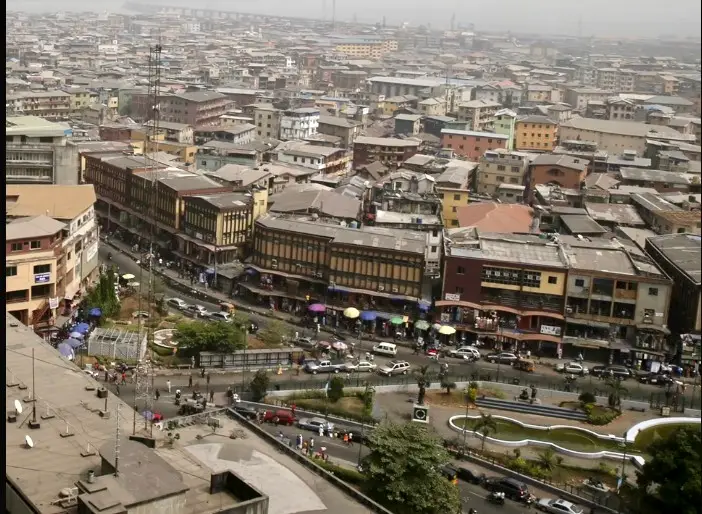
Nigeria’s economy experienced a 3.84% growth in Q4 2024, driven mainly by the non-oil sector, which expanded by 3.96%. The oil sector’s contribution to GDP fell to 4.60%, reflecting ongoing challenges. While sectors like services thrived, agriculture and industry lagged, highlighting the need for policy reforms and infrastructure investment to sustain growth.
LAGOS, Nigeria — In a dramatic demonstration of resilience and potential, Nigeria’s economy recorded a 3.84% year-on-year real growth in the fourth quarter of 2024, as disclosed by the National Bureau of Statistics (NBS).
This noteworthy improvement—up from 3.46% in the corresponding quarter of 2023 and the previous quarter of 2024—has set tongues wagging among economists, policy makers, and business leaders.
However, these figures offer both promise and a cautionary tale, encapsulating the multifaceted nature of the country’s economic landscape.
A Tale of Two Economies: Oil Versus Non-Oil
The latest GDP figures cast a stark contrast between the traditional oil sector and the burgeoning non-oil economy. The oil sector, long the cornerstone of Nigeria’s economy, now finds itself in a challenging limelight.
Its nominal contribution to GDP has slumped to 4.60% in Q4 2024, a slight decline from 4.70% in the previous year and a more pronounced drop from 5.57% in the preceding quarter.
Furthermore, real GDP growth in the oil sector plummeted to a meagre 1.48%—a steep fall from the 12.11% witnessed in Q4 2023.
Yet, on an annual basis, the oil sector still managed a positive growth rate of 5.54%, a glimmer of hope against the backdrop of a -2.22% contraction in 2023.
Conversely, the non-oil sector, the engine behind much of the recent economic acceleration, recorded an impressive 3.96% expansion.
Contributing a staggering 95.40% to the overall GDP, this sector underscores the structural shift in Nigeria’s economic priorities.
Key industries driving this non-oil boom include financial and insurance services, telecommunications, agriculture, trade, transportation and storage, and manufacturing.
This shift is emblematic of a long-anticipated diversification, mitigating the perennial vulnerabilities of an over-reliance on crude oil revenues.
Services Sector: The Crown Jewel of Economic Revival
Central to the Q4 2024 performance is the stellar performance of the services sector. Recording a robust 5.37% growth rate and contributing 57.38% to the aggregate GDP, the services sector has emerged as the crown jewel of Nigeria’s economic recovery.
Within this segment, financial and insurance services have outperformed, boasting an astonishing real GDP growth rate of 27.78%, albeit slightly lower than the previous quarter’s figure of 29.77%.
This meteoric rise not only reflects increased consumer confidence but also underscores the sector’s transformative role in modernising Nigeria’s financial landscape.
Telecommunications, too, has played its part, maintaining a steady growth trajectory of 5.90% while increasing its share of the national GDP from 16.66% to 17.00%.
This performance is indicative of an increasingly digital economy where connectivity and technological innovations are driving not only consumer engagement but also catalysing broader economic participation.
Industrial and Agricultural Strains: A Mixed Bag
While the services and non-oil sectors have shown significant promise, traditional sectors such as agriculture and industry continue to grapple with challenges.
The agriculture sector, a bedrock for food security and employment, recorded a subdued growth rate of 1.76% in Q4 2024—a decline from 2.10% in the same period of the previous year.
Given that crop production accounts for over 90% of the sector’s output, the slowdown raises pertinent questions about the impact of climate change, infrastructural deficits, and outdated farming practices.
There is an urgent need for policy reforms and investments in modern agriculture techniques to reverse this trend and ensure sustainability.
The industrial sector too is exhibiting signs of strain. With a modest growth of 2.00%, down from 3.86% in the previous year, industrial output is hampered by inconsistent power supply, outdated machinery, and logistical bottlenecks.
While nominal GDP figures for Q4 2024 have surged by 18.91% to N78.37tn from N65.91tn in Q4 2023, these figures mask underlying inefficiencies that could derail long-term industrial competitiveness unless addressed promptly.
Mining, Manufacturing, and Construction: Sectoral Perspectives
The mining and quarrying sector, encompassing crude petroleum, natural gas, and solid minerals, saw a real GDP growth of 2.23% in Q4 2024—a significant downturn from the robust 8.04% recorded in Q4 2023.
This deceleration, coupled with a marginal decline in its GDP contribution from 4.91% to 4.84%, points to potential operational disruptions and regulatory hurdles. It is imperative for stakeholders to re-examine investment incentives and streamline regulatory frameworks to rejuvenate this critical sector.
The manufacturing sector, though modestly growing at 1.79%—up from 1.38% in the previous quarter—faces its own set of challenges. Its share of GDP has slightly contracted from 8.23% in Q4 2023 to 8.07% in Q4 2024.
This dip, albeit marginal, is symptomatic of systemic issues such as supply chain disruptions and inadequate domestic capacity. Strategic investments in modernisation and enhanced production capabilities are necessary if the manufacturing sector is to reclaim its rightful place as a driver of industrialisation.
Similarly, the construction sector recorded a growth rate of 2.95% in Q4 2024, down from 3.70% in the previous year. Although its GDP contribution remains relatively stable, the sector must adapt to evolving market conditions, particularly in light of rising material costs and regulatory uncertainties.
Enhancing infrastructure investment remains a priority to foster a conducive environment for sustainable urban and rural development.
The Transportation and Energy Sectors: A Tale of Contrasts
Perhaps the most dramatic turnaround was observed in the transportation and storage sector, which rebounded with an 18.61% growth rate in Q4 2024.
This is in stark contrast to the catastrophic -29.00% contraction seen in Q4 2023. Such a dramatic reversal can be attributed to renewed investments in road transport, logistics, and a gradual easing of transport-related bottlenecks.
However, while the turnaround is commendable, its GDP contribution remains modest at 1.26%, highlighting the sector’s potential for further expansion if supported by comprehensive infrastructural reforms.
In the energy domain, particularly within the electricity, gas, steam, and air conditioning supply sector, the outlook is less optimistic. The sector experienced a contraction of -5.04% in real terms in Q4 2024, a stark reversal from the 6.17% growth recorded in Q4 2023.
This decline is indicative of the persistent challenges that have long beleaguered Nigeria’s power supply system, from infrastructural decay to regulatory inertia. Without decisive action, the energy sector risks becoming a bottleneck for broader economic progress.
Beyond the Numbers: The Implications for Policy and Investment
The Q4 2024 GDP data, while encouraging on the surface, presents a mixed narrative that demands a nuanced policy response. On the one hand, the robust performance of the services and non-oil sectors heralds a new era of economic diversification.
On the other hand, the underperformance of traditional sectors such as oil, agriculture, and industry underscores the need for comprehensive reforms.
Policymakers must now strike a delicate balance between nurturing emerging sectors and revitalising legacy industries. The challenge lies in leveraging the dynamism of the non-oil economy to fund and drive investments in the sectors that are vital for long-term economic stability.
For instance, a reformed agriculture policy that prioritises modernisation and sustainable practices could not only boost output but also create significant employment opportunities in rural areas.
Investment in infrastructure, particularly in the energy and transportation sectors, is equally critical. Improving power supply and modernising transport networks will have a multiplier effect on the entire economy, reducing operational costs and enhancing productivity across various industries.
A Critical Reflection on Economic Growth Prospects
The narrative of Nigeria’s economic recovery is undeniably compelling, yet it is not without its caveats. The impressive Q4 2024 GDP growth of 3.84% should be viewed within the context of persistent structural challenges.
The declining contribution of the oil sector, coupled with subdued performance in agriculture and industry, suggests that while diversification is underway, it is still a work in progress.
There is an urgent need for robust policy interventions that address the root causes of underperformance. This includes tackling infrastructural deficits, streamlining regulatory processes, and fostering an environment that encourages private-sector investment.
Without such measures, the impressive headline figures risk being undermined by long-term vulnerabilities.
Moreover, the disparity between nominal and real growth figures raises concerns about inflationary pressures and the cost of living.
Although nominal GDP has surged, the benefits of this growth must be translated into improved living standards for the average Nigerian. Investments in social infrastructure are critical to sustaining long-term economic progress.
Conclusion: A Future at a Crossroads
As Nigeria navigates its economic renaissance, the Q4 2024 GDP figures serve as both a beacon of hope and a call to action. The impressive gains in the services and non-oil sectors provide a strong foundation for a diversified and resilient economy.
However, the challenges facing traditional sectors like oil, agriculture, and energy highlight the need for comprehensive reforms.
The road ahead is fraught with challenges, but with strategic policy interventions and sustained investments, Nigeria can chart a path towards inclusive growth and economic stability.
In a rapidly evolving global economy, the ability to adapt and transform remains Nigeria’s most potent asset. The coming years will determine whether the current momentum can be sustained or if structural weaknesses will once again impede progress.
In sum, while the Q4 2024 GDP data offers a glimpse of a brighter economic future, it also underscores the imperative for proactive policy and investment reforms.
As stakeholders across the board—from government to the private sector—grapple with these challenges, one thing is clear: Nigeria stands at a critical juncture. The choices made today will shape the nation’s economic destiny for decades to come.
This comprehensive analysis aims to provide an in-depth perspective on the latest GDP figures, combining rigorous data analysis with strategic foresight to offer a balanced, yet critical, view of Nigeria’s economic prospects.
- Additional report by Taiwo Adebowale, Atlantic Post Senior Business Correspondent