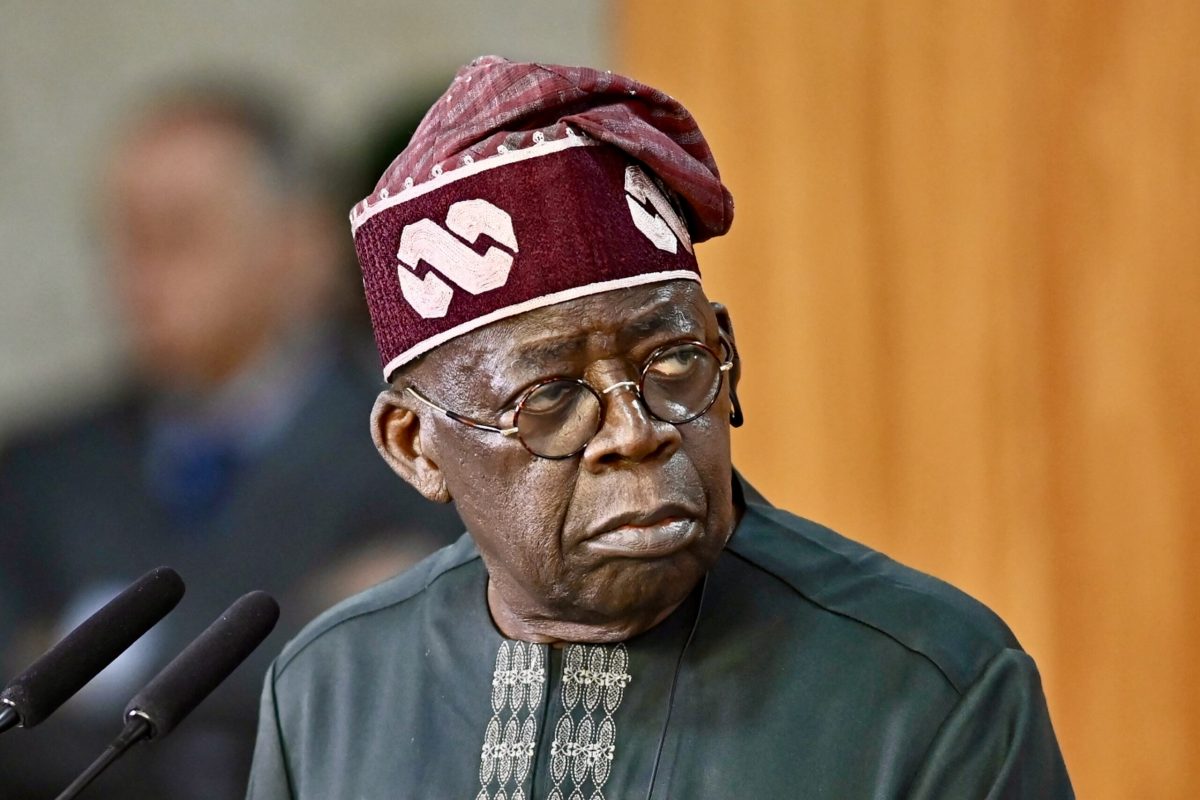
The Economic and Financial Crimes Commission has stepped into what looks set to become one of the most serious public finance scandals of 2025. On 28 August the EFCC detained Mr Sirajo Salisu Usman, a deputy director in the Chairman’s office at the National Hajj Commission of Nigeria and the biological brother of Professor Abdullahi Saleh Usman, the commission’s chairman known as Pakistan.
The detention follows earlier interrogations of senior NAHCON officials as the anti graft agency pursues allegations that more than N50 billion was misappropriated during the 2025 Hajj operation.
According to multiple accounts obtained by frontline reporters the immediate cause of Mr Sirajo’s arrest is his alleged centrality to financial approvals and procurement decisions taken during Professor Pakistan’s tenure.
Colleagues long referred to him by the nickname ka fi chairman, an informal phrase meaning de facto chairman, and insiders say he exercised daily control over memos and approvals, sometimes translating documents for the chairman who was said to rely on him heavily.
The EFCC is now examining whether that informal influence translated into unlawful approvals and contracts.
The sums in question make the investigation grave. Published reports list specific areas of spending that are now subject to forensic review. These include alleged outlays of N25 billion for Masha’ir tents, N1.6 billion attributed to spouse allowances, and roughly N8 billion for contingency accommodation in Makkah that was reportedly never used.
Taken together, those line items form part of the alleged N50 billion plus loss the EFCC is probing. The volume and pattern of the charges suggest systemic procurement anomalies rather than isolated bookkeeping errors.
This crisis must be read against a broader administrative backdrop. NAHCON’s budgetary politics in 2025 were already contentious.
An analysis of NAHCON’s approved budget and internal finance notes flagged inexplicable padding and recurrent capital reallocations that left the commission with a total approved budget substantially smaller than the sums now under scrutiny.
Leadership reported earlier this year on a contested N5 billion padding within the commission’s books, set against an approved allocation of roughly N7.63 billion for the year. That gap raises questions about where supplementary funds came from and how they were authorised.
The Masha’ir contract controversy provides necessary context. In the months preceding the EFCC action NAHCON had engaged supplementary service providers for the Masha’ir operation and publicly defended those steps as emergency measures to protect pilgrims.
NAHCON statements and Saudi service provider reactions were at odds, and outside observers warned that contract splitting and rapid reallocation of services created fertile ground for inflated invoices and double charging.
Premium Times and other outlets documented the contractual confusion and the commission’s public justification for engaging additional vendors.
Investigative lines now being pursued by the EFCC are wide. Operatives have, in recent days, questioned coordinators in Makkah and Madinah, the e tract data team responsible for contract entry and allocations, the Ulama team, the media and national medical teams, as well as heads of aviation and the teams charged with pilgrim dispatch.
Those interviews suggest a methodical effort to map funds from approval to payment. Sources within NAHCON told reporters the commission’s own finance unit described bookkeeping as reflecting considerable financial inefficiency.
For stakeholders the reaction has been swift and stark. State pilgrims welfare boards and civic actors are demanding not merely the removal of the chairman but a full forensic audit, recovery of misappropriated funds and criminal prosecutions where justified.
Internally NAHCON staff reportedly convened a two day emergency board meeting that accused the chairman of breaching procurement laws and of operating as a sole administrator despite directives from the vice president.
Those allegations sit uneasily with earlier public reassurances from the commission that processes were followed.
There are two broader lessons to draw from the unfolding drama. First, emergency operations such as a state organised Hajj are especially vulnerable to procurement failure. The speed required to secure accommodation, transport and services across borders creates opportunities for contract splitting and side arrangements.
Second, where power is concentrated in informal channels, oversight fails. The repeated description of a chairman who relies on a close relative to interpret and sign off documents highlights the systemic risk created when formal delegations of authority are bypassed.
What should happen now is plain. Parliament and the Executive should insist on a full forensic audit published in full, with the results made available to stakeholders and to the public.
If the EFCC uncovers evidence of misappropriation the Attorney General should prosecute without fear or favour.
Simultaneously, NAHCON must be restructured to strengthen internal audit, reduce single person approvals and insulate procurement from patronage.
These reforms would reduce the chance that future pilgrim welfare is compromised by administrative malpractice.
For now the central fact is that a senior NAHCON official with close family ties to the chairman is in EFCC custody and multiple senior officers have been questioned as part of a probe into alleged diversion of over N50 billion in Hajj related funds.
The case will test the anti graft architecture and the government’s willingness to recover public funds and punish those responsible. The pilgrims and the public deserve nothing less.
Follow us on our broadcast channels today!
- WhatsApp: https://whatsapp.com/channel/0029VawZ8TbDDmFT1a1Syg46
- Telegram: https://t.me/atlanticpostchannel
- Facebook: https://www.messenger.com/channel/atlanticpostng