By Editor
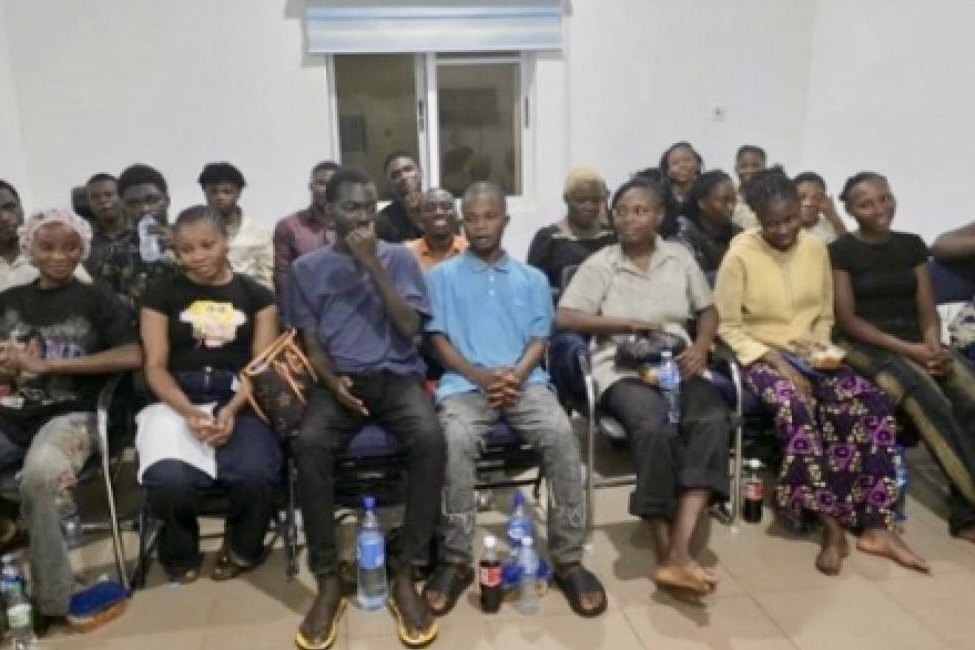
In a turn of events that has stirred diplomatic tensions, six Polish nationals, including students and their lecturer, were arrested by Nigerian security operatives in Kano on August 6, 2024. The individuals were allegedly found waving Russian flags during the ongoing #EndBadGovernance protests, a claim that the Polish government has vehemently denied. This incident has not only sparked a diplomatic row between Nigeria and Poland but also raised critical questions about the role of foreign nationals in domestic protests, the implications for international relations, and the broader context of Nigeria’s internal political struggles.

The Arrest: A Diplomatic Flashpoint
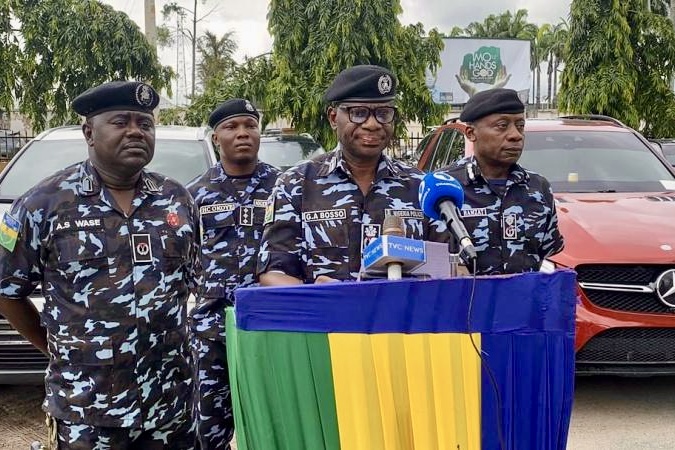
The #EndBadGovernance protests, which have been a series of demonstrations against economic hardship and perceived governmental inefficiencies, have rocked Nigeria for weeks. On August 6, during one such protest in Kano, security operatives arrested several foreign nationals, including six Polish students and their lecturer, along with six Spanish nationals. The Nigerian Department of State Services (DSS) spokesperson, Peter Afunanya, stated that the individuals were detained due to their presence at the protest and for allegedly displaying foreign flags, specifically the Russian flag, an act that Nigerian authorities interpreted as interference in the country’s internal affairs.
However, the Polish government, through its Foreign Ministry and various diplomatic channels, has categorically denied these allegations. According to a report by Polish international news network TVP World, the Polish nationals involved are students of African Studies from the Oriental Studies Faculty at the University of Warsaw, who were in Nigeria as part of an academic exchange program at Bayero University, Kano. The Polish Foreign Ministry insisted that the students did not participate in the protests but were merely taking photos when they were apprehended.
Poland’s Response: A Diplomatic Appeal
In response to the arrests, the Polish government has taken a firm stance, demanding the immediate release of its citizens. Jakub Wisniewski, Poland’s Deputy Foreign Minister, expressed disbelief at the accusations of the students waving Russian flags, describing the claim as “hard to believe.” He emphasized that the primary concern of the Polish government is the safe return of its nationals, urging the Nigerian authorities to expedite the process.
The University of Warsaw, where the detained students are enrolled, has also expressed deep concern over the situation. Anna Modzelewska, the University’s Press Officer, stated that securing the release of the students is the institution’s top priority. The University’s Rector, Alojzy Nowak, is reportedly in direct contact with the detainees, working alongside Polish diplomatic channels to resolve the situation.
Efforts to reach key figures at the University of Warsaw for further comments, including Professor Sławomir Żółtek, responsible for Student Affairs and Quality of Teaching, have been unsuccessful, as calls to his phone went unanswered. This has added to the tension and speculation surrounding the incident, with the Polish media and public expressing growing concern over the safety and treatment of the detained individuals.
Nigeria’s Position: Security First
From the Nigerian government’s perspective, the arrest of the Polish nationals is a matter of national security. The DSS, responsible for internal security, has maintained that the presence of foreign nationals at a protest against the Nigerian government, particularly when they are allegedly displaying the flag of a foreign power like Russia, constitutes a potential threat. This narrative is grounded in the context of Nigeria’s complex geopolitical environment, where foreign influence, particularly from countries like Russia, is viewed with suspicion.
A former Director General of the Nigerian Institute of International Affairs, Professor Bola Akinterinwa, has weighed in on the matter, advising the Polish authorities to exercise patience while the investigation is ongoing. Akinterinwa pointed out that the security forces did not target the university or the students specifically but arrested them because they were found in the vicinity of a protest. He emphasized that it is within Nigeria’s right to conduct a thorough investigation to determine the students’ involvement, if any, in the protest and the alleged flag-waving incident. He also noted the potential diplomatic implications if the Polish government were to demand the release of its nationals without due process, questioning whether Nigeria would extend the same courtesy to its own citizens if they were arrested under similar circumstances abroad.
Bilateral Relations at Stake: The Call for Diplomatic Sensitivity
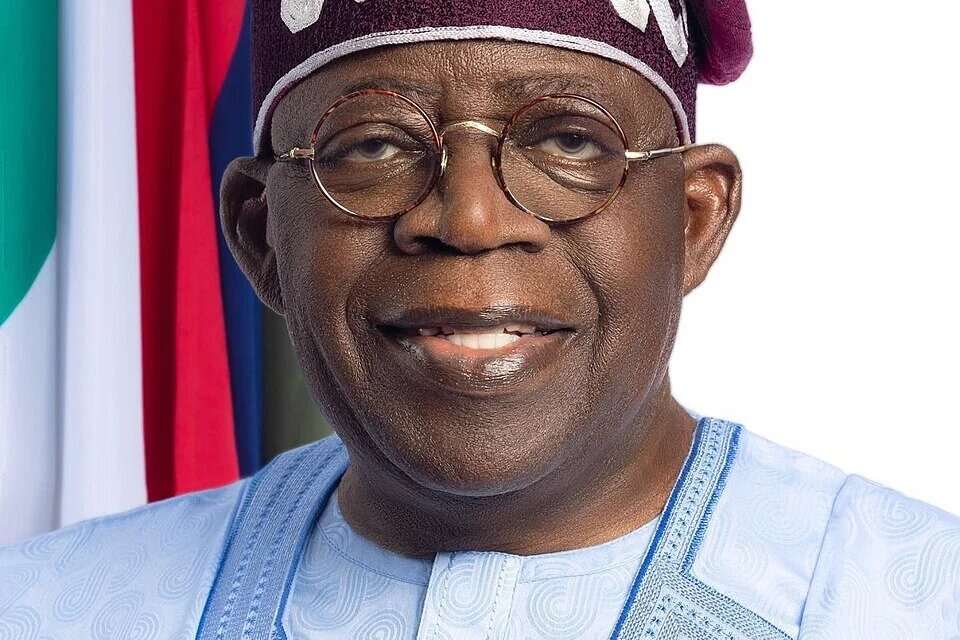
The situation has put bilateral relations between Nigeria and Poland under strain. The Chairman of the All Progressives Congress (APC) in Poland, Omooba Ayoola, has made a public appeal to Nigerian President Bola Tinubu to intervene in the matter. Ayoola, who is based in Warsaw, expressed regret over the incident, describing the students as being “at the wrong place at the wrong time.” He called for their release in the spirit of deepening bilateral academic and cultural cooperation between the two countries.
Ayoola’s statement underscores the broader implications of the incident for Nigeria-Poland relations. Poland has been a growing partner in various sectors, including education, technology, and trade, with several Nigerian students pursuing higher education in Polish institutions. The arrest of Polish nationals in Nigeria, if not handled delicately, could lead to a diplomatic fallout that might affect these areas of cooperation.
Moreover, the involvement of the Russian flag in this scenario adds a layer of complexity, particularly given the current global geopolitical climate. Russia’s influence in Africa has been a contentious issue, with many African countries balancing their relationships with Western powers and emerging powers like Russia and China. The Nigerian government’s reaction to the alleged display of the Russian flag can be seen as a reflection of its cautious approach to foreign influence within its borders.
The Broader Context: Foreign Nationals and Nigerian Protests
The arrest of foreign nationals during the #EndBadGovernance protests brings to light the broader issue of the role and safety of foreigners in Nigeria, particularly in times of political unrest. Nigeria, as one of Africa’s most populous and economically significant countries, attracts a large number of foreign nationals for business, education, and tourism. However, the country’s volatile political landscape, characterized by frequent protests and security challenges, poses significant risks for these foreigners.
The Nigerian government has a responsibility to ensure the safety of all residents, including foreign nationals. However, this responsibility must be balanced with the need to maintain public order and national security. The presence of foreigners in areas of political unrest, whether intentional or accidental, complicates the situation. For the Polish students and their lecturer, their involvement in the protest may have been unintended, but the Nigerian security forces’ actions reflect a broader concern about foreign interference in domestic affairs.
The incident also raises questions about the responsibilities of educational institutions and governments in ensuring the safety of their citizens abroad. The University of Warsaw’s involvement in securing the release of its students highlights the role that academic institutions must play in protecting their students during international exchange programs. It also points to the need for clearer guidelines and communication between educational institutions and host countries to prevent such incidents from occurring.
Public Opinion: A Divided Response
Public reaction to the arrest of the Polish nationals has been mixed, reflecting the polarized nature of Nigerian society. On one hand, there is sympathy for the students, with many Nigerians recognizing the harsh conditions they may be facing in detention. The academic community, in particular, has expressed concern over the potential impact on international educational exchanges and the reputation of Nigerian universities.
On the other hand, there is a strong undercurrent of nationalism, with some segments of the population supporting the government’s actions. These individuals argue that foreign nationals, especially from Western countries, should not involve themselves in Nigeria’s internal affairs, whether intentionally or unintentionally. The presence of the Russian flag in this context has further inflamed nationalist sentiments, with some seeing it as a sign of foreign meddling in Nigeria’s sovereignty.
This division in public opinion reflects the broader challenges facing Nigeria as it navigates its place in the global community. As the country continues to grapple with economic hardship, political unrest, and security challenges, its interactions with the international community will be closely scrutinized by both its citizens and the world at large.
The Role of the Media: Shaping the Narrative
The media has played a significant role in the unfolding of this incident, both in Nigeria and Poland. In Nigeria, the arrest of the Polish nationals has been covered extensively, with varying degrees of sensationalism. Some media outlets have focused on the potential threat posed by foreign nationals in domestic protests, while others have emphasized the diplomatic implications and the need for a careful and measured response.
In Poland, the media has largely taken a sympathetic stance towards the detained students, portraying them as victims of unfortunate circumstances. The narrative in Polish media has been one of urgency, with calls for the swift release of the students and concerns about their well-being in Nigerian detention facilities. This coverage has put additional pressure on the Polish government to act quickly and decisively to secure their release.
The way the media has shaped the narrative on both sides of this incident highlights the power of media in influencing public opinion and diplomatic relations. For Nigeria, the challenge will be to manage the domestic and international narrative in a way that upholds its sovereignty while also addressing the legitimate concerns of the Polish government and the international community.
Conclusion: Navigating a Diplomatic Minefield
The arrest of Polish nationals during the #EndBadGovernance protests in Kano has opened up a diplomatic minefield for both Nigeria and Poland. As the situation unfolds, both countries will need to navigate this delicate issue with caution, balancing national security concerns with the principles of diplomacy and international cooperation.
For Nigeria, the incident is a reminder of the complexities involved in managing domestic protests, particularly in a globalized world where foreign nationals are increasingly present in such contexts. The government’s handling of this case will be closely watched, both at home and abroad, as a test of its commitment to upholding the rule of law and protecting the rights of all individuals within its borders.
For Poland, the priority remains the safe return of its citizens, but the incident also underscores the risks associated with international educational exchanges in politically unstable regions. The Polish government’s response will need to be measured, ensuring the safety of its nationals while maintaining a constructive relationship with Nigeria.
As both countries work towards resolving this issue, the broader implications for Nigeria-Poland relations and the role of foreign nationals in Nigerian protests will continue to be a subject of intense scrutiny and debate. The outcome of this incident will not only affect the individuals involved but could also shape the future of diplomatic and academic exchanges between Nigeria and the international community.