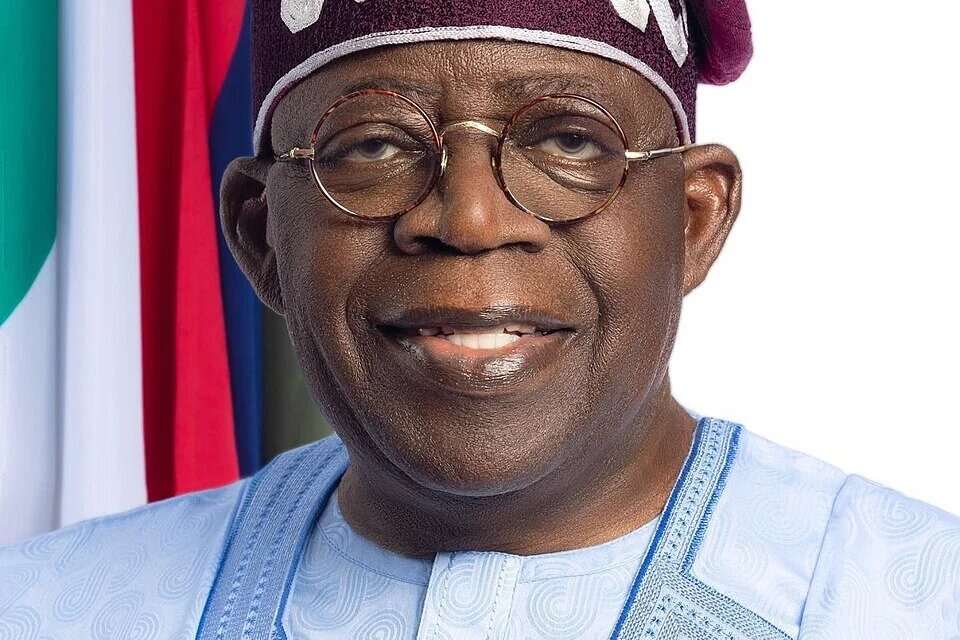
The Independent National Electoral Commission (INEC) has been forced into another public credibility battle after a viral claim on X alleged that its Chairman, Prof. Joash Ojo Amupitan, owned a personal account on the platform and had previously endorsed a partisan post.
INEC has rejected the allegation as “entirely baseless”, insisting that the chairman does not operate any personal X account and has never engaged in partisan commentary.
The row has now widened after the African Democratic Congress (ADC) demanded Amupitan’s resignation and threatened petitions to foreign governments, the Nigerian Bar Association and other institutions.
What makes the episode politically combustible is not just the allegation itself, but the timing. INEC says the attack is a “malicious and coordinated campaign of calumny” designed to undermine the neutrality of its leadership while the commission is focused on electoral reforms and preparations for upcoming polls.
That language is not accidental. In a country where confidence in the electoral umpire remains fragile, even an unverified social media trail can become a political weapon if it appears to touch the referee’s impartiality.
According to the statement issued by Adedayo Oketola, INEC’s Chief Press Secretary and Media Adviser to the Chairman, the commission said the claim about a partisan X post was false, fabricated and mischievous.
It added that Amupitan does not own or operate any personal account on X, and that he has not associated himself with any political leaning in his private or public capacity.
INEC also warned that fake accounts in the chairman’s name have been used to scam Nigerians, saying some had already been reported to security agencies.
This is not the first time Amupitan’s profile has become part of a larger contest over electoral trust.
He was appointed by President Bola Ahmed Tinubu in October 2025, approved by the National Council of State and later sworn in as INEC Chairman on 23 October 2025.
Official INEC records describe him as a professor, legal practitioner and administrator who took office with a mandate to strengthen transparency and electoral credibility.
That background matters because the opposition is not merely attacking a man, but the institutional image attached to him.
The ADC has chosen to escalate rather than de-escalate. In a statement reported on Saturday, its spokesperson, Bolaji Abdullahi, said the party would petition foreign governments, the NBA and other relevant bodies, and pressed for Amupitan’s immediate resignation.
Abdullahi argued that an electoral umpire must not only be independent but also be seen to be independent, saying the disputed digital trail amounted to a “grave affront” to electoral integrity. The party’s line is clear: in its view, perception alone is enough to demand exit.
That is where the real danger lies. Nigeria’s political class has increasingly moved from testing ideas in the public square to weaponising digital fragments, screenshots and alleged archives in order to shape narratives before facts are settled.
INEC’s response suggests it believes this episode is part of a broader impersonation problem, not a genuine disclosure about its chairman.
The commission says cybercriminals have been “on the prowl”, using fake accounts in Amupitan’s name to defraud the public, and that it is working with security and cyber-intelligence units to track the culprits.
The legal threat INEC is now deploying is also significant. The commission says identity theft and forged or manipulated online interactions are offences under Nigeria’s Cybercrimes Act, and that those behind the impersonation will be tracked and prosecuted.
In practical terms, that means the dispute may soon move from the politics of accusation into the harder terrain of digital forensics, platform records and law-enforcement verification.
If INEC is serious, the next phase should not be loud press statements alone but a traceable evidentiary trail that can survive public scrutiny.
For now, the public has two competing narratives. INEC says the chairman has no X account, has not backed any partisan position and is being targeted by digital imposters.
The ADC says the evidence is damaging enough to justify immediate resignation and wider institutional petitioning.
What is missing in the middle is an independently verified record of the alleged post, the account history behind it, and the technical chain that links any digital artefact to a real person. Until that evidence is placed in the open, the controversy remains a political storm built on a disputed online footprint.
The wider lesson is uncomfortable but unavoidable. Nigeria’s electoral credibility is now vulnerable not only to ballot box disputes, but also to the politics of digital impersonation, manufactured screenshots and rapid-fire partisan amplification.
INEC is right to defend its institutional reputation. The ADC is right to ask hard questions about impartiality. But the country will be poorly served if public judgment is rushed ahead of verified evidence.
In a democratic system already burdened by suspicion, the line between accountability and misinformation has to be drawn with precision, not propaganda.
Follow us on our broadcast channels today!
- WhatsApp: https://whatsapp.com/channel/0029VawZ8TbDDmFT1a1Syg46
- Telegram: https://t.me/atlanticpostchannel
- Facebook: https://www.messenger.com/channel/atlanticpostng