By Editor
ABUJA, Nigeria — The Nigerian power sector is on the cusp of another significant crisis, as the spectre of a tariff hike looms large over electricity consumers nationwide. With the government’s subsidy to the power sector ballooning to an astronomical ₦181.63 billion in September 2024, there is mounting concern that a fresh wave of tariff increases may soon hit Nigerians already grappling with the crushing weight of economic hardship.

The escalating costs, driven primarily by a deteriorating exchange rate and rising inflation, have prompted fears of yet another blow to households and businesses. Consumers in Band A feeders, who already face some of the steepest electricity tariffs, are expected to bear the brunt of this impending hike. As Nigeria’s electricity subsidy reaches unsustainable levels, the consequences for the broader economy, political stability, and the everyday Nigerian citizen are far-reaching.
Power Sector Subsidy Soars Amidst Exchange Rate Crisis
At the heart of the brewing storm is the sharp rise in electricity subsidy, which jumped from ₦140.7 billion in April 2024 to a staggering ₦181.63 billion by September. This surge is largely attributed to Nigeria’s deepening foreign exchange crisis, which has sent shockwaves through the power sector. The Nigerian Electricity Regulatory Commission (NERC) data reveals that the naira-to-dollar exchange rate, which stood at ₦1,494.10 in July, ballooned to ₦1,601.50 in September. As the local currency continues to plummet, the cost of generating electricity in Nigeria has become increasingly burdensome.
Inflationary pressures are also exacerbating the problem. With the Nigerian inflation rate hitting 33.40% in July, the operational costs of power generation and distribution have soared, pushing subsidies even higher. Given the direct correlation between exchange rates, inflation, and power production costs, many experts believe that a further increase in electricity tariffs is inevitable, unless there is a significant reversal in Nigeria’s economic trajectory.
Tariff Hikes for Band A Consumers: A Disproportionate Burden
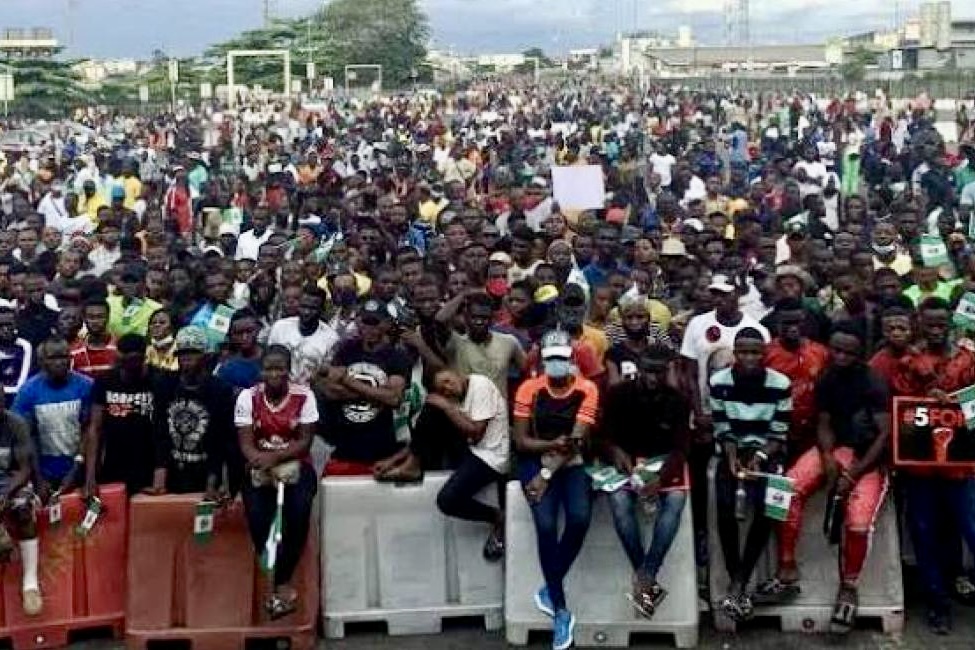
Electricity consumers on Band A feeders, who enjoy a minimum of 20 hours of power daily, have been at the centre of the subsidy removal debate since April 2024. The NERC’s decision to raise tariffs for these consumers, from ₦206.80/kWh in May to ₦225/kWh, has generated significant backlash, particularly from labor unions, educational institutions, and healthcare facilities. These increases have tripled electricity bills for many, leading to widespread discontent and protests.
Now, with subsidies soaring once again, speculation is rife that the October Multi-Year Tariff Order (MYTO) will see further tariff adjustments for Band A customers. According to the MYTO framework, the NERC adjusts tariffs based on several factors outside the control of power companies, including inflation, exchange rates, and gas prices. Given the current economic environment, it is almost certain that the next round of tariff adjustments will leave Nigerian consumers paying even more for electricity.
For Band A consumers, this impending hike represents an additional layer of economic hardship, particularly in a country where access to affordable and reliable electricity remains a key challenge. Households already struggling with skyrocketing food and fuel prices are now expected to shoulder a heavier financial burden for power – a move that could deepen economic inequality and worsen the standard of living for millions of Nigerians.
Government’s Silence on New Tariffs Fuels Uncertainty
Despite the clear signals that another tariff increase is imminent, the Federal Government has remained conspicuously silent on the matter. This silence has only fuelled speculation and anxiety among consumers, who are bracing for a sharp rise in electricity bills. Insiders suggest that the government is hesitant to announce a new round of tariff hikes, given the current economic conditions and the potential for widespread public backlash.
Nigeria’s power sector has long been marred by inefficiencies, poor infrastructure, and a lack of accountability. The failure to implement cost-reflective tariffs in many areas has further strained the sector’s ability to operate effectively. This has left power distribution companies (Discos) and other stakeholders in a perpetual state of financial instability, with many calling for the complete removal of subsidies across all consumer bands.
Discos Call for Comprehensive Tariff Reforms
Nigeria’s electricity distribution companies are now facing their own existential crisis. As the cost of power generation continues to rise, many Discos are finding it increasingly difficult to maintain financial viability. The NERC data reveals that despite the rising cost of power generation, the allowed tariffs for end-users in July, August, and September remained unchanged at ₦117.31/kWh – a move that has drawn sharp criticism from industry insiders.
According to one senior official within a Disco, who spoke on condition of anonymity, the current tariff structure is unsustainable. “As it is now, we are operating at a loss,” the official lamented. “Yes, they supply more power, but this problem could be solved with improved tariff for the other bands and more meter penetration to recover the cost.”
The situation has become so dire that some Discos are now refusing to off-take electricity allocated to them from the grid, further exacerbating Nigeria’s chronic power shortages. Discos argue that the tariffs imposed on other consumer bands are non-reflective of the true cost of delivering power, leading to significant revenue shortfalls and operational difficulties. They insist that without comprehensive tariff reforms, the sector will remain in perpetual crisis.
Minister of Power: Generation Surges, But Discos Reject Supply
The crisis in Nigeria’s power sector reached new heights when the Minister of Power, Adebayo Adelabu, recently disclosed that electricity generation had peaked above 5,000 megawatts. However, this achievement was marred by the shocking revelation that Discos were rejecting the additional supply. According to the Minister, Discos rejected 1,400MW of electricity due to their inability to off-take the supply, a move that the Minister described as “regrettable.”
“This is really regrettable considering that the government is on course to increase generation to 6,000MW by the end of the year,” Adelabu lamented.
The rejection of power by Discos raises serious questions about the sustainability of Nigeria’s electricity sector. While the government is making strides in increasing generation capacity, the distribution arm of the value chain remains severely hamstrung by financial constraints, poor infrastructure, and the lack of a cost-reflective tariff structure.
The Larger Economic Implications
The looming electricity tariff hike has far-reaching implications for the Nigerian economy. For one, businesses that rely heavily on electricity to operate, particularly in the manufacturing and service sectors, will face increased costs, potentially leading to higher prices for goods and services. This could, in turn, fuel inflationary pressures and further erode the purchasing power of ordinary Nigerians.
Moreover, the persistent power sector crisis undermines investor confidence. For years, Nigeria has struggled to attract the level of foreign direct investment (FDI) necessary to overhaul its crumbling infrastructure. The uncertainty surrounding tariffs, coupled with the inefficiencies in the sector, has deterred investors from committing to long-term projects in Nigeria’s power industry. Without significant reforms, the sector risks falling into deeper dysfunction, further hindering economic growth and development.
Conclusion: A Need for Immediate Action
As Nigeria faces the prospect of another electricity tariff hike, the government must take decisive action to address the root causes of the crisis. The current model, which relies on heavy subsidies and non-cost-reflective tariffs, is simply unsustainable. Comprehensive reforms are needed to stabilise the sector, improve power distribution, and ensure that consumers are not unduly burdened.
At the same time, the government must prioritise the protection of vulnerable populations, ensuring that any tariff increases are accompanied by targeted subsidies or social safety nets for low-income households. Failure to do so could spark widespread unrest and further destabilise Nigeria’s already fragile economy.
For now, Nigerians wait with bated breath, knowing that the next electricity bill may very well be their breaking point.
With reporting from Taiwo Adebowale, Senior Business Correspondent, Atlantic Post.