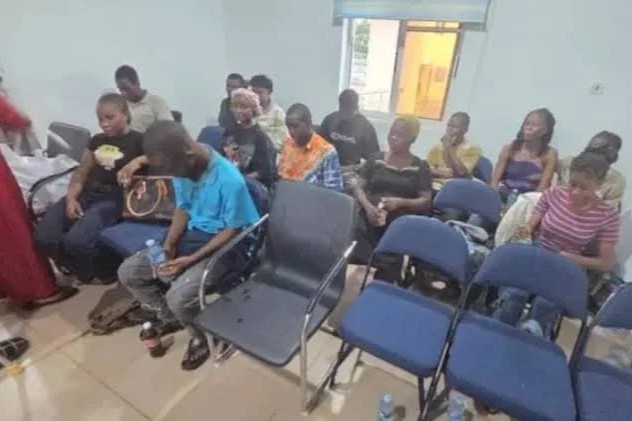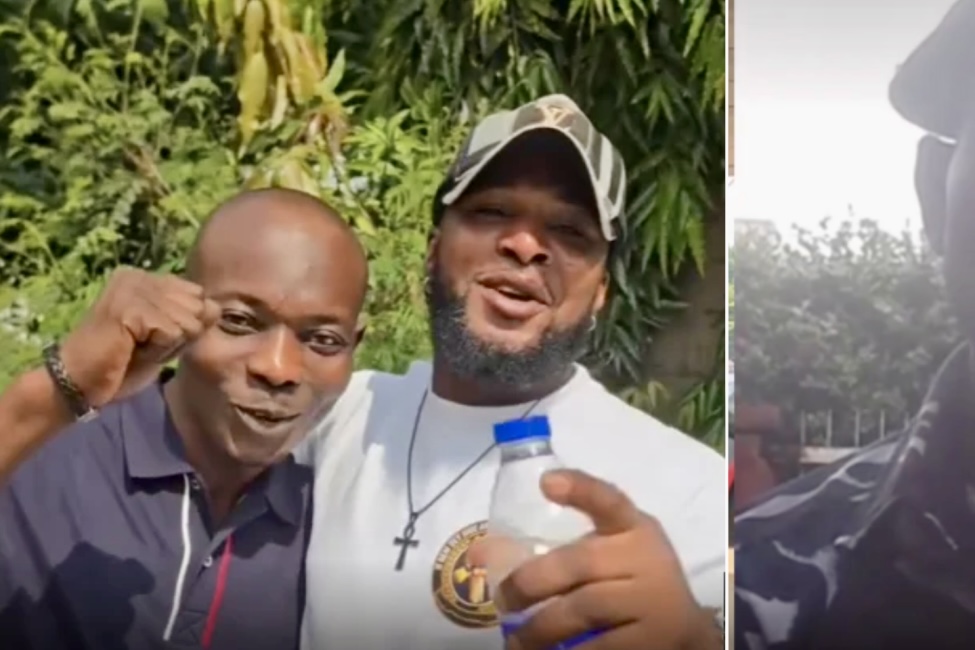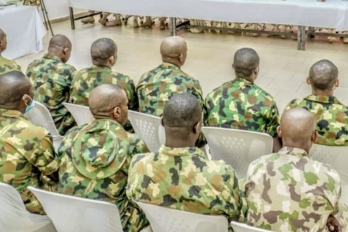
Fresh and disturbing allegations surrounding the detention of 36 Nigerian military personnel accused of plotting to overthrow President Bola Tinubu have thrown the country’s controversial coup case into yet another storm, with wives of some of the detained officers alleging starvation, torture, loss of sight, lung complications and severe psychological trauma.
The allegations, first amplified by SaharaReporters on Sunday, land at a moment when the wider case is already under scrutiny because of reported objections over the court’s handling of evidence and claims that the process has been prejudged.
The women, speaking separately, alleged that their husbands have endured months of confinement under harsh conditions while awaiting trial before a General Court-Martial.
Their central complaint is not merely that the men are being held, but that the conditions of detention may be causing lasting harm.
One wife said her husband was “starved for about four days”, alleging that the first set of arrested officers were kept on water alone.
Another described a pattern of prolonged deprivation and suffocating underground confinement, saying the men were denied proper ventilation and left to breathe in stifling conditions for long periods.
These claims are allegations from family members and have not yet been independently verified in the material reviewed here.
The most serious allegations concern health. According to the wives, several detainees are now showing signs of worsening eyesight, respiratory illness, high blood pressure and other complications.
One woman alleged that some of the men “can no longer see properly” and now struggle to read, even with ordinary print. Another said military doctors later supplied prescription glasses, which she argued was proof that the authorities were aware of the damage.
If accurate, such allegations would raise immediate questions about detention standards, medical access and compliance with basic welfare obligations for service personnel in custody.
There is also a darker allegation about the detention environment itself. The wives claimed the facility is underground and depends on central air-conditioning for ventilation, with electricity allegedly switched off as punishment.
In their telling, this leaves detainees coughing, choking and gasping for air because there are no windows and no fresh air source. Those are grave claims because they go beyond ordinary custodial hardship and point to possible inhumane treatment.
For now, however, they remain claims made by relatives speaking to the media, and the public record seen here does not include an official response directly addressing those specific allegations.
The case has become more combustible because it is unfolding alongside fresh legal controversy inside the court-martial process. SaharaReporters also reported that the court-martial president had declared a “prima facie case” against the accused before the prosecution called witnesses or tendered evidence, an allegation that defence lawyers say amounts to prejudging the matter.
That concern echoes earlier reporting by other outlets showing that the admissibility of defendants’ statements has already become a major battleground.
In May, the defence challenged the voluntariness of written statements, citing the Anti-Torture Act 2017 and sections 15 and 17 of the Administration of Criminal Justice Act. The prosecution, according to Premium Times, replied that it was “not afraid of a trial-within-trial”.
That legal fight matters because the state has already publicly taken the position that a coup plot was uncovered.
The Nigeria Defence Headquarters said officers found culpable would be arraigned before a military judicial panel, while AP reported that at least 16 officers were initially arrested in 2025 over what the military first described as “acts of indiscipline and breaches of service regulations” before later saying investigations had revealed a plot against the Tinubu government.
AP also reported that the authorities said the accused conspired to “levy war against the state”.
This is why the families’ intervention is politically sensitive. For months, wives and relatives of the detained officers have been pressing for transparency, open trial and access to their loved ones.
Punch reported in April that the families were already demanding justice, while later reporting in May showed them warning against convictions without credible evidence and appealing directly to President Tinubu for fairness.
The latest allegations now shift the focus from procedure alone to the physical and mental condition of the detainees themselves. If the claims are substantiated, they would deepen the public’s suspicion that the case is being managed with excessive secrecy and without adequate regard for due process.
The bigger national security issue is that the case is no longer just about an alleged conspiracy. It is now also about whether the state can prosecute a politically explosive military matter without appearing to punish suspects before judgment.
Nigeria has a long and painful history with coups, and the Tinubu administration is understandably sensitive to any suggestion of disloyalty inside the ranks.
But that sensitivity does not remove the obligation to protect detainees, preserve evidence properly and maintain confidence in the tribunal.
If the defence can credibly show that statements were obtained under coercion, or that detention conditions have damaged the accused, the case could become as much about process as about conspiracy.
For now, the allegations demand answers. Were the detainees starved? Were they denied adequate air, light and medical care? Why were glasses reportedly issued by military doctors if eyesight damage was not a concern? And did the court-martial signal its conclusions before hearing the full evidence?
Until the authorities address those questions directly, the coup trial will remain under a cloud of suspicion, with the wives of the accused now emerging as the most forceful witnesses to what they say has been months of hidden suffering.
- WhatsApp: https://whatsapp.com/channel/0029VawZ8TbDDmFT1a1Syg46
- Telegram: https://t.me/atlanticpostchannel
- Facebook: https://www.messenger.com/channel/atlanticpostng