The Federal High Court in Lokoja has hauled the Nigeria Democratic Congress back into legal limbo after setting aside its own December 10, 2025 judgment that ordered the Independent National Electoral Commission to register the party.
In a ruling delivered on Friday, Justice Isah Dashen held that the earlier decision was made without hearing all the parties whose rights and interests were directly affected, a defect he treated as fatal to the process.
The court’s decision does more than merely pause the NDC’s political ambitions. It effectively restores the position that existed before the now-vacated ruling, while directing that the substantive matter start afresh with INEC, the NDC and the Peace Movement Party joined as parties.
In legal terms, that means the earlier recognition, registration and any steps taken pursuant to it are no longer safe until the court reaches a fresh determination after hearing everyone concerned.
At the centre of the dispute is the PMP’s claim that it had a legal stake in the matter and should have been joined before judgment was entered. The court accepted that argument, agreeing that the party was a necessary party and that excluding it amounted to a denial of fair hearing.
Justice Dashen also found that material facts were not fully disclosed during the first round of proceedings, strengthening the case for vacating the earlier order.
The applicant’s counsel, Chikezie Ekeocha, said the PMP went to court after discovering that the NDC’s registration was linked to a logo it had previously submitted to INEC before the original suit was filed.
He told journalists that the court had effectively returned the parties to the pre-judgment position and required all necessary parties to be joined so that the dispute could be completely determined. He added: “The matter has not been concluded.”
Ekeocha went further, arguing that every administrative step taken by INEC under the now-vacated judgment should fall away.
His position, as reported, is that the recognition of the NDC, the certificate of registration, the inclusion of the party in INEC records, and any appearance on ballot papers flowing from the judgment must all be withdrawn until the substantive case is finally resolved.
That is a significant claim, because it places INEC’s compliance record under renewed scrutiny and raises the possibility of fresh administrative reversal if the court’s final position remains unchanged.
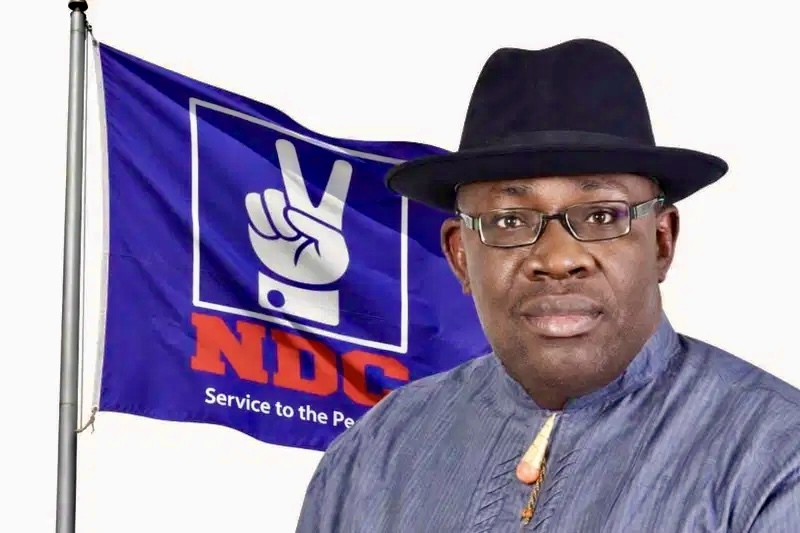
For the NDC, the ruling is a severe but not final setback. The party’s National Publicity Secretary, Osa Director, said the organisation would not surrender its legal fight and would study the ruling before deciding its next step.
“We are waiting to see the text of the judgment, study it and exercise our right to appeal,” he said.
The party is therefore signalling that this dispute may yet move into another courtroom battle, likely prolonging uncertainty over its status.
The case also exposes wider questions about how political party registration is being handled in the current electoral cycle.
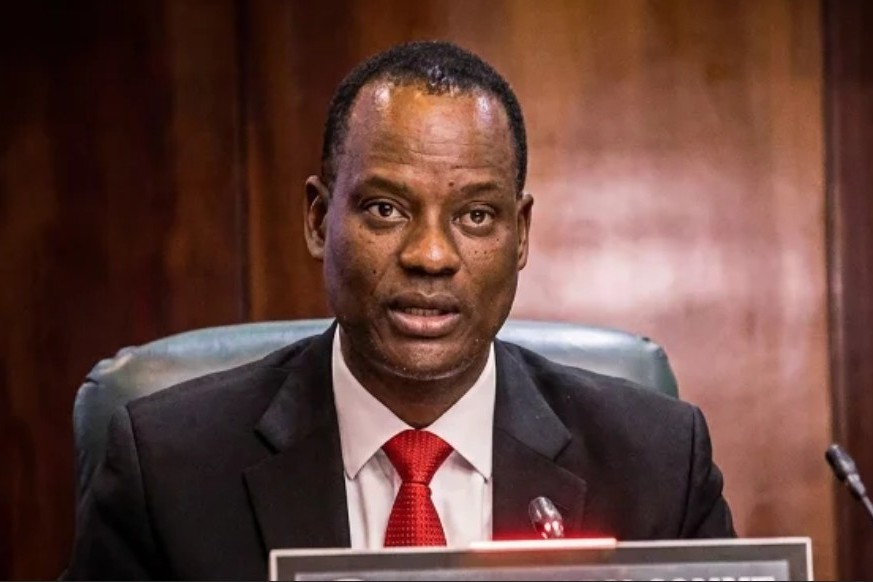
On February 5, 2026, INEC chairman Joash Amupitan said only two of eight associations had qualified for final assessment and verification of due compliance with the Constitution and the Electoral Act, yet the NDC was later registered anyway, according to reporting on the matter.
That sequence suggests that the dispute is not only about one party’s logo or one judge’s ruling, but also about the internal integrity of INEC’s registration process and the completeness of the records placed before the court.
What makes this ruling especially consequential is that it does not settle the underlying contest. Instead, it reopens it with stricter procedural safeguards, meaning the court has chosen due process over speed.
In practical terms, the NDC remains in a vulnerable position until the fresh hearing is concluded, while INEC must now navigate the possibility that its earlier compliance may be unwound if the fresh proceedings go against the party.
That is why this is more than a technical ruling: it is a reminder that in Nigeria’s election litigation, omission of a necessary party can collapse an apparently finished case.
The broader political significance is clear. Party registration is not merely clerical work; it determines who can legally contest, campaign and seek recognition in a crowded political arena. By sending the matter back for a fresh hearing, the Lokoja court has made due process the gatekeeper once again.
For INEC, the lesson is stark. Any shortcut in a dispute involving party identity, symbol ownership or registration rights can return later as a constitutional problem, a public embarrassment, and a fresh round of litigation.
Follow us on our broadcast channels today!
- WhatsApp: https://whatsapp.com/channel/0029VawZ8TbDDmFT1a1Syg46
- Telegram: https://t.me/atlanticpostchannel
- Facebook: https://www.messenger.com/channel/atlanticpostng