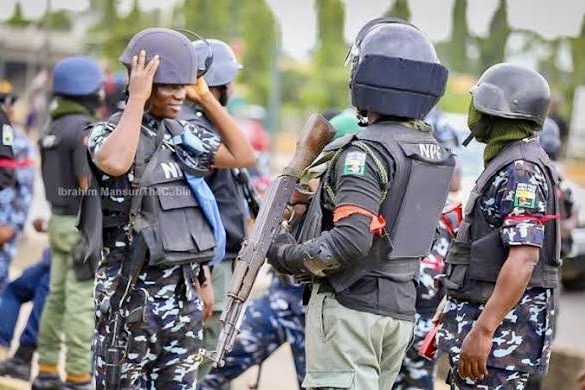
Mohammed Badaru Abubakar has described as malicious a viral claim that he resigned because he “cannot stand and watch the US and Tinubu government bombing our brothers in the forest.”
In a formal rejoinder published on 3 December 2025, the immediate past minister of defence moved swiftly. The aim was to extinguish a combustible narrative. This narrative threatened to set the national conversation ablaze.
He insists the allegation did not originate from him or any authorised representative. He states that his reasons for stepping down were properly communicated to the President and to the public.
The denial arrives at a politically sensitive moment. President Bola Ahmed Tinubu has already moved to nominate former army chief Gen Christopher Musa as Badaru’s successor. This decision is framed domestically as a bid to steady defence leadership amid rising violence.
The nomination underlines the administration’s intent to project control and continuity at a time when insecurity metrics remain alarming.
Context matters. Nigeria continues to register high conflict mortality and escalating humanitarian strain. A recent ACAPS assessment recorded the North East as the deadliest zone with thousands of fatalities in 2024. Additionally, ACLED’s Nigeria index ranks the country in the extreme conflict category.
Amnesty International and other monitors document sustained waves of killings. There are disappearances and state and non-state excesses across zones, including the South East. These are the hard realities that shape public suspicion and political rumour.
That environment explains why the brief and lurid phrasing of the viral claim spread so fast. Social media amplifies suspicion. International diplomatic pressure adds fuel.
Washington has announced visa restrictions for individuals implicated in mass violence against Christians. The US administration has been vocal on religious freedom in Nigeria.
Such developments create a climate in which unverified assertions about foreign strikes or secret deals gain traction.
A measured reading suggests three points. Initial resignations by senior ministers in troubled democracies often face contestation. They are interpreted as political messaging rather than just administrative acts.
Second conspiracy narratives flourish where state transparency is thin and insecurity is high. Third, the state and media have a duty. They must verify claims before amplifying them. This is crucial to prevent inflaming communal tensions or imperiling national security.
Badaru’s categorical denial will not by itself close the chapter on speculation. But it does force a recalibration. Rather than trading in sensational allegations, commentators and editors should insist on documentary evidence and official channels.
The cost of not doing so is plain. When rumours meet entrenched fear the consequences are measurable in lives displaced and communities further polarised. The responsible press must thus treat incendiary claims with the scepticism that the moment demands.
Follow us on our broadcast channels today!
- WhatsApp: https://whatsapp.com/channel/0029VawZ8TbDDmFT1a1Syg46
- Telegram: https://t.me/atlanticpostchannel
- Facebook: https://www.messenger.com/channel/atlanticpostng