President Bola Tinubu announced a 30-day petrol price cut of ₦66 per litre at NNPC stations, citing global oil shocks and pledging relief for consumers. The government’s official line was that NNPC Retail would forgo its usual profit margin (under 5% of the pump price) as a one-month support measure. Finance Minister Taiwo Oyedele stressed that this discount is financed by the company itself, not by taxpayer funds – and is “neither a subsidy nor a price control”. A Presidency press release underscored that selling at cost “must not be misinterpreted as the restoration of petrol subsidy, which ended on May 29, 2023”.
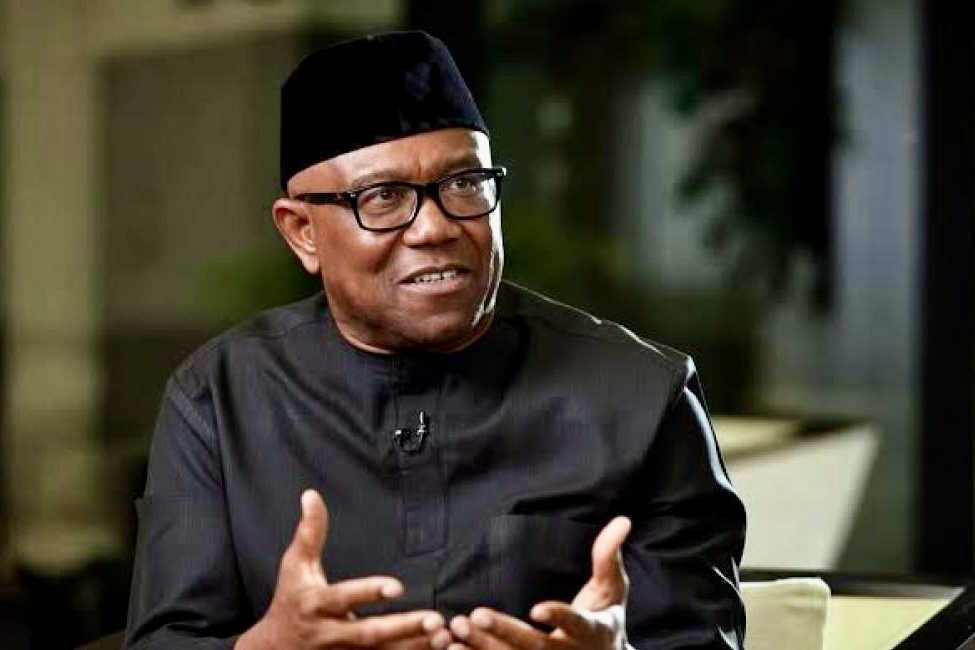
Obi’s counter-arguments – Opposition candidate Peter Obi sharply rejected the cut as a shallow stunt. He called it “another very reactive and confused approach to governance” by the APC government and warned it merely substitutes “political optics for sound policy”. Obi noted that ₦66 off per litre is less than 5% of the petrol price, hardly enough to dent the soaring cost of living. He questioned whether this one-month reprieve would meaningfully reduce poverty, unemployment or insecurity in Nigeria.
- Tiny relief: The N66 cut is minuscule compared to average pump prices, and so far applies only to premium NNPC-branded stations.
- Timing and sequence: Obi argued that subsidy removal (in May 2023), naira unification and tax changes were done without proper study, stoking inflation. By late 2024, headline inflation hit ~34.6% – up from ~22.4% at Tinubu’s inauguration – a surge widely blamed on those policy shifts.
- No impact study: The NDC candidate lamented that the government failed to publish a regulatory impact assessment before or after these measures. “Instead of knee-jerk policies, there should have been stakeholder consultation and detailed impact analysis,” he said.
- Limited reach: Crucially, the discount is available only at NNPC retail outlets. NNPC itself admits it operates just “over 900” retail stations nationwide – a small fraction of Nigeria’s total fuel market. In practice, this means millions of Nigerians must travel farther or wait longer to access the couponed price. (By Obi’s rough math, that left about 243 million people vying for savings at ~900 pumps.)
Obi pressed: “What happens to the family whose nearest NNPC station is miles away? What if a station runs out of petrol?” He argued the policy’s limited coverage makes it ill-suited to solve broad hardship. Calling the refund scheme “plain political optics”, he declared Nigerians are “tired of those gimmicks” and want “real change.”
Economic fallout and public outcry – Critics point out that the price cut does little to reverse the pain already inflicted. Official data show that transport fares jumped 77% in one year after subsidies were scrapped, and the “average citizen is struggling under inflation and high food costs”. A Guardian editorial lamented that promises of relief have so far yielded only “podium rhetoric”. In this context, Obi’s skepticism strikes a chord: the ₦66 discount is not a silver bullet for Nigeria’s economic woes.
Government’s broader message – The Tinubu administration insists on staying the course with reforms. Apart from the temporary fuel cut, it has rolled out measures like CNG buses, eventual price ceilings and increased support for vulnerable households. The Presidency argues that fully reinstating blanket subsidies would create “longer-term harm for a short-term cure”. In summary, officials maintain that the fuel discount is a tactical cushion – part of a package of steps to stabilise prices – not a return to subsidy-era policies.
Analysts weigh in – Energy and economic experts note that Obi’s critique holds water on several counts. The ₦66 cut is indeed a tiny fraction of the post-subsidy pump price, and its benefit to most Nigerians is limited by the narrow outlet coverage. Commentators also warn that without addressing currency devaluation and structural issues, short-term giveaways can’t curb inflation. However, some concede the government’s approach at least avoids immediate fiscal strain – unlike a reopened subsidy – and could briefly ease pressure on transport costs.
The political dimensions – The timing ahead of the 2027 elections has not gone unnoticed. Obi himself raised the prospect that the discount could be a test balloon for whether to reinstate subsidies. Meanwhile, supporters of the ruling party view it as a goodwill gesture. Either way, the policy became part of the wider debate on Nigeria’s energy future. As Obi promised more detailed policy papers from his camp, the key question remains: can Nigeria balance fiscal prudence with the urgent need to shield its citizens from higher fuel costs?
Follow us on our broadcast channels today!
- WhatsApp: https://whatsapp.com/channel/0029VawZ8TbDDmFT1a1Syg46
- Telegram: https://t.me/atlanticpostchannel
- Facebook: https://www.messenger.com/channel/atlanticpostng

Join the debate; let’s know your opinion.