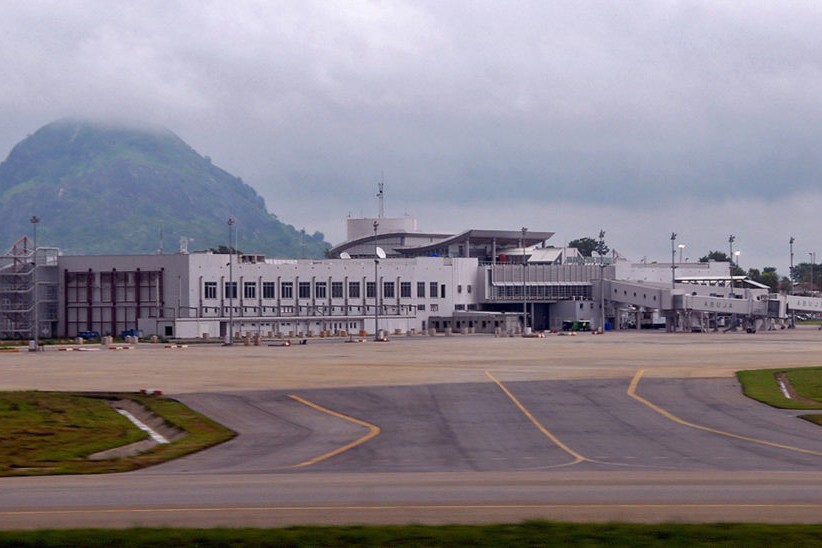
The Warri Refining and Petrochemical Company Limited (WRPC) has resumed operations, a development that has ignited hopes of reduced fuel prices and a resurgence of Nigeria’s refining capacity. This comes amid prolonged criticisms of the nation’s dependency on imported refined petroleum products, which have drained foreign reserves and stifled economic growth. However, beyond the celebratory tones of government officials, the resumption of operations at the Warri refinery raises critical questions about sustainability, transparency, and the larger implications for Nigeria’s oil and gas sector.
The Nigerian National Petroleum Company Limited (NNPCL) announced the partial reopening of the 125,000 barrels-per-day Warri refinery on Monday. President Bola Ahmed Tinubu heralded the development as a “remarkable achievement,” aligning it with his administration’s vision of transforming Nigeria into a net exporter of refined petroleum products. But can this milestone genuinely revamp an industry plagued by inefficiencies and corruption?
A Symbol of National Revival or a Temporary Fix?
The Warri refinery, which was inaugurated in 1978, has long been a symbol of Nigeria’s industrial aspirations. Designed to cater to the southern and southwestern markets, its decline over the decades mirrored the broader collapse of the country’s refining capacity. For years, the refinery operated at abysmal efficiency levels, often plagued by poor maintenance, mismanagement, and lack of investment. Its rehabilitation, which commenced in 2021 with a budget of $898 million, is now being touted as a game-changer for the local oil industry. Yet, skepticism abounds.
NNPCL’s Group Chief Executive Officer, Mele Kyari, admitted that the facility is not fully operational, currently running at 60% capacity, or about 75,000 barrels per day. He highlighted the production of essential products such as diesel, kerosene, and naphtha as evidence of progress. However, the refinery’s ability to sustain operations and scale up to its full capacity remains uncertain. These concerns are compounded by the fact that the repairs are not entirely complete, leaving room for potential operational hiccups.
Competition and Price Wars in the Downstream Sector
The resumption of operations at the Warri refinery has sparked optimism among stakeholders in the downstream oil sector. Independent Petroleum Marketers Association of Nigeria (IPMAN) officials have projected a drop in fuel prices, citing increased competition as a driving factor. With the Port Harcourt refinery also partially operational and the Dangote Refinery ramping up its production, the dynamics of the market are shifting rapidly.
Mustapha Zarma, National Operations Controller of IPMAN, underscored the potential for a “price war” in the downstream sector. “This is going to force down refined petroleum products’ prices,” he remarked, adding that competition will ultimately benefit consumers. However, the anticipated price reductions hinge on consistent production levels, efficient distribution networks, and the elimination of monopolistic practices that have long dominated the sector.
The Nigerian Midstream and Downstream Petroleum Regulatory Authority (NMDPRA) also echoed similar sentiments. During an inspection tour, CEO Farouk Ahmed highlighted the role of modular refineries and other private investments in bolstering domestic production. Yet, questions remain about whether the regulatory framework is robust enough to ensure fair competition and prevent market manipulation.
Export Potential and Economic Implications
One of the most ambitious aspects of the Warri refinery’s revival is its potential to position Nigeria as a net exporter of refined petroleum products. Kyari revealed plans to export high-grade products such as AGO (diesel), kerosene, and naphtha to international markets. This, he argued, would generate much-needed foreign exchange and reduce Nigeria’s reliance on oil imports.
But the road to achieving this goal is fraught with challenges. For starters, the global market for refined petroleum products is highly competitive, with established players like Saudi Arabia and the United States dominating the space. Nigeria’s entry into this market will require not only consistent production but also competitive pricing and quality assurance. Moreover, exporting refined products raises concerns about meeting domestic demand, particularly in a country still grappling with periodic fuel shortages and high energy costs.
A Double-Edged Sword for the Economy
While the Warri refinery’s reopening has been lauded as a milestone, its broader economic implications are complex. On one hand, increased domestic refining capacity could reduce Nigeria’s import bill, ease pressure on foreign exchange reserves, and stabilise the naira. On the other hand, the financial burden of rehabilitation, coupled with the risks of operational inefficiencies, could offset these gains.
For instance, the $898 million spent on the Warri refinery’s rehabilitation represents a significant investment that must yield tangible returns to justify its cost. Any lapses in management or production could render the project another white elephant in Nigeria’s long list of failed infrastructure ventures.
Tinubu’s Administration: A Turning Point or Déjà Vu?
President Tinubu’s administration has positioned itself as a reformist government determined to revamp Nigeria’s oil and gas sector. The reopening of the Warri refinery, alongside the Port Harcourt refinery, aligns with his broader vision of energy security and economic diversification. However, critics argue that these developments merely scratch the surface of deeper structural issues plaguing the industry.
Past administrations have made similar promises, only to falter due to corruption, inefficiency, and lack of political will. Whether Tinubu’s government can break this cycle remains to be seen. His decision to sell crude oil to the Dangote Refinery in naira, a move aimed at reducing dollar dependency, has been praised as innovative. Yet, the effectiveness of such policies will depend on their implementation and the ability to curb systemic inefficiencies.
The Structural and Policy Quagmire Underpinning Nigeria’s Refining Renaissance
The resumed operations at the Warri Refinery have been celebrated as a significant milestone. However, beneath the euphoria lies a sobering reality: Nigeria’s refining landscape remains riddled with systemic inefficiencies, policy inconsistencies, and entrenched corruption. As the nation lauds the revival of its refineries, critical questions emerge about sustainability, transparency, and the broader implications for Nigeria’s economy and its citizens.
A Legacy of Neglect and Policy Missteps
For decades, Nigeria’s refining sector epitomised the dysfunctionality of its oil and gas industry. Despite being Africa’s largest crude oil producer, Nigeria ironically imported over 80% of its refined petroleum products. This paradox stemmed from a combination of poor management, underinvestment, and corruption in the state-run Nigerian National Petroleum Corporation (NNPC), now NNPCL.
The Warri Refinery, like its counterparts in Kaduna and Port Harcourt, was marred by years of neglect. Successive governments prioritised importing refined products, creating a lucrative importation cartel that thrived at the expense of local refining. Attempts to rehabilitate the refineries often ended in costly failures, with billions of dollars sunk into so-called “turnaround maintenance” projects that yielded no tangible results.
The $898 million Warri Refinery rehabilitation contract, awarded under the Buhari administration, marked yet another ambitious attempt to breathe life into the moribund facility. Critics argue that the exorbitant cost, coupled with the protracted timeline, reflected a lack of fiscal discipline and oversight. It is noteworthy that the rehabilitation dragged well beyond its initial Q1 2024 completion deadline, highlighting the systemic inefficiencies that continue to plague Nigeria’s public sector projects.
Tinubu’s Bold Energy Agenda: Genuine Reform or Political Grandstanding?
President Bola Tinubu’s administration has positioned itself as a harbinger of reform, touting the revival of the Warri and Port Harcourt refineries as proof of its commitment to energy self-sufficiency. However, the fanfare surrounding these developments raises questions about their long-term viability and the broader policy framework underpinning Nigeria’s energy sector.
While the administration deserves credit for pushing the refineries back into operation, skeptics argue that these achievements are more symbolic than substantive. The Warri Refinery is currently operating at 60% capacity, producing limited quantities of diesel, kerosene, and naphtha. The facility’s full capacity of 125,000 barrels per day remains a distant goal, and the absence of gasoline production underscores the incomplete nature of the rehabilitation.
Moreover, Tinubu’s assertion that Nigeria is on the path to becoming a net exporter of refined products appears overly optimistic. The realities of global energy markets, coupled with the technical and logistical challenges of scaling up production, suggest that such aspirations are far from imminent.
The Competitive Dynamics of Nigeria’s Downstream Sector
The resumption of operations at the Warri Refinery introduces a new dimension to Nigeria’s downstream oil sector. For years, this space was dominated by imported products, with prices dictated by international market forces and exchange rate fluctuations. The entry of domestic refiners, including the 650,000-barrels-per-day Dangote Refinery, has disrupted this status quo, fostering what industry observers have described as a “price war.”
Oil marketers and regulatory authorities are optimistic that increased competition will drive down prices, providing much-needed relief to consumers. However, the extent to which domestic refining can sustainably lower costs remains uncertain. The high operational costs of Nigeria’s refineries, coupled with inefficiencies in crude oil supply and refining processes, could undermine their ability to compete effectively with imported products.
The Shadow of Corruption and Lack of Transparency
One of the most significant challenges facing Nigeria’s refining sector is the pervasive corruption that has historically stymied its progress. The rehabilitation of the Warri Refinery has not been immune to allegations of financial impropriety. Questions about the transparency of the $898 million contract, the selection of contractors, and the monitoring of project milestones persist.
The NNPCL’s transformation from a state-owned corporation to a limited liability company was intended to foster efficiency and accountability. Yet, critics argue that the entity remains opaque, with limited public oversight of its operations. The lack of comprehensive audits and public disclosures regarding refinery rehabilitation projects reinforces suspicions of mismanagement and rent-seeking.
The Foreign Exchange and Fiscal Implications
The resumption of domestic refining has been lauded as a potential game-changer for Nigeria’s foreign exchange reserves. By reducing the demand for imported refined products, the country could save billions of dollars annually and ease pressure on its foreign exchange market.
However, this optimistic outlook hinges on several variables. First, the ability of domestic refiners to consistently meet local demand is uncertain, given the incomplete rehabilitation of the Warri Refinery and the nascent state of other facilities. Second, the sustainability of crude oil supply to these refineries remains a critical concern. Disruptions in crude supply, whether due to pipeline vandalism or operational challenges, could derail refining operations and necessitate continued reliance on imports.
The Environmental and Social Costs
Refineries are notorious for their environmental impact, and the Warri Refinery is no exception. Located near the Alesa community in the Niger Delta, the facility has historically contributed to air and water pollution, exacerbating public health challenges in the region. Despite the promises of modernising the refinery during its rehabilitation, there has been limited transparency on the environmental safeguards implemented to mitigate its ecological footprint.
The Niger Delta, already grappling with the devastating consequences of oil spills and gas flaring, cannot afford further environmental degradation. Residents of Alesa and other surrounding communities have expressed concerns about the potential resurgence of pollution and its implications for their livelihoods. Fishing and farming, the primary sources of income for many, are particularly vulnerable to the environmental fallout of refinery operations.
Social responsibility remains another critical concern. While the rehabilitation of the Warri Refinery has created jobs and stimulated economic activity, these benefits are often unevenly distributed. Many local communities argue that they have been sidelined in decision-making processes and are yet to see meaningful investments in social infrastructure, such as schools, healthcare, and clean water. The government and NNPCL must prioritise community engagement and allocate a fair share of refinery-generated revenues to local development projects.
Policy Inconsistencies and the Subsidy Conundrum
The Tinubu administration’s decision to phase out the fuel subsidy was a watershed moment in Nigeria’s energy policy. While the move was hailed as a necessary step toward fiscal sustainability, it has also exposed millions of Nigerians to higher fuel costs, triggering widespread economic hardship.
The revival of domestic refining capacity was supposed to mitigate the impact of subsidy removal by ensuring a stable and affordable supply of refined products. However, the limited output of the Warri Refinery, coupled with its inability to produce gasoline, has left this promise unfulfilled. As a result, the burden of higher fuel prices continues to weigh heavily on ordinary Nigerians, fuelling public discontent and eroding trust in the government’s reform agenda.
Moreover, the lack of coherence in Nigeria’s energy policies further complicates the situation. The absence of a clear roadmap for integrating domestic refining with broader energy sector reforms has created uncertainty for investors and stakeholders. Policymakers must address these gaps by crafting a comprehensive strategy that aligns refining operations with Nigeria’s long-term energy security and economic goals.
The Role of Private Sector Participation
The entry of the Dangote Refinery and other private players into Nigeria’s downstream sector has been widely celebrated as a turning point. Private sector participation is expected to inject much-needed efficiency, innovation, and competition into the industry. However, the interplay between public and private refiners raises questions about market dynamics and regulatory oversight.
The Dangote Refinery’s dominant capacity of 650,000 barrels per day positions it as a potential market disruptor. While this could lower prices and improve supply stability, there is also the risk of monopolistic tendencies, particularly if public refineries like Warri fail to achieve full operational capacity. Ensuring a level playing field and preventing market distortions will require robust regulatory frameworks and vigilant enforcement.
The Geopolitical and Strategic Implications
Nigeria’s refining renaissance carries significant geopolitical implications, both regionally and globally. As Africa’s most populous nation, Nigeria has the potential to emerge as a refining hub, supplying refined products to neighbouring countries and strengthening its influence within the Economic Community of West African States (ECOWAS).
However, realising this potential depends on overcoming internal challenges and building a competitive edge in regional markets. Neighbouring countries, including Ghana and Ivory Coast, are also expanding their refining capacities, intensifying competition for market share. Nigeria must leverage its resource endowment, strategic location, and growing refining capacity to solidify its position as a regional leader in the energy sector.
Globally, Nigeria’s refining revival aligns with the broader energy transition, as countries seek to reduce their reliance on fossil fuels and embrace cleaner energy alternatives. While domestic refining addresses immediate economic and energy security needs, Nigeria must also invest in renewable energy and prepare for a future where oil and gas play a diminished role in the global energy mix.
Structural Reforms: A Prerequisite for Sustainable Progress
The Warri Refinery’s resumption of operations underscores the urgent need for structural reforms in Nigeria’s oil and gas industry. These reforms must address the systemic issues that have long undermined the sector’s performance, including corruption, inefficiency, and regulatory bottlenecks.
Transparency and accountability are paramount. The NNPCL must adopt international best practices in corporate governance, ensuring that contracts, financial statements, and operational data are accessible to the public. Independent audits and oversight mechanisms should be institutionalised to prevent the mismanagement of resources and foster public trust.
Furthermore, Nigeria must prioritise investments in infrastructure and technology to enhance the efficiency and competitiveness of its refineries. This includes upgrading aging facilities, streamlining crude oil supply chains, and adopting modern refining technologies that minimise environmental impact.
The Human Dimension: Bridging the Trust Deficit
Ultimately, the success of Nigeria’s refining renaissance hinges on its ability to deliver tangible benefits to its citizens. The Warri Refinery’s revival must translate into lower fuel prices, improved access to energy, and enhanced social welfare. Achieving these outcomes requires a concerted effort to bridge the trust deficit between the government, private sector, and ordinary Nigerians.
Community engagement is critical. Policymakers and industry stakeholders must actively involve local communities in decision-making processes and ensure that refinery operations contribute to sustainable development. Addressing environmental concerns, promoting social equity, and delivering on promises of economic empowerment are essential to building public confidence in Nigeria’s energy reforms.
The Warri Refinery’s revival symbolises a pivotal moment in Nigeria’s quest for energy self-sufficiency. However, this milestone is but a first step in a long and challenging journey toward a sustainable and equitable energy future. To fully realise the potential of its refining renaissance, Nigeria must confront the structural, policy, and social challenges that have long hindered its progress.
Political Implications, Regional Leadership, and Nigeria’s Energy Future

Political Ramifications and the Tinubu Administration’s Legacy
The Warri Refinery’s revival is emerging as a defining marker of the Tinubu administration’s performance. Its success—or failure—will significantly shape public perception of the government’s ability to deliver on its promises amidst economic turbulence.
Critics argue that the administration’s focus on refinery rehabilitation is a smokescreen, diverting attention from deeper systemic issues such as corruption, policy inconsistencies, and inadequate infrastructure investment. Others contend that the project’s high-profile nature makes it a convenient political win, even if its long-term impact on the broader energy sector remains negligible.
For President Tinubu, the stakes are particularly high. With mounting public discontent over fuel prices, inflation, and unemployment, the government must leverage the Warri Refinery’s operations to demonstrate tangible benefits to Nigerians. Failure to do so risks deepening the trust deficit and eroding the administration’s political capital.
Nigeria’s Regional Influence in Energy Markets
Regionally, Nigeria’s refining renaissance offers an opportunity to reassert its leadership in West Africa. For years, the country’s reliance on imported petroleum products has been a glaring contradiction, given its position as Africa’s largest oil producer. The Warri Refinery, alongside other domestic refineries, could transform Nigeria from a net importer to a net exporter of refined products, reshaping regional trade dynamics.
However, competition looms large. Ghana, Ivory Coast, and Senegal are among the West African nations expanding their refining capacities, vying for a share of the region’s growing energy demand. To stay ahead, Nigeria must not only boost production but also ensure quality, affordability, and reliability.
The Economic Community of West African States (ECOWAS) presents a strategic platform for Nigeria to consolidate its influence. By fostering regional energy cooperation and positioning its refineries as a supply hub, Nigeria can deepen economic integration and strengthen its geopolitical clout.
A Future Beyond Oil
While the Warri Refinery’s revival addresses immediate energy security concerns, it also underscores the need for Nigeria to prepare for a post-oil era. The global energy landscape is undergoing a seismic shift, with renewable energy, electric vehicles, and green technologies gradually displacing fossil fuels.
Nigeria’s heavy reliance on oil revenues makes it particularly vulnerable to these changes. To secure its energy future, the country must diversify its economy, invest in renewable energy, and adopt policies that align with global climate goals. The ongoing rehabilitation of refineries should be seen as a transitional measure, paving the way for broader energy reforms.
Charting the Path Forward
The Warri Refinery’s journey is far from over. To ensure its long-term success, the government and NNPCL must adopt a holistic approach that integrates technical efficiency, environmental sustainability, and social equity. Policymakers must also address the structural weaknesses that have historically plagued the sector, fostering transparency, accountability, and innovation.
Most importantly, the government must engage Nigerians in this journey. By building trust, delivering on promises, and ensuring that refinery operations improve lives, Nigeria can turn its refining renaissance into a catalyst for national transformation.
Additional report: Taiwo Adebowale, Atlantic Post Senior Business Correspondent.