By Osaigbovo Okungbowa, Senior Political Correspondent
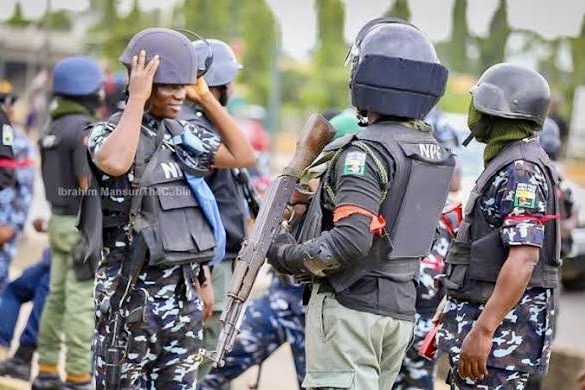
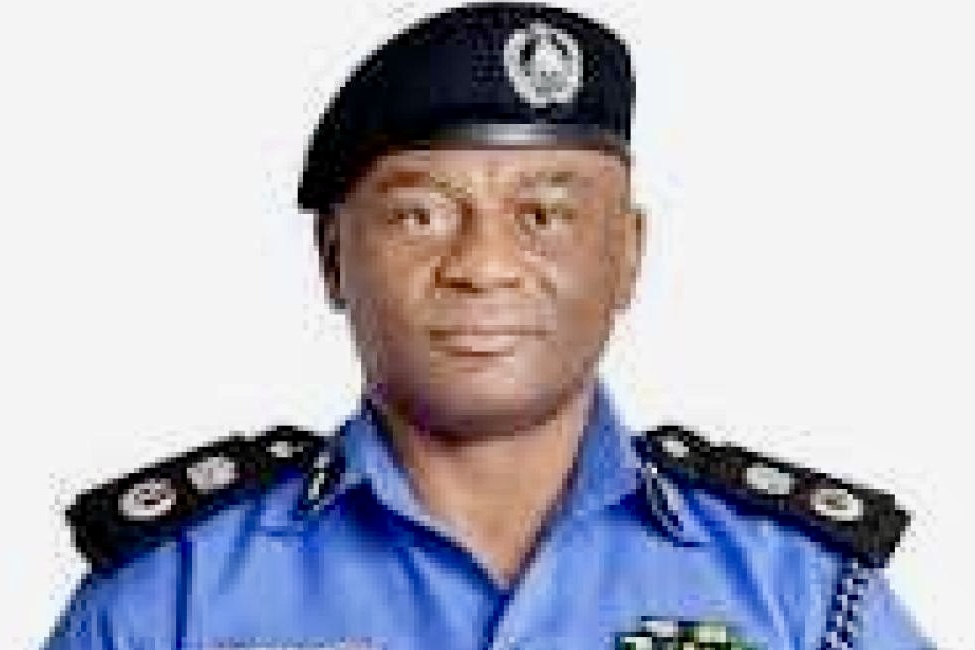
In a dramatic turn of events, the Nigerian political landscape is once again embroiled in controversy as opposition parties and human rights activists clash with the authorities over new guidelines issued by Inspector General of Police, Kayode Egbetokun. The guidelines pertain to the nationwide #EndBadGovernance protest scheduled for August 1, 2024. The controversy stems from directives requiring protest organizers to submit detailed plans and personal information to the police—a move that has been met with fierce resistance and accusations of constitutional violations.

The Controversial Guidelines
Inspector General Egbetokun’s guidelines stipulate that all protest organizers and participating groups must provide their details, proposed routes, and assembly points to the Commissioners of Police in their respective states. This, according to the IG, is a precautionary measure aimed at preventing the protests from being hijacked by criminal elements. Egbetokun has also emphasized the need for protest organizers to ensure the safety of participants and prevent any unlawful activities. The police chief’s concerns about the legitimacy of the protests have been echoed by the Department of State Services (DSS), which claims to have uncovered plans by criminal elements to incite unrest during the demonstrations.
Opposition’s Rebuttal
The opposition parties, however, have vehemently opposed these guidelines. They argue that the right to protest is enshrined in the Nigerian Constitution and that the police directives are an overreach of power. They insist that the guidelines are a deliberate attempt to stifle dissent and suppress the voices of Nigerians who are dissatisfied with the current administration.
Concentrate on Protecting Protesters – NNPP
Ladipo Johnson, the National Publicity Secretary of the New Nigeria People’s Party (NNPP), argued that the police should focus on protecting protesters rather than clamping down on them. Johnson stated, “Nigerians have a right to exercise their constitutional right to protest. They should not be harassed in any way. On the other hand, protesters must ensure that the protest is not hijacked by hoodlums or unscrupulous politicians.”
PDP Not Surprised by Threats to Gag Opposition
The People’s Democratic Party (PDP) expressed its disappointment with what it described as a “prepared script” to suppress dissent. Ibrahim Abdullahi, the Deputy National Publicity Secretary of the PDP, stated, “The attempt by the government to suppress the voices of dissent is not something we are surprised about. It is clear that the intention of this government is to inflict maximum pain and injury on Nigerians and suppress voices of dissent.”
Tinubu Should Tread Carefully – LP
The Labour Party (LP) has advised the presidency and security agents to tread carefully. Obiorah Ifoh, the National Publicity Secretary of LP, emphasized that any threat to clamp down on the people may prove counterproductive. He highlighted the economic hardship and insecurity plaguing the country, warning that silencing the people would only exacerbate their frustrations.
Accusations Against Opposition Insult to Nigerians – Northern CAN
The Christian Association of Nigeria (CAN) in the 19 Northern states has also weighed in on the matter, describing the planned protests as a reflection of the dire state of the nation. The body urged the government to address the economic hardship and insecurity that have plagued the country.
Security Agencies Harassing Organizers
Human rights activist Deji Adeyanju accused the police of trying to rewrite the constitution with their directives. He also revealed that security agencies had been harassing protest organizers and freezing their accounts. Adeyanju maintained that the constitution grants citizens the right to protest without stipulating conditions.
Government’s Response
The government, through the ruling All Progressives Congress (APC), has defended the police guidelines as necessary measures to ensure the protests remain peaceful and lawful. Bala Ibrahim, the National Publicity Director of the APC, stated that the government’s actions are being misinterpreted and that there is no intention to clamp down on lawful protests.
Tinubu’s Government After Solution, Not Protesters – APC
Ibrahim argued that President Tinubu is committed to addressing the grievances of Nigerians and that the police guidelines are meant to prevent the protests from being hijacked by criminal elements. He emphasized that the government is working to resolve the issues causing the public outcry and urged protesters to remain peaceful.
Shelve Planned Protest – Kwankwaso
Rabiu Musa Kwankwaso, the presidential candidate of the NNPP during the 2023 election, called on Nigerians to shelve the planned protest in the interest of the country. Kwankwaso urged citizens to use the ballot box to remove non-performing governments rather than resorting to protests.
Analysis and Implications
The unfolding events surrounding the #EndBadGovernance protest highlight the deep-seated frustrations and distrust between the Nigerian populace and the authorities. The opposition’s stance reflects a broader sentiment of dissatisfaction with the current administration’s handling of economic and security challenges. The police guidelines, while ostensibly aimed at maintaining public order, have been perceived as an attempt to stifle dissent and suppress legitimate protests.
The Right to Protest
The right to protest is a fundamental aspect of any democracy. It is enshrined in the Nigerian Constitution, which guarantees citizens the freedom of assembly and expression. However, the implementation of this right often comes into conflict with concerns about public order and security. The balance between protecting the right to protest and ensuring public safety is a delicate one, and the current situation in Nigeria underscores the complexities involved.
Government’s Stance
The government’s position, as articulated by the APC, is that the police guidelines are necessary to prevent the protests from being hijacked by criminal elements. This concern is not unfounded, given the experiences of past protests that have been marred by violence and criminal activities. However, the perception that the government is using these guidelines as a pretext to suppress dissent has fueled opposition and public outrage.
Opposition’s Rebuttal
The opposition parties have framed the police guidelines as an unconstitutional overreach of power. They argue that the guidelines are not only unnecessary but also a violation of the fundamental rights of Nigerians. The opposition’s emphasis on protecting the right to protest resonates with many Nigerians who feel that their voices are not being heard.
Economic and Social Context
The economic hardship and insecurity plaguing Nigeria provide the backdrop for the planned protests. The removal of the petrol subsidy, rising inflation, and widespread poverty have exacerbated public discontent. The government’s failure to address these issues effectively has fueled frustration and anger among the populace. The planned protests are a manifestation of these underlying economic and social grievances.
The Role of Security Agencies
The involvement of security agencies, such as the DSS and the Nigerian Defence Headquarters, in issuing warnings and raising concerns about the protests has further complicated the situation. The emphasis on potential violence and unrest has created an atmosphere of fear and tension. The security agencies’ actions, while aimed at maintaining public order, have been criticized as attempts to intimidate and harass protesters.
The Way Forward
Navigating the current crisis requires a delicate balance between protecting the right to protest and ensuring public safety. The government must address the underlying economic and social issues driving the public outcry. This includes implementing effective measures to alleviate poverty, curb inflation, and improve security. At the same time, the authorities must respect the constitutional rights of citizens to peaceful assembly and expression.
Conclusion
The controversy surrounding the #EndBadGovernance protest and the police guidelines underscores the deep-seated tensions between the Nigerian government and its citizens. The opposition’s resistance to the guidelines reflects a broader sentiment of dissatisfaction with the current administration. The government’s emphasis on public order and security, while legitimate, has been perceived as an attempt to suppress dissent. Navigating this crisis requires a nuanced approach that respects the constitutional rights of citizens while addressing the underlying economic and social grievances that have fueled public discontent.
As the nation braces for the planned protests on August 1, the actions of both the government and the opposition will be closely watched. The outcome of this confrontation will have significant implications for the future of democratic governance and civil liberties in Nigeria. The world watches as Nigeria navigates this critical juncture in its democratic journey, hoping for a resolution that upholds the principles of democracy and the rule of law.