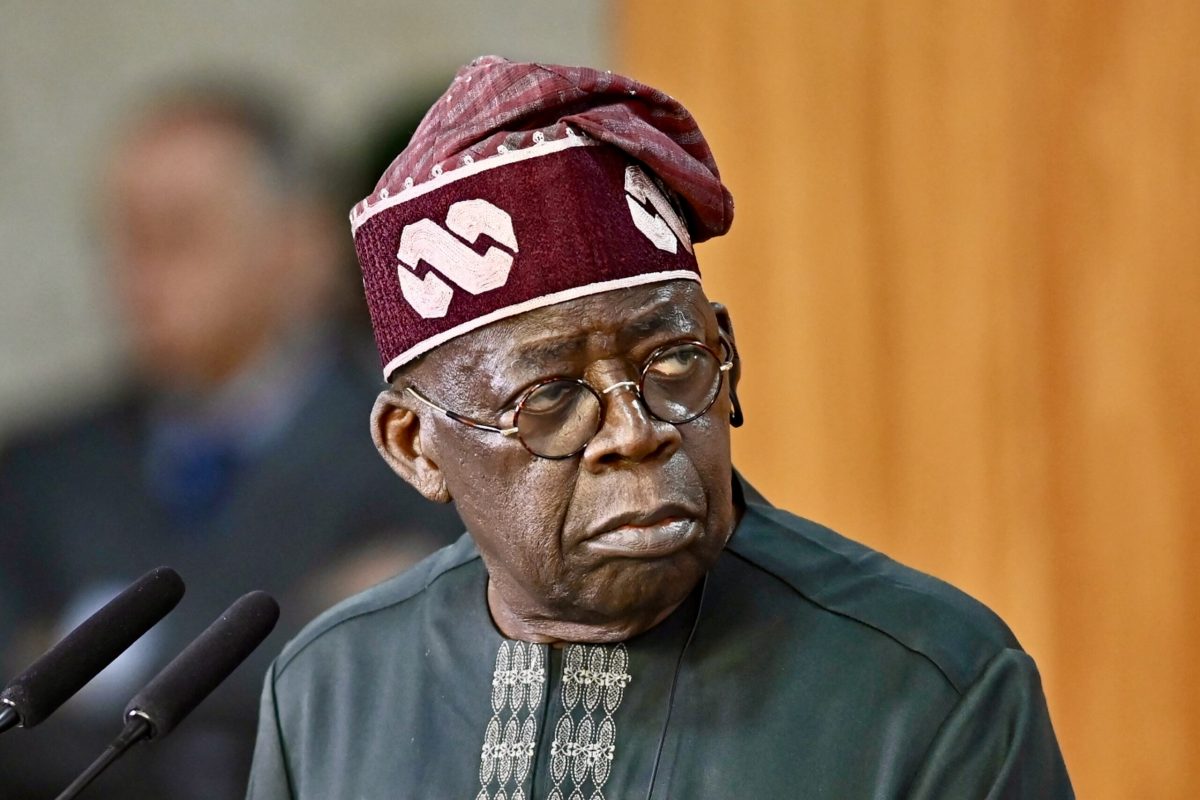
President Bola Tinubu used a high profile Ramadan Iftar at the Presidential Banquet Hall in Aso Rock Villa. He restated two headline promises that have dominated his term. These include the creation of state police and a brighter economic trajectory for Nigeria.
He told governors and senior officials that the introduction of state police “will not be postponed.” He also stated that the country is “out of the woods” after a period of economic uncertainty.
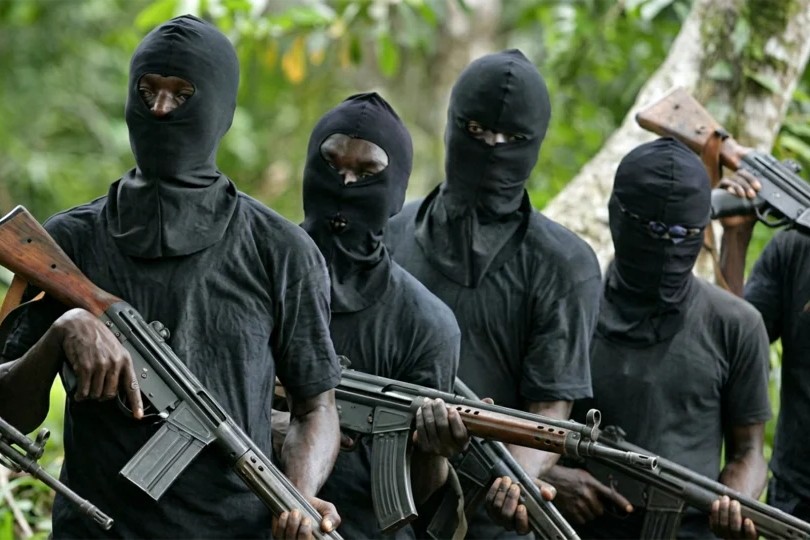
Those assurances will be welcomed by citizens worn down by kidnapping, banditry and communal violence. But the promises raise immediate questions.
The creation of state police is not merely an executive decision. It requires constitutional change, new legislation, funding plans, training standards and safeguards against politicisation.
The paper trail on those requirements matters more than the words spoken at a banquet hall. The political appetite to deliver them is equally important.
The promise and the path ahead
Mr Tinubu framed state policing as a practical fix to chronic local insecurity. He appealed for unity and urged governors to bring security and development closer to grassroots communities.
Yet the legal architecture that currently governs policing in Nigeria enshrines a single national police force in the 1999 Constitution.
Any alteration to allow state controlled policing will need two thirds support in both chambers of the National Assembly. It will also require ratification by a majority of state assemblies. That is a tall legislative hill.
Parliamentarians and civil society groups have debated models for months. Proposals range from moving “Police” from the exclusive to the concurrent legislative list. Another proposal suggests creating complementary state security outfits with strict federal oversight.
Advocates argue subsidiarity and quicker local response times. Skeptics warn of the risk that state tools could be captured by partisan governors. This could lead to democratising force rather than containing violence.
Independent organisations have recommended safeguards like national standards, federal intervention triggers and transparent funding.
Political friction and a narrow window
Mr Tinubu used the occasion to urge tolerance inside his party, the All Progressives Congress. He also counseled restraint to Governor Abba Kabir Yusuf amid state political tensions. The appeal is telling.
If state police are to be entrusted to governors, the federal government must secure cross-party consensus. It must write constitutional protections that prevent abuse.
That requires the National Assembly to prioritise a technically complex amendment in a politically fractious calendar.
Parliamentary momentum exists on paper. Committees and bills have circulated in recent years and several state assemblies have signalled support. But legal change on this scale historically stalls unless there is a clear, binding implementation plan and funding model.
The administration will need to publish several crucial documents. These include a white paper, a phased roll-out plan, and policing standards. It also needs recruitment and training budgets and an accountability framework. This is necessary if it hopes to convert rhetoric into durable reform.
Security realities on the ground
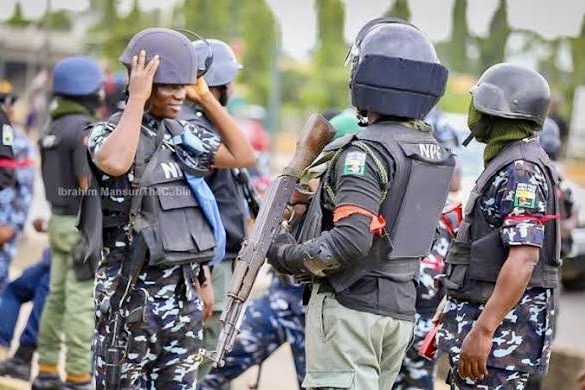
The security case for reform is real. Rural communities complain the national police are overstretched, response times are poor and local intelligence is underused. Yet decentralising instruments of force without ironclad checks risks partisan policing.
Any investigative analysis must therefore watch for three red flags as this policy moves from promise to process. The first red flag is rushed legislative drafting. The second is unfunded roll out. The third is political interference in appointments.
If those appear, state policing could worsen rather than improve protection. Independent monitoring, transparency in procurement, a national inspectorate and criminal sanctions for abuse must form part of the reform architecture.
The economy claim: out of the woods?
Alongside security, Mr Tinubu insisted that the economy was “out of the dark tunnel of uncertainty.” He also stated that “the economy is showing up.” These upbeat notes align with recent official data that suggest some stabilisation.
Headline inflation has eased recently. This follows the methodological rebasing of the Consumer Price Index. The National Bureau of Statistics and independent outlets reported a decline to about 15.1 per cent in January 2026.
GDP growth forecasts for 2025 and early 2026 show modest expansion driven by services and improved oil receipts. That progress is real but fragile.
The caveat is twofold. First, headline numbers can mask distributional pain. Food prices remain a political flashpoint despite recent month-on-month moderation.
Second, growth that depends on oil prices or short-term fiscal measures is not sustainable. It will not shield households from joblessness or the cost of living. Reforms must translate into durable jobs, public investment, and social protection.
An administration can say the economy is improving. However, citizens will judge based on tangible relief at market stalls. They will also assess by household budgets.
What to watch next
Legislative timetable. Will the National Assembly schedule public hearings? Will it publish the draft amendment? Will it invite technical input from policing experts and rights groups?
A transparent timetable would move this beyond a speech. Implementation details. The presidency must release an implementation paper that covers recruitment, training, funding, oversight and inter-force cooperation.
Without it the promise risks becoming a slogan. Economic indicators. Monthly CPI and quarterly GDP data will test the president’s “out of the woods” claim. Keep an eye on food inflation, employment figures and foreign exchange stability.
Bottom line
The Iftar gathering at the State House was part ritual and part political theatre. Babagana Zulum and many governors attended. They offered public support. The event doubled as an elite reaffirmation of unity during a season that coincides with Lent for Christians. But transformative policy is not made at ceremonial tables.
For state policing to be a reality, the executive must publish technical plans. The legislature must legislate firmly. Civil society must demand safeguards.
Similarly, economic optimism will survive public scrutiny only if it is matched by pocketbook relief for ordinary Nigerians.
Follow us on our broadcast channels today!
- WhatsApp: https://whatsapp.com/channel/0029VawZ8TbDDmFT1a1Syg46
- Telegram: https://t.me/atlanticpostchannel
- Facebook: https://www.messenger.com/channel/atlanticpostng