By Suleiman Adamu
In a harrowing escalation of violence, Nigeria is once again reeling from the tragic news of the brutal killing of five soldiers by suspected militants of the proscribed terrorist organization, the Indigenous People of Biafra (IPOB). President Bola Ahmed Tinubu addressed the nation with a resolute condemnation of these heinous acts and a firm promise of justice. This incident marks the second such tragedy in two months, following a similar attack in Okuama, Delta State.

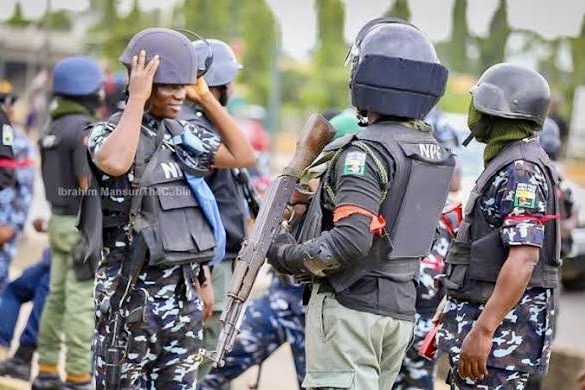
The slain soldiers were on a peacekeeping mission in Aba, Abia State, when they were ambushed and murdered. The gravity of this event has sparked widespread outrage and grief across the country, highlighting the ongoing challenges Nigeria faces in maintaining peace and security.
A President’s Unyielding Stance
President Tinubu’s statement was unequivocal. “These unwarranted, barbaric, and evil acts stand condemned and should never be condoned or tolerated in our country,” he declared. He emphasized the vital role of the armed forces and police in protecting the nation, often at the cost of their own lives. “Our soldiers and the police have the onerous duty to protect all of us from aggressors and non-state actors. Hundreds of them have paid the ultimate price in fulfillment of their duty, while some have experienced the indignity of being manhandled by the people they protect.”
The President’s message was clear: such mindless attacks on the armed forces will not go unanswered. He vowed that the federal government would come down heavily on those responsible, warning that no one should feel emboldened to kill agents of the state. “On no account should anyone, under any guise, have the audacity to kill agents of state,” Tinubu asserted, highlighting the government’s resolve to crush violent non-state actors who threaten the safety of Nigerian communities.
A Call to Security Agencies
President Tinubu called on security agencies to not only apprehend the masterminds and perpetrators of the Aba attack but also those who incite violence through actions like stay-at-home orders, which he labeled as treasonous. He stressed that the government’s restraint should not be mistaken for weakness. “The fact that the security forces are exercising necessary restraint should not be mistaken for weakness,” he cautioned.
The President’s stern warning underscores the delicate balance the government must maintain between enforcing law and order and respecting human rights. His message to the security agencies was clear: act decisively and bring the perpetrators to justice to prevent further violence and instability.
The Bigger Picture of IPOB and National Security
The IPOB, a secessionist group seeking independence for the southeastern region of Nigeria, has been involved in numerous violent clashes with security forces. Their activities have significantly strained national security, leading to frequent military engagements and loss of lives on both sides. The group’s insistence on using violence as a means to an end has placed it squarely in the crosshairs of the Nigerian government.
This latest attack on soldiers in Aba is a stark reminder of the ongoing security challenges in the region. It highlights the need for a multifaceted approach to addressing the root causes of the conflict, which include political, economic, and social grievances.
Condolences and a Rallying Cry
President Tinubu extended his heartfelt condolences to the families of the five slain soldiers, their colleagues, and the leadership of the armed forces. “While my condolences go to the families of the five slain soldiers, their colleagues, and the leadership of our armed forces, I urge other men and women on peacekeeping duty not to be discouraged by the unfortunate incident in Aba,” he said, rallying the troops to continue their essential work undeterred by this tragic setback.
Economic and Social Implications
The persistent violence and attacks on security forces have profound economic and social implications for Nigeria. The instability in regions like Aba disrupts economic activities, displaces communities, and hampers development efforts. The fear and uncertainty generated by such incidents deter investment and stifle growth, exacerbating the already challenging economic situation.
Moreover, the psychological impact on the communities and the families of the fallen soldiers cannot be overstated. The loss of life and the constant threat of violence create an environment of fear and insecurity that permeates daily life, affecting the mental health and well-being of the population.
The Role of the International Community
Nigeria’s struggle with internal security challenges is not isolated; it has garnered significant attention from the international community. Countries and international organizations closely monitor the situation, offering support and sometimes criticism. The global community’s response can influence Nigeria’s strategies and the effectiveness of its actions against militant groups like IPOB.
International partnerships in intelligence sharing, military training, and economic aid are crucial in bolstering Nigeria’s efforts to combat terrorism and insurgency. However, these partnerships must be balanced with respect for Nigeria’s sovereignty and a clear understanding of the local dynamics at play.
Moving Forward: A Comprehensive Strategy
To effectively address the threats posed by IPOB and similar groups, Nigeria needs a comprehensive strategy that goes beyond military action. This strategy should include:
- Political Dialogue: Engaging with various stakeholders, including leaders from the southeastern region, to address the underlying political grievances that fuel secessionist sentiments.
- Economic Development: Investing in infrastructure, education, and job creation in the affected regions to provide alternatives to violence and foster economic growth.
- Community Policing: Enhancing the role of local law enforcement agencies in maintaining security and building trust with the communities they serve.
- Counter-Propaganda: Addressing the narrative propagated by militant groups through robust information campaigns that promote unity and highlight the benefits of a peaceful, united Nigeria.
- International Collaboration: Leveraging international support to enhance Nigeria’s counter-terrorism capabilities while ensuring that foreign interventions are aligned with national interests.
Conclusion
The killing of soldiers in Aba by suspected IPOB militants is a tragic reminder of the ongoing security challenges Nigeria faces. President Tinubu’s strong condemnation and call for decisive action reflect the government’s commitment to restoring peace and stability. However, the path to lasting peace requires a holistic approach that addresses the root causes of the conflict, fosters economic development, and builds trust between the government and the people.
As Nigeria navigates these turbulent times, the resilience and determination of its leaders, security forces, and citizens will be crucial in overcoming the threats posed by violent non-state actors. The nation must unite in its efforts to build a peaceful and prosperous future, where the sacrifice of those who serve and protect is honored through meaningful and lasting change.
Suleiman Adamu is Atlantic Post Senior Defence/Security Correspondent