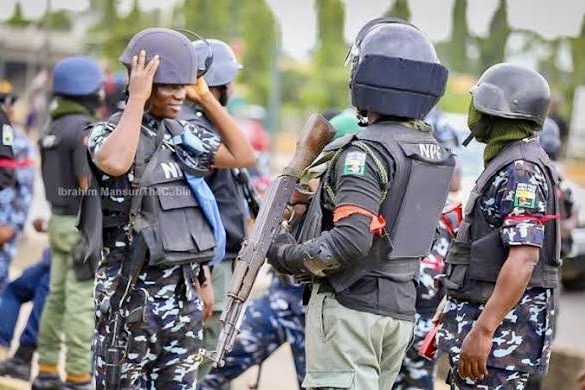
The Rivers State House of Assembly on Thursday moved to suspend impeachment proceedings against the governor and his deputy. The Speaker said this decision followed direct presidential mediation. It also resulted in the withdrawal of pending court actions.
The development marks a fresh turn in a season of political brinkmanship. This has paralysed core oversight functions. It has also produced a string of legal entanglements since legislators opened impeachment notices early this year.
The Assembly resumed plenary in Port Harcourt. The Speaker announced the halt and the withdrawal of all related suits. This signalled a negotiated unfreeze of a fraught executive–legislative standoff.
How the conflict began is now well documented. Lawmakers invoked Section 188 of the 1999 Constitution to table allegations of gross misconduct against the administration.
The charges recorded in the initial notice ranged from the demolition of the Assembly complex and alleged extra-budgetary spending. They also included the withholding of funds earmarked for the Assembly Service Commission. There were assertions of non-compliance with a Supreme Court ruling on legislative financial autonomy.
Critics insist that the notice read as an attempt to employ constitutional remedy in a highly politicised environment.
The move to suspend the process did not come without judicial complications. The Assembly asked the state Chief Judge to constitute a seven-member investigative panel. The Chief Judge declined this request. He cited a subsisting High Court injunction that restrained further action.
The governor and his deputy had already obtained court orders restraining the Chief Judge from constituting any panel. This created a de facto legal paralysis of the impeachment path. It channelled the dispute into the courts.
Behind the public statements lies sustained elite bargaining. The impeachment push came after public recriminations between senior figures in the state political firmament. Insiders say there was a breach of a peace accord, which was earlier brokered in 2025.
A renewed round of top level talks culminated in a presidential meeting in early February at the seat of government. The closed door session brought together principal actors and concluded with statements of optimism that the crisis could be contained.
What happened at the negotiation table appears to be a classic political swap. The Assembly’s suspension of the impeachment stands as a significant move. The withdrawal of court actions adds another layer to the strategy. Additionally, the public declaration that constitutional norms must guide behaviour reinforces this stance. These steps together form a package that buys time and preserves institutional continuity.
For now, both sides have stepped back from the immediate confrontation and placed pressure on one another to honour a fragile truce.
But the pause is conditional. Lawmakers told the chamber they expect strict adherence to constitutional duties by the executive. This is a thinly veiled reminder. The truce depends on behavioural change, not merely the end of litigation.
Observers point out that presidential mediation has become an increasingly frequent mechanism to resolve state level crises. They caution that it risks short circuiting due process if it becomes a substitute for judicial or legislative remedies.
There are practical consequences. During the dispute, the Assembly’s oversight role weakened. Routine budget scrutiny slowed. Additionally, the demolition of the legislative complex further hampered normal operations.
Those interruptions have a tangible impact on service delivery in a state that remains central to Nigeria’s oil revenue. Governance gaps in this state quickly translate into developmental deficits for citizens.
Civil society groups in Port Harcourt have issued a warning. They stated that elite squabbles must not displace attention to flood prevention. It is also crucial to maintain health worker funding and education budgets. Analysis of the immediate budget cycle will be the first test of whether the truce translates into resumed governance.
Legal analysts warn that the underlying incentives that birthed impeachment remain. Party structures are factionalised. Personal rivalries shape appointments and contracts. Impeachment can be an instrument for coercion. It serves this purpose rather than accountability.
Yet supporters of the suspension retort that the President’s mediation prevented an escalation that might have produced administrative paralysis or worse.
The choice between a strict reading of constitutional remedies and a negotiated political settlement is unresolved in Nigerian subnational politics. Both can be true at once.
How durable the resolution will be is now the key question.
If the parties use the window to rebuild formal channels of oversight, Rivers could return to steady governance. They need to repair the Assembly complex. It is also important to regularise budget releases and respect judicial rulings on fiscal autonomy.
If underlying factional grievances are left to fester, the next crisis will arrive sooner rather than later.
For stakeholders in Abuja and Port Harcourt, the immediate priority must be to institutionalise the truce. This ensures that mediation becomes a bridge rather than a bandage.
What to watch next
Whether the Assembly restores full oversight activities and reopens the damaged chamber. The handling of pending appeals in the High Court and the implications for Section 188 processes. Budget negotiations in the coming month as an indicator of whether trust is sufficiently rebuilt.
The suspension of the impeachment provides breathing space. The challenge now is to translate a presidentially brokered detente into a lasting change. This change should redefine how power is shared in Rivers State. Failure to do so will re-expose a governance architecture too brittle for sustained development.
Follow us on our broadcast channels today!
- WhatsApp: https://whatsapp.com/channel/0029VawZ8TbDDmFT1a1Syg46
- Telegram: https://t.me/atlanticpostchannel
- Facebook: https://www.messenger.com/channel/atlanticpostng