Nigeria’s recent tax reform bills, including the retention of a 7.5% VAT rate and the overhaul of tax collection processes, aim to modernise its fiscal framework amid public consultations. These reforms seek to increase revenue and reduce dependency on oil revenues, but their success depends on careful implementation and stakeholder engagement.
Nigeria’s Tax Reform Bills: A Bold Leap Towards a Modern Fiscal Future or a High-Stakes Gamble?
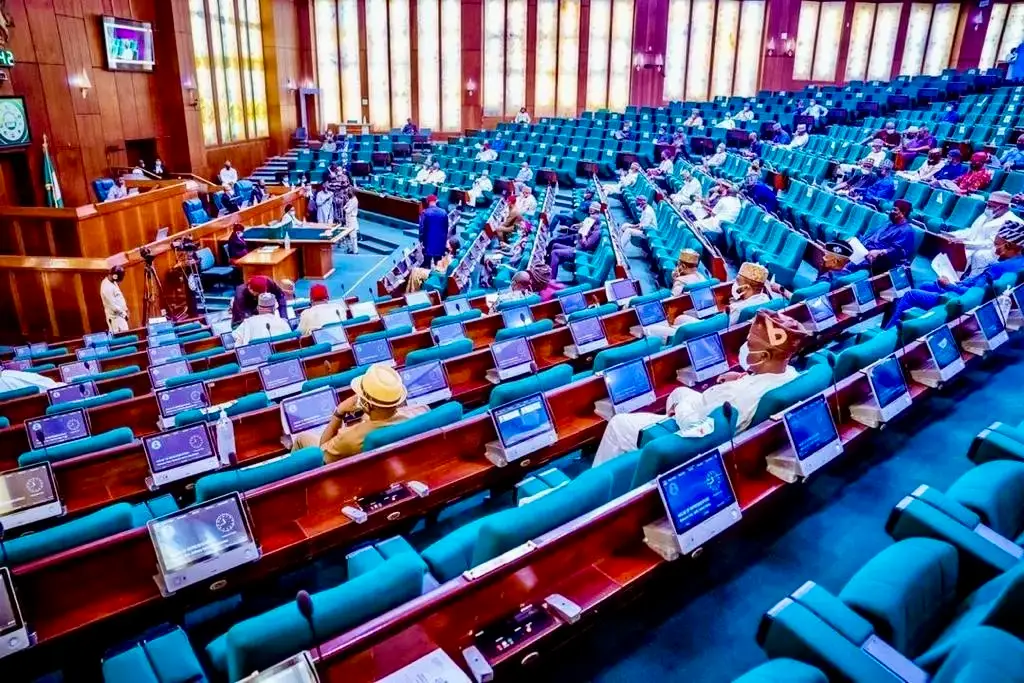
ABUJA, Nigeria — In an electrifying session at the National Assembly in Abuja, the House of Representatives has sent shockwaves through Nigeria’s economic and political landscape by retaining the current 7.5% Value Added Tax (VAT) rate—rejecting a long-discussed proposal for a gradual rise to 15% by 2030.
The decision, coupled with the dismissal of plans to reintroduce an inheritance tax framed as a levy on family income, marks a turning point in what many see as Nigeria’s audacious attempt to overhaul its tax regime.
Let us delve deep into the layers of this consequential decision, its legislative intricacies, and its far-reaching implications.
The Crux of the Matter
At the heart of the matter lies a comprehensive review of four pivotal bills designed to modernise and consolidate Nigeria’s tax framework:
- Nigeria Tax Bill
- Nigeria Tax Administration Bill
- Nigeria Revenue Service (Establishment) Bill
- Joint Revenue Board (Establishment) Bill
Chairman of the House Committee on Finance, Rep. James Faleke, emphasised that these bills are not mere policy tweaks but a radical re-engineering of Nigeria’s tax system.
“These Bills are critical to implementing a modern, transparent, and efficient tax system that will support economic growth and improve revenue collection,” he asserted during plenary.
A Review Born from Public Outcry
In an unprecedented move, the review process behind the bills was marked by extensive public consultation.
Stakeholders ranging from business leaders to representatives of key government agencies—including the Nigeria Export Processing Zones Authority (NEPZA), National Agency for Science and Engineering Infrastructure (NASENI), National Information Technology Development Agency (NITDA), and the Tertiary Education Trust Fund (TETFund)—contributed to shaping the final recommendations.
This grassroots approach is designed to ensure that the bills are not only technically sound but also socially and politically acceptable.
Unpacking the Nigeria Revenue Service (NRS) Bill
One of the most dramatic amendments appears in the Nigeria Revenue Service Bill. The revised scope of the NRS has been redefined to focus solely on federal-level revenue collection, thereby excluding individual taxpayers in states and the Federal Capital Territory (FCT).
This narrow mandate is coupled with a restructured board composition—now mandating six executive directors appointed on a rotational basis from Nigeria’s six geopolitical zones, alongside representatives from each state and the FCT.
Furthermore, the bill stipulates that the Secretary to the Board must hold professional qualifications such as that of a lawyer, chartered accountant, or chartered secretary, at or above the level of Assistant Director.
A fixed funding rate of 4% (excluding royalties) is earmarked for the NRS, although this is subject to approval by the National Assembly.
The bill also places stringent checks on the borrowing powers of the NRS, requiring both Federal Executive Council (FEC) and National Assembly consent before any loans are secured.
These measures aim to imbue the service with enhanced credibility and operational independence—a critical factor in a country where tax evasion and inefficiencies have long plagued revenue collection.
The Revolutionary Proposals in the Joint Revenue Board (JRB) Bill
The Joint Revenue Board Bill has not been left untouched by reform. In an effort to streamline and modernise the tax appeals process, the bill now removes the outdated requirement for Tax Appeal Commissioners to have business management experience—a move that critics have long argued was irrelevant in today’s complex fiscal environment.
Additionally, the bill elevates the independence of the Tax Ombud’s Office by mandating that it receive direct funding from the Consolidated Revenue Fund, effectively eliminating any dependency on external donations that might compromise its neutrality.
Perhaps most notably, the proposed reforms carve out an independent operational space for the Tax Appeal Tribunal (TAT), ensuring that it functions separately from the Federal Inland Revenue Service (FIRS) to prevent any potential conflicts of interest.
New rules reinforcing strict adherence to the Evidence Act during tax appeal proceedings are also set to bolster the integrity of the process.
The extension of the timeframe for issuing Taxpayer Identification Numbers (TINs) from two to five working days reflects an accommodating stance towards administrative delays—an acknowledgement that bureaucratic inertia has often hindered swift tax processing in the past.
Adjustments in VAT Collection and Distribution
On the contentious issue of VAT, the House has decisively maintained the current rate of 7.5%, rejecting proposals for a gradual hike to 15% by 2030.
Instead, the bills introduce a host of nuanced adjustments aimed at ensuring equitable and efficient VAT collection.
Notably, the new VAT system will attribute taxable supplies to their place of consumption—a move intended to address longstanding regional imbalances.
The introduction of a VAT fiscalisation system is expected to revolutionise VAT collection by enforcing a robust regulatory framework, thereby minimising leakages and fraud.
The proposed revenue distribution formula for VAT is equally audacious: 70% of VAT revenue will be distributed equally among local governments, while the remaining 30% will be allocated based on population.
This reformed formula is designed to redress regional disparities, ensuring that all local governments benefit fairly from the taxes collected, regardless of their individual economic capacities.
Other Groundbreaking Amendments
The tax reform bills also contain several other measures that deserve mention:
Petroleum Gains Tax: One of the most sensational elements of the reform is the drastic reduction in the Petroleum Gains Tax—from an onerous 85% down to a more palatable 30%. This move is likely to have significant implications for Nigeria’s oil and gas sector, potentially stimulating investment in a critical industry while relieving fiscal pressure on revenue generation.
Excise Duty Provisions: The elimination of excise duty provisions, which have been widely criticised for stifling economic growth, marks another key pillar of the reform. By scrapping these provisions, the government aims to create a more conducive environment for industrial and commercial activities.
Threshold for Small Companies: The reclassification of small companies now sets the annual turnover threshold at ₦100 million (with an asset cap of ₦250 million remaining unchanged). This change is expected to reduce the administrative burden on small enterprises, encouraging entrepreneurship and innovation.
Penalties for Virtual Asset Service Providers (VASPs): In a nod to the emerging digital economy, the bills introduce stringent penalties and potential licence suspensions for non-compliant crypto and digital asset businesses. This move underscores the government’s recognition of the need to regulate the burgeoning digital financial space, ensuring that it contributes fairly to the national revenue.
The Bigger Picture: Modernisation vs. Political Reality
While the reforms have been lauded by many as a step towards modernising Nigeria’s tax system, they are not without their detractors.
Critics argue that the sweeping changes, particularly in the areas of VAT attribution and revenue distribution, could lead to unforeseen consequences.
For instance, attributing VAT based on consumption rather than the location of the business might disrupt established revenue streams for some states, potentially leading to political friction.
Nonetheless, proponents contend that these measures are essential for addressing historical imbalances and inefficiencies that have long undermined Nigeria’s fiscal stability.
Rep. Faleke’s emphasis on public consultation is a welcome departure from past practices, where key fiscal policies were often crafted behind closed doors.
By incorporating extensive feedback from various stakeholders—including civil society organisations and industry experts—the House appears committed to ensuring that the reforms are both robust and inclusive.
However, the true test will be in the implementation. As the House of Representatives prepares for further deliberations in the coming weeks, all eyes will be on how these ambitious proposals are operationalised in the real world.
Implications for Nigeria’s Economic Future
The tax reform bills represent more than just a legislative exercise; they are a bold attempt to transform Nigeria’s economic destiny.
By overhauling the tax system, the government aims to boost revenue collection, reduce dependency on oil revenues, and stimulate economic growth.
The reduction in the Petroleum Gains Tax, in particular, is a clear signal that the government is eager to attract investment into one of the nation’s most critical sectors.
Meanwhile, maintaining a stable VAT rate—while introducing smart modifications to its collection and distribution—suggests a balanced approach that seeks to protect consumers from undue price hikes while ensuring that local governments receive a fair share of the revenue.
From an investor’s perspective, these reforms could herald a more predictable and transparent fiscal environment, potentially attracting both local and foreign capital.
In a country where fiscal policies have historically been marred by opacity and abrupt changes, the methodical and consultative approach adopted by the House of Representatives may offer a glimmer of hope for sustained economic progress.
A Call for Vigilance and Continued Dialogue
Yet, amid the optimism, there is also a note of caution. The complexity of the proposed changes means that continuous monitoring and periodic reviews will be essential.
Stakeholders must remain vigilant to ensure that the intended benefits of the reforms are fully realised without inadvertently creating new inefficiencies or inequities in the tax system.
As debates continue within the halls of the National Assembly, further consultations with state governments, industry representatives, and the broader public will be crucial.
Conclusion
Nigeria stands at a crossroads. The decision to retain the 7.5% VAT rate, coupled with a host of comprehensive amendments across multiple tax bills, reflects an ambitious vision for a modern, efficient, and equitable fiscal system.
While the reforms have been crafted with an eye towards boosting revenue collection and fostering economic growth, their ultimate success will depend on meticulous implementation and ongoing dialogue among all stakeholders.
For now, the House of Representatives has taken a decisive step by adopting these reform bills as a working document.
As the legislative process unfolds in the coming weeks, the eyes of the nation—and indeed the global financial community—will be fixed on Abuja.
Will these tax reforms pave the way for a robust and resilient Nigerian economy, or will they become yet another chapter in the country’s tumultuous fiscal saga?
Only time will tell, but one thing is certain: Nigeria’s bold foray into comprehensive tax reform is a high-stakes gamble that could redefine its economic future.
- Additional reports from Taiwo Adebowale, Peter Jene and Osaigbovo Okungbowa