By Editor
President Tinubu’s Call for Restraint Amidst Rivers State Election Violence: A Critical Analysis of the Political Crisis
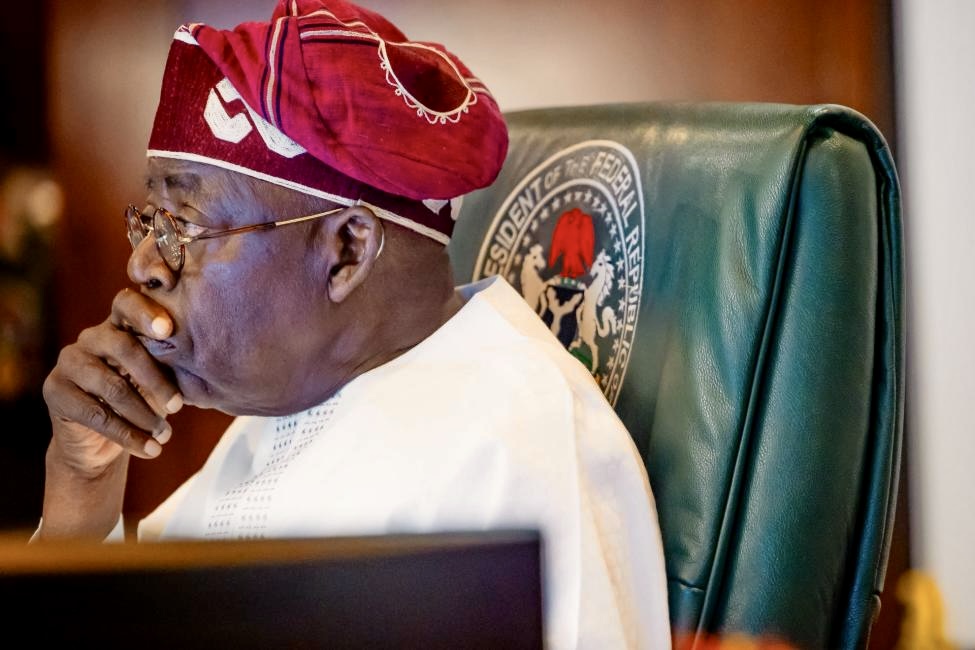
In a fervent attempt to quell the spiralling political tensions in Rivers State, President Bola Tinubu issued a stark warning to Governor Siminalayi Fubara, political leaders, and their supporters. His message, clear and unyielding, emphasised restraint, rule of law, and the supremacy of democracy as the only path forward in Nigeria’s complex and often turbulent political landscape.

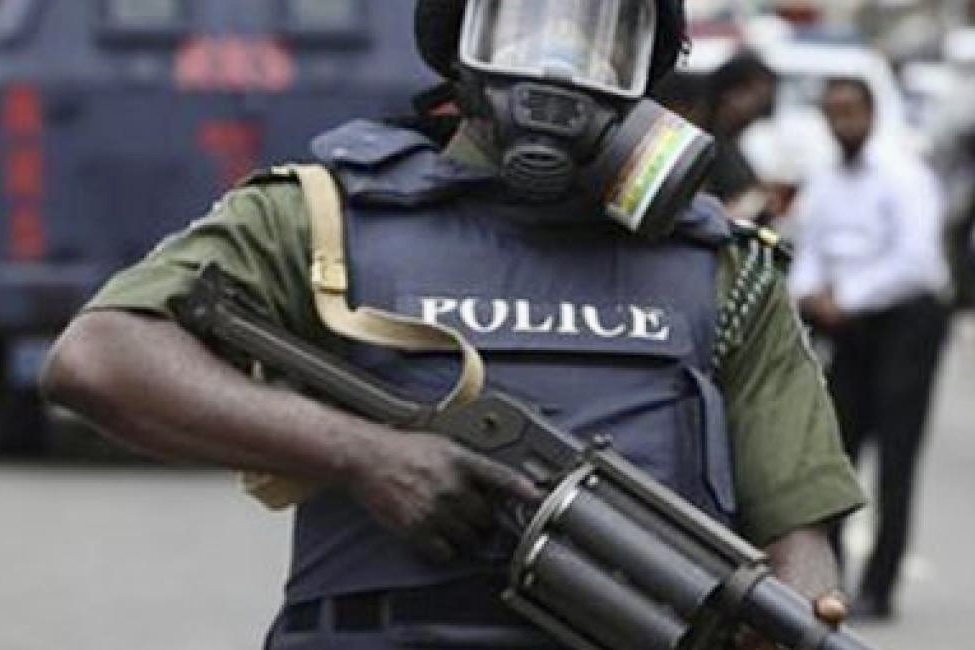
The President’s statement comes in the wake of what has become a rapidly escalating crisis following last Saturday’s local government council election in Rivers State. What should have been a routine exercise in grassroots democracy has instead descended into chaos, with reports of arson, explosions, and violent confrontations between opposing political factions. This critical development has placed the spotlight squarely on Nigeria’s fragile democratic institutions, with Rivers State once again becoming a flashpoint in the nation’s ongoing struggle to maintain peace, stability, and the rule of law in the face of electoral strife.
Rivers State: A Political Powder Keg Waiting to Explode?
Rivers State has long been a theatre of intense political rivalry, where elections often turn violent due to deeply entrenched political interests. The current local government elections, which should ordinarily serve as an opportunity for the grassroots to engage in governance, have instead ignited the flames of violence and division.
At the heart of the issue is a familiar problem in Nigerian politics—election irregularities, allegations of vote manipulation, and the widespread distrust of the electoral process. What sets this particular crisis apart is the scale of destruction already reported, with public institutions under siege and political actors allegedly fanning the flames of discord among their supporters.
Arson and explosions, symbolic of the rage simmering beneath the surface, have brought into question the security apparatus and the ability of law enforcement agencies to maintain order. This election, like many before it, threatens to tear at the very fabric of Nigeria’s democratic experiment, and it is against this backdrop that President Bola Tinubu has taken the bold step of issuing a firm directive.
The President’s call for restraint reflects not only his deep concern over the escalating violence but also the realisation that without immediate intervention, the situation in Rivers State could unravel into a full-blown political crisis. The stakes are high, and the future of democracy in the region hangs in the balance.
Tinubu’s Directive: A Decisive Stand or a Symbolic Gesture?
In his statement, President Tinubu urged political leaders and their supporters to de-escalate tensions, emphasising the importance of the rule of law. His directive to law enforcement to “restore and maintain peace, law, and order immediately” is a clear sign of his administration’s zero tolerance for violence and lawlessness. However, the question remains—will this call to action be enough to bring the situation under control, or is it merely a symbolic gesture in the face of an overwhelming crisis?
One must critically examine the effectiveness of such directives in the Nigerian political landscape. While the President’s words carry weight, the power dynamics in Rivers State complicate the situation. Governor Siminalayi Fubara, who has been at the centre of the political storm, must now navigate a delicate balance between maintaining his authority and heeding the President’s call for restraint. The loyalty of local political actors to their respective parties and power brokers often supersedes their allegiance to national directives, leading to a precarious situation where law and order become secondary to political survival.
President Tinubu’s emphasis on the judiciary as the ultimate arbiter of political disputes is both a reaffirmation of democratic principles and a challenge to the status quo. In a nation where the judiciary is frequently accused of bias or corruption, Tinubu’s appeal to the courts as the proper forum for resolving election-related grievances may be seen as an idealistic stance that is disconnected from the realities on the ground.
The burning question is whether Nigeria’s judiciary can truly be trusted to settle the Rivers State election crisis impartially, especially in a region where political power struggles have historically overshadowed legal rulings. Tinubu’s insistence that “self-help has no place in a democratic system” is a powerful rebuke of the violence currently plaguing Rivers, but the efficacy of this approach will depend on the willingness of all parties involved to submit to the rule of law.
The Role of Law Enforcement: A Critical Factor in Restoring Peace
The President’s directive to law enforcement agencies to “bring the situation under control” is an acknowledgment of the crucial role that security forces play in maintaining peace. However, the history of law enforcement involvement in Nigerian elections is fraught with allegations of partisanship, corruption, and inefficiency.
For President Tinubu’s directive to be successful, the Nigerian police and other security agencies must operate with absolute neutrality and professionalism. This is easier said than done, especially in a volatile state like Rivers, where political loyalties can often influence law enforcement actions. The President’s order to safeguard public institutions built with taxpayer money is particularly significant, as these facilities have become targets in the ongoing violence.
Yet, the reality on the ground paints a grim picture. In a state where political militias and thugs are frequently deployed to intimidate voters and suppress opposition, law enforcement agencies are often overwhelmed or, worse, complicit in the violence. The question of whether they can restore peace without further exacerbating the crisis remains an open one.
The potential for a larger security breakdown in Rivers State looms large, and this raises broader concerns about Nigeria’s ability to conduct free and fair elections without resorting to violence. President Tinubu’s directive is a commendable attempt to restore order, but it will require a herculean effort from security agencies that have historically struggled to maintain neutrality in highly charged political environments.
Beyond Rivers State: The National Implications of Local Election Violence
The crisis in Rivers State is not just a local issue; it has far-reaching implications for Nigeria’s democratic future. President Tinubu’s firm stance on upholding the rule of law sends a clear message to political actors across the country, but it also raises important questions about the state of democracy in Nigeria after 25 years of uninterrupted civilian rule.
At the core of this crisis is a fundamental problem that plagues Nigerian politics—elections are not seen as a genuine reflection of the people’s will, but rather as a contest for power among political elites. This perception has fuelled violence, voter apathy, and a deep sense of disenfranchisement among the populace. The Rivers State election crisis is a microcosm of the broader issues facing Nigeria’s democracy, and President Tinubu’s response will be viewed as a litmus test for his administration’s commitment to democratic principles.
Can the Nigerian government, under Tinubu’s leadership, restore faith in the electoral process and ensure that future elections are free, fair, and peaceful? The outcome of the Rivers State crisis will provide crucial insight into whether Nigeria is on the path to democratic consolidation or continued political instability.
The Path Forward: Can Democracy Prevail?
President Bola Tinubu’s statement is a timely reminder that democracy, despite its imperfections, remains the only viable system of governance for Nigeria. His call for restraint, the rule of law, and judicial resolution of disputes underscores his belief in the principles that have sustained Nigeria’s democracy for over two decades. However, the current crisis in Rivers State serves as a stark reminder that these principles are under constant threat.
For democracy to prevail in Rivers State and across Nigeria, political actors must be willing to set aside their personal ambitions and work toward the common good. Violence, self-help, and the destruction of public institutions are not only detrimental to the political process but also to the fabric of Nigerian society. President Tinubu’s directive is a bold step in the right direction, but the real test will come in the days and weeks ahead as the situation in Rivers State unfolds.
As Nigerians look to their leaders for guidance, it is imperative that the rule of law be upheld and that those responsible for the violence are held accountable. The judiciary must rise to the occasion and prove itself capable of resolving political disputes fairly and impartially. Only then can Nigeria’s democracy emerge stronger from this crisis.