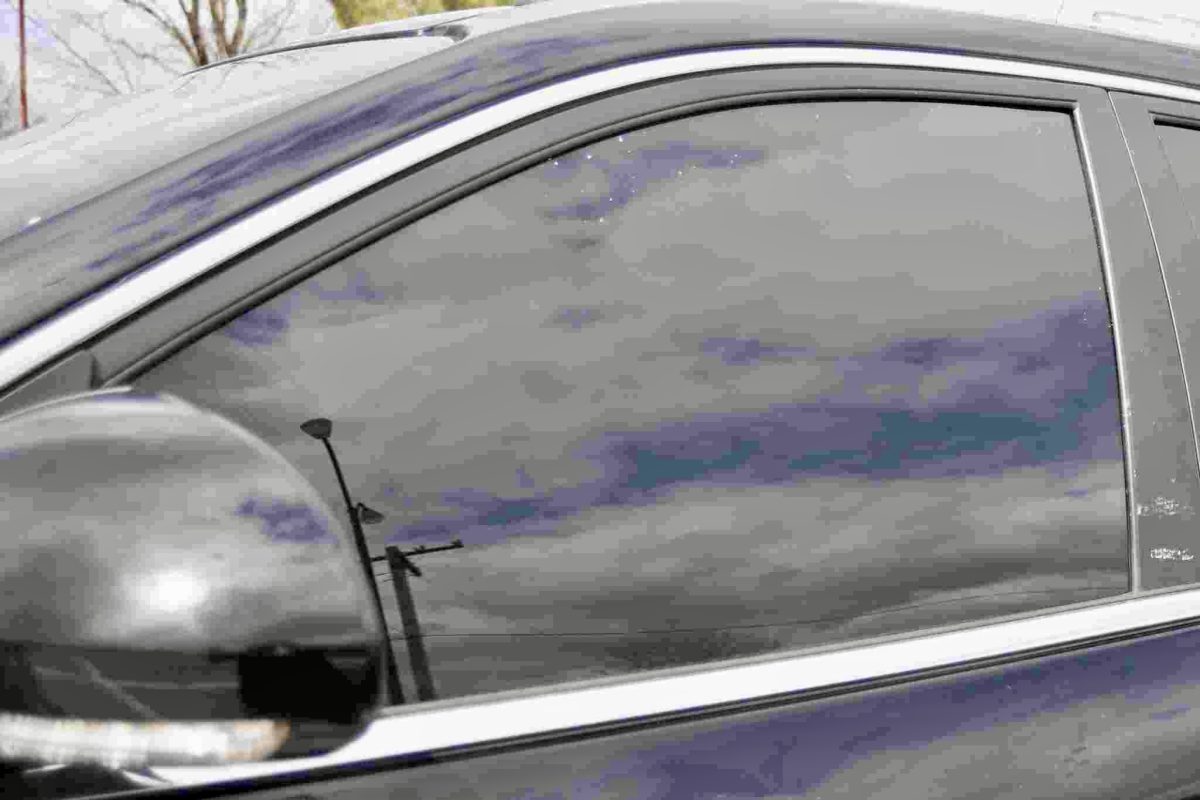
The Nigeria Police Force has introduced an online renewal process for expired tinted-glass permits, giving motorists a digital route to update their records. But the convenience of a renewal button does not remove the need for clear public guidance on fees, verification requirements and the status of related court proceedings.
Motorists across Nigeria can now renew expired tinted-glass permits through the Police Specialised Services Automation Project (POSSAP) portal, the official digital platform for accessing specialised police services.
In an announcement published on Thursday, 15 October, POSSAP advised vehicle owners to renew their permits before expiry to avoid inconvenience during traffic checks. The process allows applicants to select physical or virtual verification before generating an invoice and completing payment.
The update addresses a practical problem for motorists: what to do when an existing permit expires. It also raises a broader public-interest question about how a security-related police service should communicate its requirements, charges and enforcement arrangements.
How to renew an expired tinted-glass permit online
Vehicle owners who already have a POSSAP account can follow these steps.
1. Visit the official portal: Go to possap.gov.ng and log in with your existing account details.
2. Open your renewal options: Click the Profile icon in the top-right corner, select “Service Request” and then choose “Renewals”.
3. Select the expired permit: The system should display expired permits linked to your account. Locate the relevant vehicle permit, click “Actions” and select “Renew Permit”.
4. Choose your verification method: POSSAP provides physical and virtual verification options. Select the route appropriate to your circumstances.
5. Complete verification: Follow the instructions for your chosen method and provide the required details.
6. Generate your invoice: After verification, click “Generate Invoice & Continue” and follow the payment instructions.
7. Await approval: After successful payment, the renewal request will be processed and approved by the relevant authorities.
The police platform’s instructions indicate that completing payment does not itself constitute final approval. Motorists should therefore check their application status and retain payment evidence and any confirmation issued through the portal.
Physical inspection or virtual verification: Which should motorists choose?
POSSAP lists two verification routes for applicants renewing their permits.
Physical verification: Applicants can select the SIB/FIB option, then choose their state and the relevant police command.
Virtual verification: Applicants can select “Verify Documents Online”, choose their state and police command, and click “Continue to VVS” to validate the vehicle identification number (VIN).
The physical route is relevant to motorists who prefer or require an in-person verification process. The virtual option provides a digital alternative, although applicants must still complete the specified verification requirements.
Motorists should follow the options displayed on the official portal rather than rely on agents, social media messages or unofficial websites claiming to offer faster approval.
POSSAP has provided the following support channels for applicants who encounter difficulties:
- Website: https://possap.gov.ng
- Email: info@possap.gov.ng
- Telephone: 02018884040
What the renewal announcement does not settle
The latest update concerns the renewal procedure. It does not, by itself, explain every legal and administrative question associated with the tinted-glass permit policy.
The policy has been contested since its reintroduction in 2025, with critics questioning the police’s authority to charge for permits and renewals, the transparency of payments and the risk of harassment during enforcement.
The Nigerian Bar Association (NBA) challenged the policy in court, arguing, among other things, that it lacked a sufficient legal foundation and could expose motorists to financial burdens and abuse.
In March 2026, however, the Federal High Court in Abuja dismissed the NBA’s challenge. Justice Suleman Liman held that the association had not established its claims against the police and stated that the use of tinted glass was not a constitutionally guaranteed right. The ruling represented a significant development in the dispute over the policy.
There is an important qualification. A separate Delta State High Court proceeding in Orerokpe produced an interim order in December 2025 restraining the police from enforcing the policy nationwide. The police subsequently announced that enforcement had been placed on hold in compliance with the order. The publicly available updates reviewed for this report did not establish whether that separate order had later been formally discharged or otherwise resolved.
The distinction matters. The dismissal of the NBA’s Abuja case and the procedural status of a separate court order should not be treated as interchangeable. The police should communicate any subsequent judicial developments and the current enforcement position clearly to motorists.
The renewal announcement itself is straightforward. The wider legal history makes accurate, up-to-date public communication especially important.
Security objectives must come with transparent administration
The police have defended the permit regime as a measure intended to improve public safety and assist efforts to combat crimes, including kidnapping and armed robbery.
In a January 2026 statement, the Force cited the Motor Vehicles (Prohibition of Tinted Glass) Act and argued that the Inspector-General of Police has statutory authority to approve permits. It also described the charges associated with the service as processing fees connected with the digital infrastructure.
That security rationale is central to the police’s position. Yet a legitimate public-safety objective does not remove the need for transparent procedures, reliable records and accountable payment arrangements.
For the renewal process, several practical questions deserve clear answers. What are the applicable charges? What supporting documents may be required? How long should applicants expect processing to take? What should they do if the portal shows an expired permit but refuses to process the renewal? And how can a motorist verify that a payment has been properly recorded?
The latest instructions direct applicants to generate an invoice through POSSAP, but do not specify a universal fee amount or a guaranteed approval timeframe. Motorists should check the amount presented in their own official invoice before paying and avoid unofficial payment requests.
There is also a distinction between making renewal easier and making the entire system more accountable. Digital processing may reduce unnecessary visits and improve record-keeping, but its public value ultimately depends on how reliably applications are handled and how clearly the rules are communicated.
What motorists should do now
Vehicle owners with existing tinted-glass permits should log in to the official POSSAP portal and check the status of their records. Those seeking renewal should complete the prescribed verification process, review the official invoice and retain proof of payment.
Applicants should not assume that payment means instant approval. They should also avoid treating an online renewal announcement as a substitute for current official guidance on enforcement or for the resolution of any legal issue affecting their circumstances.
The immediate benefit is clear: motorists now have a published online procedure for renewing expired permits.
The larger test is whether the police can combine that convenience with consistent implementation, transparent charges and unambiguous public guidance. A digital portal can make a process easier to navigate. Public confidence depends on making the rules behind it equally clear.
Follow us on our broadcast channels today!
- WhatsApp: https://whatsapp.com/channel/0029VawZ8TbDDmFT1a1Syg46
- Telegram: https://t.me/atlanticpostchannel
- Facebook: https://www.messenger.com/channel/atlanticpostng



Join the debate; let’s know your opinion.