By Taiwo Adebowale, Senior Business Correspondent
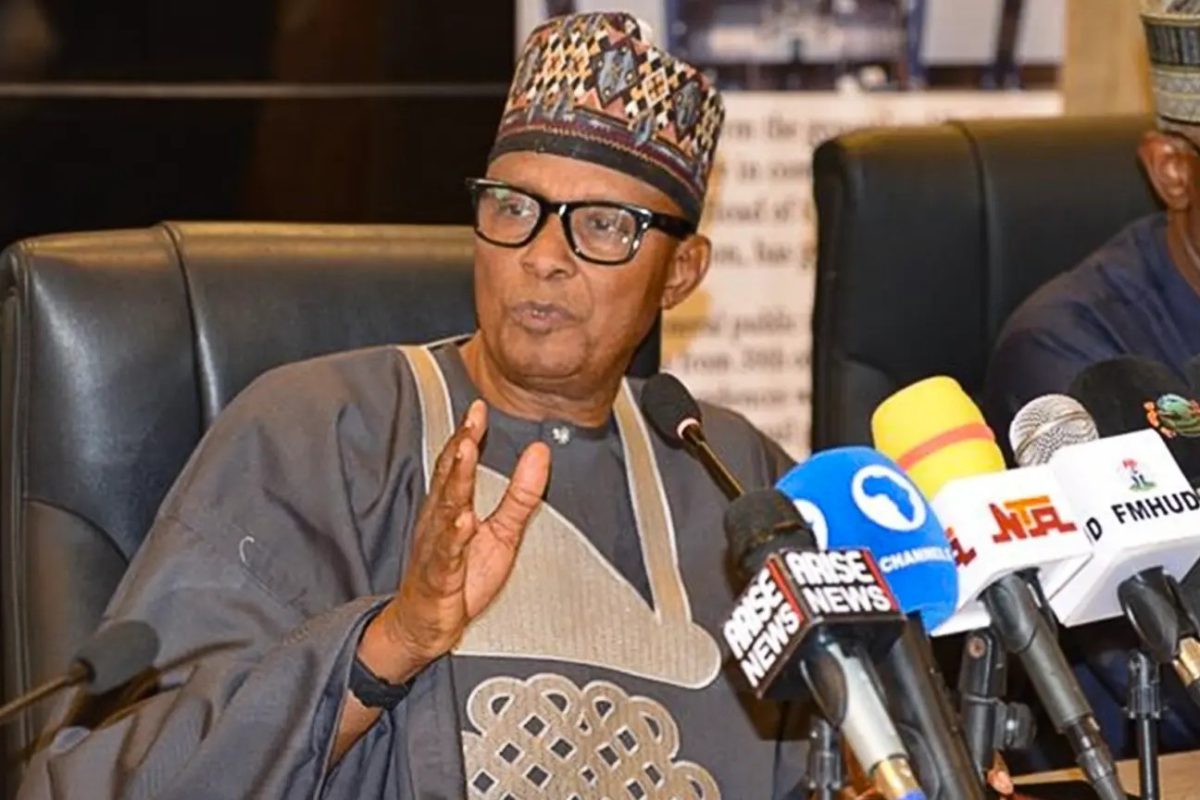
The tranquil surroundings of Landmark Beach in Victoria Island, Lagos State, are undergoing a significant change as the Lagos-Calabar Coastal Highway project’s demolition got underway on Monday. Nigerians’ reaction to the decision, which was led by Minister of Works David Umahi, has been mixed. Here are six key ideas to understand about this developing situation:

Project Initiation: Phase one of the grandiose Lagos-Calabar Coastal Highway project has begun with demolition at Landmark Beach. The massive project is to build a 700-kilometer roadway that will link Lagos to nine other coastal states in the country. The goal of the project is to improve connection, ease business, and promote economic development along Nigeria’s coastline.
Project Scale: The Lagos-Calabar Coastal Highway, which is expected to be completed in eight years in phases, is widely regarded as Nigeria’s largest infrastructure project. This revolutionary road will cost an astounding N4 billion per km, with a projected expenditure of N15 trillion. The enormity of this project highlights its importance within the framework of the country’s infrastructure.
Demolition Scope: The scope of the demolition initiative is limited to buildings that are encroaching on the Lagos-Calabar Coastal Highway’s designated right-of-way. The Landmark Beach Resort’s principal buildings should stay intact, even though the main focus is on removing shantytowns and unpermitted developments. The mandate from the federal government highlights how crucial it is to follow legal frameworks in order to guarantee the project’s smooth execution.
Duration and Cost: The Lagos-Calabar Coastal Highway is expected to be completed in eight years, according to Minister David Umahi’s ambitious schedule. The project’s estimated N15 trillion cost highlights the government’s determination to constructing a cutting-edge transportation network that satisfies international standards, despite the extended length. Stakeholders, however, continue to monitor possible budgetary distributions and resource management during the course of the project.
Compensation Mechanism: As the demolition moves forward, worries about paying impacted people and companies loom large. Minister Umahi has promised compensation, but he has not yet revealed information about the structure of the payout or the methods of delivery. To allay the worries of the affected parties and guarantee fair treatment during the project’s execution, clarity on this front is essential.
Public Attitude: The public’s response to the news that Landmark Beach will be demolished has been conflicted. Some stakeholders bemoan the loss of a cherished recreational location, while others applaud the infrastructure project’s potential to promote economic growth and connection. The opposing points of view highlight the intricate relationship that exists in Nigeria’s urban landscape between the goals of development and the preservation of cultural and recreational areas.
Stakeholders in the Lagos-Calabar Coastal Highway project need to strike a careful balance between development and preservation as it gathers steam. Nigeria can exploit the transformative potential of this infrastructure effort while protecting the interests of its inhabitants and the environment if it maintains transparency, inclusivity, and strong stakeholder involvement. As this enormous project develops and shapes Nigeria’s transport system going forward, keep an eye on it.