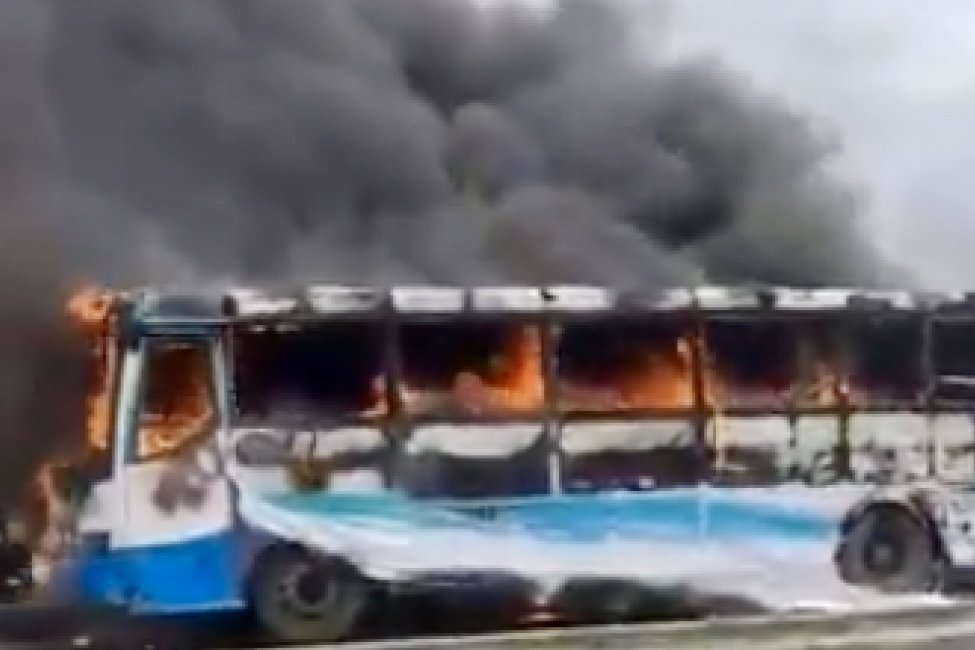
Army arrests IPOB members, dismantles 23 illegal refineries, and recovers 45,000 liters of stolen oil in Niger Delta, intensifying the fight against crime.
PORT HARCOURT, Nigeria — In a series of meticulously coordinated operations between January 12 and 19, 2025, the 6 Division of the Nigerian Army has made significant strides in combating economic sabotage and secessionist activities in the Niger Delta region.
The operations led to the arrest of 25 individuals suspected of oil theft, including four alleged members of the proscribed Indigenous People of Biafra (IPOB), the dismantling of 23 illegal artisanal refineries, and the recovery of over 45,000 liters of stolen petroleum products.
Arrests and Seizures
The Acting Deputy Director of Army Public Relations for the 6 Division, Lieutenant Colonel Jonah Danjuma, detailed the outcomes of these operations in a statement issued in Port Harcourt. He emphasised the army’s unwavering commitment to eradicating economic sabotage and associated crimes within the Niger Delta.
In Rivers State, troops intercepted a truck transporting over 15,000 litres of stolen petroleum products along the East-West Road, en route from Tank to Eneka in the Obio-Akpor Local Government Area. In the Karakarma area of Degema LGA, seven illegal refining sites were deactivated, four fibre boats were impounded, and over 12,000 litres of stolen products were recovered.
Similarly, in Bille, also within Degema LGA, two illegal refining sites were dismantled, and three pots of varying sizes containing over 2,400 litres of stolen products were seized.
Operations extended to the Imo Riverside, where 13 illegal refining sites were deactivated. Troops destroyed 25 drum pots, 24 receivers, and six metal containers, recovering over 7,000 litres of stolen products.
Additional items confiscated included numerous empty gallons, four hollow pipes, motorcycles, and a boat utilized in the illicit activities. In the Oga-Ama corridor of Buguma LGA, four boats and over 2,700 litres of stolen products were recovered.
Furthermore, troops arrested a tugboat and a barge near Finima in Bonny LGA. The barge was reportedly laden with stolen Automotive Gas Oil (AGO).
Arrest of Suspected IPOB Members
In Delta State, a targeted operation led to the arrest of four individuals suspected to be members of the proscribed IPOB at the Power Line Bonsac general area in Oshimili LGA. Several items were recovered from the suspects.
Additionally, multiple motorcycles transporting stolen products were intercepted near Abor Community Junction to Kwale in Ndokwa West LGA. Along the Yokri River in Burutu LGA, five dugout pits containing unquantified quantities of stolen products were destroyed.
Operations in Bayelsa and Akwa Ibom States
In Bayelsa State, along the Okarki to Otuasega road in Ogbia LGA, troops intercepted two Toyota Avalon vehicles with registration numbers AUG 964 TN and SAG 513 EA, each loaded with unspecified quantities of illegally refined AGO. The vehicles and products were handled in accordance with existing operational mandates.
In Akwa Ibom State, troops maintained a vigilant operational posture to deter criminal elements, ensuring the security of the region.
Leadership’s Commendation and Directive
Major General Jamal Abdussalam, the General Officer Commanding the 6 Division, commended the troops for their diligence and urged them to sustain the heightened operational tempo. He emphasised the importance of denying criminal elements, particularly members of IPOB, any foothold in the Niger Delta region.
Contextual Analysis
The Niger Delta, rich in oil reserves, has long been a hotspot for illegal oil bunkering and refining activities. These illicit operations not only undermine Nigeria’s economy but also pose significant environmental hazards. The recent arrests and destruction of illegal refineries underscore the Nigerian Army’s intensified efforts to combat these challenges.
The apprehension of suspected IPOB members in Delta State highlights the persistent security concerns related to secessionist movements in the southeastern region. The Nigerian government proscribed IPOB as a terrorist organisation in 2017, and its activities have since been a focal point of security operations.
Comparative Operations
This recent crackdown aligns with a series of similar operations conducted by the Nigerian Army in the Niger Delta. For instance, earlier in January 2025, the 6 Division reported the destruction of 21 illegal oil refining sites, the arrest of 11 suspected oil thieves, and the recovery of 190,000 litres of stolen petroleum products.
These operations were part of a broader strategy to dismantle the network of criminal enterprises operating in the region.
Implications for National Security
The successful execution of these operations has several implications:
Economic Impact: By disrupting illegal oil refining activities, the Nigerian Army is safeguarding national revenue streams and deterring economic sabotage. The recovery of significant quantities of stolen petroleum products prevents potential losses amounting to millions of naira.
Environmental Protection: The destruction of illegal refineries curtails environmental degradation caused by unregulated refining processes, which often result in oil spills and pollution of water bodies.
Deterrence of Secessionist Activities: The arrest of suspected IPOB members serves as a deterrent to secessionist movements, reinforcing the government’s stance against any actions threatening national unity.
A Positive Perspective
The 6 Division of the Nigerian Army has demonstrated a robust commitment to addressing the intertwined issues of economic sabotage and secessionist activities in the Niger Delta. Through strategic operations, the army has not only apprehended individuals involved in illegal activities but also dismantled the infrastructure supporting such crimes.
Continued vigilance and collaboration with other security agencies are imperative to sustain these gains and ensure long-term stability in the region.
The Unfolding Dynamics of Security in the Niger Delta
The recent operations by the Nigerian Army’s 6 Division are a stark reminder of the multifaceted challenges plaguing the Niger Delta. The region, once heralded as Nigeria’s economic lifeline due to its abundant oil reserves, has become synonymous with insecurity, environmental degradation, and economic sabotage.
The arrest of four alleged IPOB members in Delta State introduces a new layer of complexity to the security dynamics. While IPOB’s activities are primarily concentrated in the southeastern part of Nigeria, its suspected infiltration into the Niger Delta raises questions about the group’s evolving strategies and reach.
Secessionism Meets Economic Sabotage
The intertwining of secessionist activities and oil theft is a potent combination threatening Nigeria’s socio-economic stability. IPOB’s alleged involvement in oil theft underscores the group’s shift towards economic sabotage, a tactic designed to weaken the state’s financial capacity. This development necessitates a re-evaluation of Nigeria’s counter-insurgency and anti-sabotage strategies.
The Nigerian government’s decision to proscribe IPOB as a terrorist organisation has not deterred the group from pursuing its agenda. Instead, it appears to have forced the movement underground, with members allegedly engaging in illicit activities to fund their operations.
Environmental and Economic Costs of Oil Theft
The destruction of 23 illegal artisanal refineries and the recovery of over 45,000 litres of stolen products highlight the scale of oil theft in the Niger Delta. These activities have far-reaching economic and environmental consequences.
Economically, Nigeria loses billions of naira annually to oil theft, a significant blow to a nation heavily reliant on oil revenues. This loss exacerbates the country’s fiscal challenges, undermining efforts to fund critical infrastructure projects and social programs.
Environmentally, illegal refining activities result in widespread pollution. The discharge of toxic byproducts into rivers and farmlands devastates ecosystems, threatens biodiversity, and jeopardises the livelihoods of local communities dependent on fishing and agriculture.
The Role of the 6 Division in Restoring Order
Under the leadership of Major General Jamal Abdussalam, the 6 Division has adopted a proactive approach to curbing crime in the Niger Delta. The division’s success in dismantling illegal refineries and arresting suspected criminals is a testament to its operational efficiency.
However, sustaining these gains requires addressing the root causes of insecurity in the region. Poverty, unemployment, and a lack of economic opportunities are underlying factors driving individuals to engage in illegal activities. Until these issues are adequately addressed, the cycle of crime is likely to persist.
The Way Forward
To ensure lasting peace and security in the Niger Delta, a multi-pronged strategy is essential:
Enhanced Intelligence Gathering: Strengthening intelligence capabilities will enable security forces to preempt criminal activities and dismantle networks of oil thieves and secessionists.
Community Engagement: Building trust and collaboration with local communities can aid security efforts and foster a sense of ownership in the fight against crime.
Economic Empowerment: Investing in job creation and skills development programmes can provide alternative livelihoods, reducing the appeal of illegal activities.
Environmental Rehabilitation: Cleaning up polluted areas and enforcing environmental regulations will restore ecosystems and protect the livelihoods of local populations.
In conclusion, the Nigerian Army’s recent operations in the Niger Delta mark a significant step in the fight against economic sabotage and insecurity. However, achieving lasting stability requires a holistic approach that addresses both the symptoms and root causes of the region’s challenges.
The government must prioritise sustainable development and inclusive governance to transform the Niger Delta from a hotspot of insecurity to a hub of prosperity and peace.
Additional report by Omonigho Macaulay
Atlantic Post National Correspondent