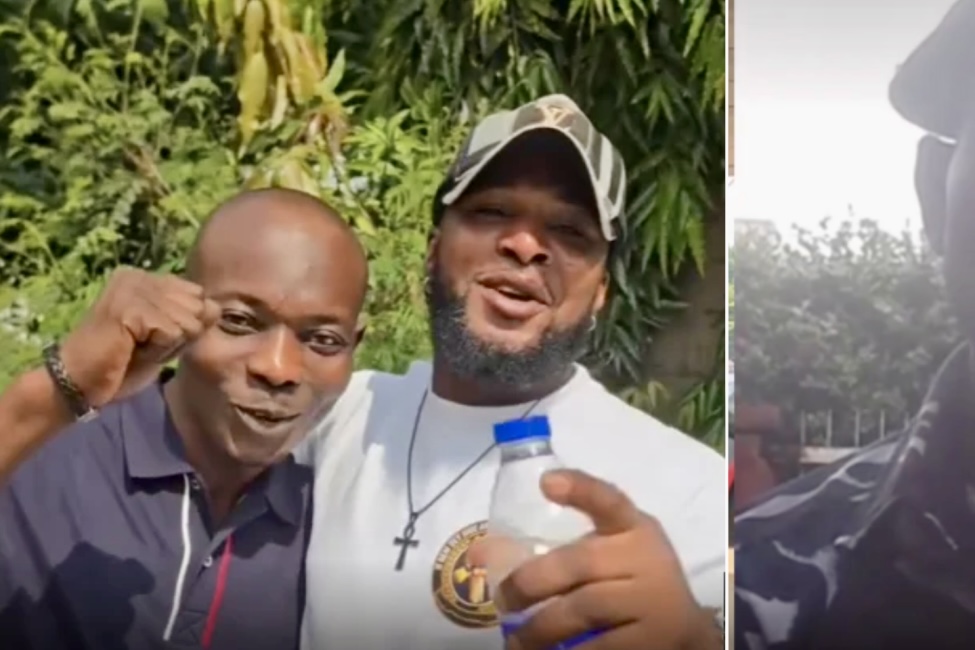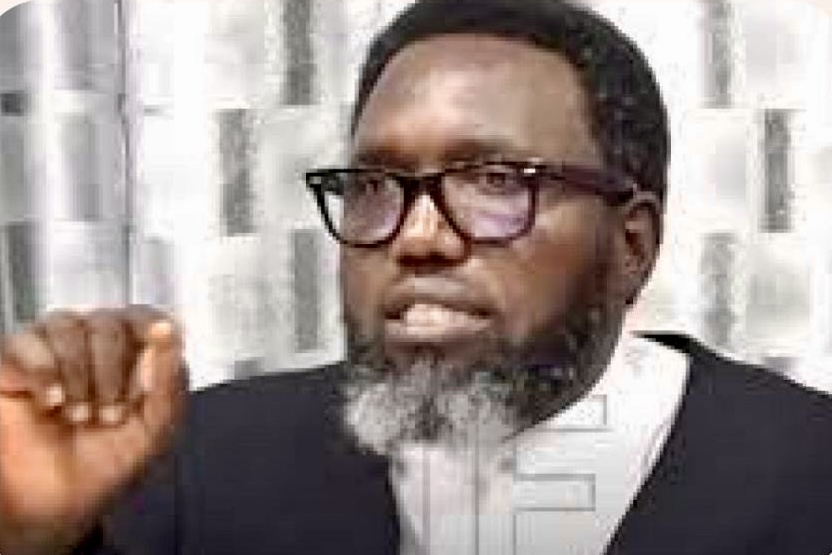
A fierce constitutional battle is now raging in Abuja as human rights lawyer Maxwell Opara asks the Federal High Court to stop the reintegration of repentant insurgents and force their prosecution.
A constitutional storm has erupted at the Federal High Court in Abuja after human rights lawyer Maxwell Opara sued President Bola Tinubu, the Nigerian Army and the Attorney-General of the Federation over the reintegration of repentant terrorists under Operation Safe Corridor.
In a suit filed on Thursday, 23 April 2026, and marked FHC/ABJ/CS/837/2026, Opara is asking the court to halt the programme immediately and compel the prosecution of more than 700 former insurgents said to have been released and reintegrated into society.
At the heart of the case is a blistering challenge to Nigeria’s counterterrorism policy. Opara insists that suspects who are allegedly linked to Boko Haram cannot simply be “reformed” and returned to society without first being tried, convicted and sentenced by a competent court.
He is asking the court to declare the reintegration process unlawful, unconstitutional and a direct breach of the rule of law.
The lawyer argues that neither the Nigerian Army nor the Attorney-General has the legal power to grant de facto immunity or amnesty to persons accused of terrorism, murder, kidnapping and other violent crimes without legislative backing and judicial oversight.
He is also seeking an order stopping Operation Safe Corridor pending the hearing and final determination of the case.
In his affidavit, Opara said he is acting in the public interest and attached an official Nigerian Army press release as evidence. He claimed that the individuals in question were released without trial, conviction or sentencing, despite being reasonably suspected of grave crimes.
According to him, the government’s handling of the matter amounts to a serious assault on judicial authority and a dangerous usurpation of the courts’ power.
He further warned that failure to prosecute such suspects weakens public confidence in the justice system and sends the wrong signal to victims of terror.
Opara also raised national security fears, arguing that reintegrating untried insurgents into communities exposes innocent citizens to real and substantial risk.
He anchored part of his case on the constitutional rights to life, dignity and personal liberty, insisting that citizens cannot be forced to live beside people accused of violent crimes without due legal process.
The suit has not yet been assigned to a judge, but the political and security implications are already enormous.
Operation Safe Corridor has long been controversial, with critics accusing the state of soft-pedalling on terror suspects while victims and displaced communities continue to bear the scars of Boko Haram violence. The new case now places that policy squarely before the court.
For the Tinubu administration, the lawsuit is more than a legal challenge. It is a direct test of whether Nigeria’s war on terror can rely on rehabilitation without first delivering justice.
And for a nation still haunted by insurgency, the central question is now unavoidable: can a government reintegrate alleged terrorists without first making them answer for the bloodshed?
Follow us on our broadcast channels today!
- WhatsApp: https://whatsapp.com/channel/0029VawZ8TbDDmFT1a1Syg46
- Telegram: https://t.me/atlanticpostchannel
- Facebook: https://www.messenger.com/channel/atlanticpostng