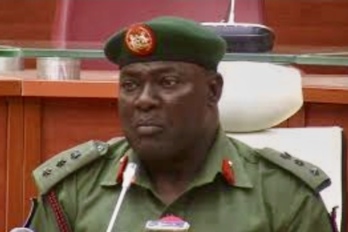
How Was the Body Retrieved While His Wife Remains in Captivity?
A fresh layer of controversy has engulfed the tragic death of retired Major General Rabe Abubakar, as his family publicly challenges the Katsina State Government to explain the circumstances under which his corpse was retrieved from a bandits’ den while his wife remains in captivity.
In a development that raises troubling questions about transparency, negotiation channels, and the opaque dynamics of Nigeria’s banditry crisis, the deceased officer’s son, Ishaka Rabe Abubakar, has made it clear that the family itself has no knowledge of how the body was recovered.
His blunt declaration has now shifted public scrutiny squarely onto the Katsina State authorities.
“Only the Government Can Explain” – Son Breaks Silence
Speaking in a revealing interview conducted in Hausa, Ishaka dismantled circulating narratives and expressed deep frustration over unanswered questions.
“Many people saw the announcement that the funeral prayer would be held at six o’clock. People then asked me, ‘How was the corpse brought back?’ I replied that I cannot answer that question. Rather, the government should be asked about it. Even I myself would like to know how the corpse was brought,” he said.
The statement is as damning as it is revealing. It suggests a disconnect between official actions and the victim’s immediate family, fuelling suspicions that sensitive negotiations or undisclosed arrangements may have taken place behind closed doors.
A Kidnapping That Shook Katsina
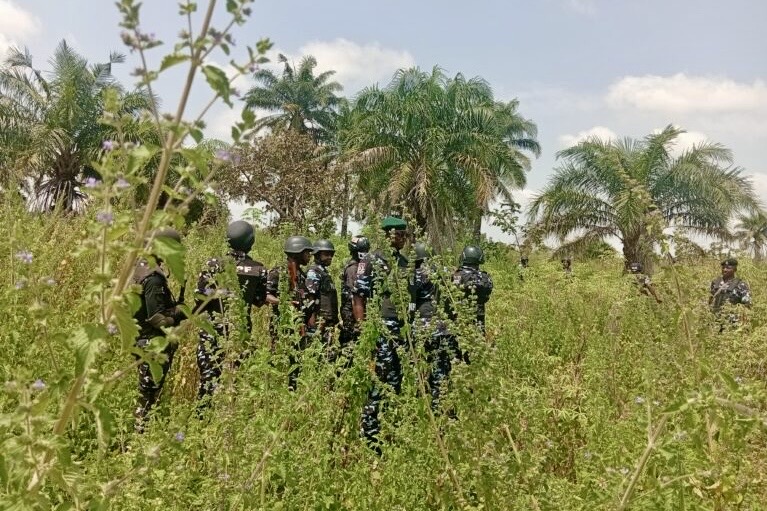
The late General Abubakar and his wife, Amina, were abducted on May 30 along the volatile Marabar Musawa–Kafinsoli Road. The ambush occurred near Zakin Baure village in Matazu Local Government Area, a region increasingly synonymous with bandit violence.
Eyewitness accounts indicated that armed assailants intercepted their vehicle, opening fire and leaving their driver wounded before whisking the couple away into the forest.
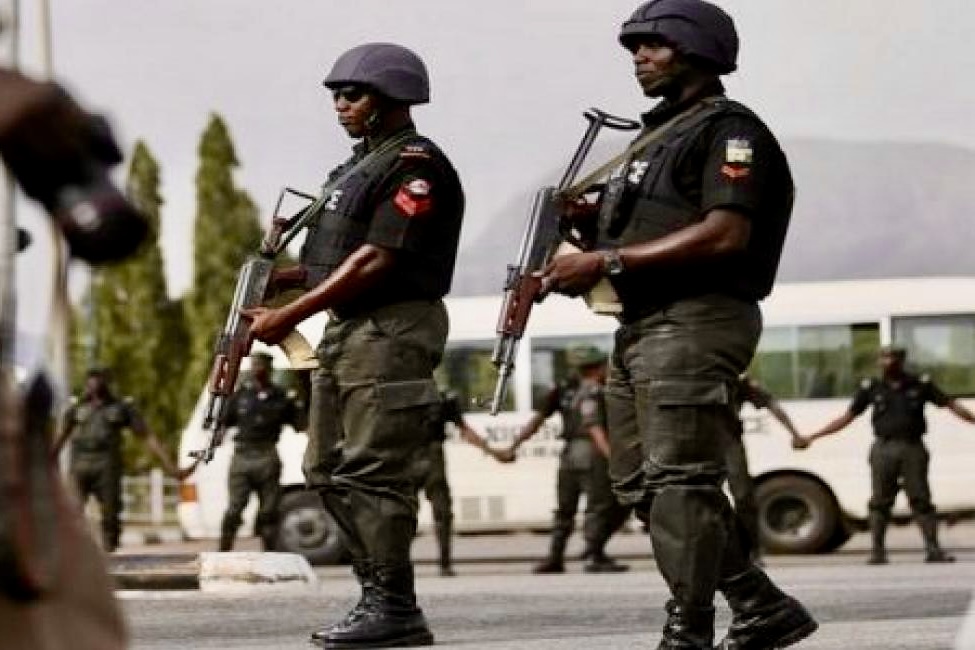
The abduction of a retired senior military officer sent shockwaves through Nigeria’s security establishment, exposing once again the audacity of armed groups operating with near impunity.
Conflicting Accounts Surrounding His Death
From the moment news of the General’s death broke, confusion has trailed the official narrative.
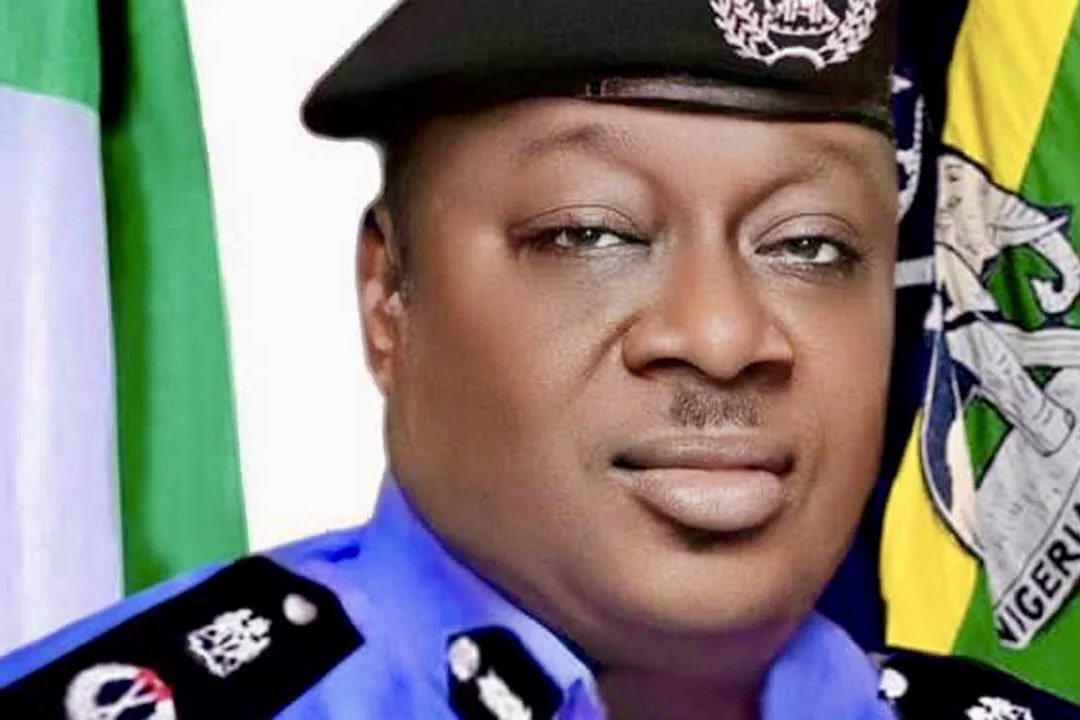
The Katsina State Government, through its Commissioner for Internal Security and Home Affairs, Dr Nasiru Mu’azu, insisted that the retired officer died of natural causes linked to diabetes and hypertension.
“The deceased retired general died a natural death from complications of diabetes and hypertension,” the statement read.
However, Ishaka has firmly rejected that explanation.
“The truth is that it was not diabetes that caused this illness. In our view, it was most likely a snakebite because a snakebite could explain the marks and the condition seen on his leg,” he countered.
This contradiction has opened a wider debate about credibility and whether authorities are downplaying the circumstances of his death.
The Unanswered Question: How Was the Body Retrieved?
Perhaps the most explosive aspect of the unfolding saga is the unexplained recovery of the General’s corpse.
Security analysts point out that in most kidnapping cases involving bandits in north-west Nigeria, even the retrieval of bodies requires negotiations, payments, or covert operations.
Yet, in this instance, there has been no official disclosure of how the remains were secured.
Was ransom paid?
Was there a negotiated release of the body?
Did security forces conduct a covert operation?
The silence from government officials has only deepened public suspicion.
Wife Still in Captivity — Family Debunks “Release” Claims
Amid the confusion, another critical issue has emerged — the fate of the General’s wife.
Contrary to reports suggesting she had regained freedom, Ishaka delivered a categorical denial.
“As of now, anyone who says she has been released is lying. I, Ishaka Rabe, son of General Rabe Abubakar, am saying clearly that she has not been released. She is still in their custody.”
This revelation underscores a disturbing reality — while the dead have been retrieved, the living remain abandoned in captivity.
A Family’s Faith Amid Tragedy
Despite the turmoil, Ishaka struck a tone of spiritual resignation, framing his father’s death within Islamic belief.
“Alhamdulillah, we have faith in Allah. We believe that he died as a martyr. We are certain that, God willing, he will receive Allah’s mercy and reward forever.”
He described his father as a humble, devout, and peace-loving man who lived without hostility towards others.
“Everyone knows that my father never harmed anyone… he lived peacefully with everybody.”
A Carefully Worded Message to the Governor
In a measured but pointed message to the Katsina State Governor, Ishaka stopped short of direct accusations but emphasised the burden of leadership.
“We are not saying that the governor personally did this… However, he is the governor. Whoever is given leadership is regarded as a father, a mother and a guardian of the people.”
His closing remark carried quiet urgency:
“My direct message to the governor is… we are waiting for our mother.”
Government Reaction and Security Implications
Governor Dikko Umaru Radda has described the death as a “dark moment” for Katsina State, pledging intensified efforts against banditry.
Yet, the broader security reality paints a grim picture.
The north-west remains trapped in a cycle of abductions, ransom economies, and weak enforcement capacity. The case of a retired Major General falling victim — and dying in captivity — represents a symbolic collapse of deterrence.
A Crisis of Transparency and Trust
At the heart of this unfolding controversy lies a deeper issue — trust.
When families are left in the dark about critical developments, when official narratives conflict with eyewitness claims, and when governments fail to provide clear answers, public confidence erodes rapidly.
The unanswered question of how General Abubakar’s corpse was retrieved is no longer just a procedural issue — it has become a test of accountability.
The Bigger Picture
This case highlights three urgent realities:
First, Nigeria’s kidnapping crisis has evolved into a structured economy where human lives are bargaining chips.
Second, information management by authorities remains opaque, often fuelling speculation rather than clarity.
Third, victims’ families are frequently sidelined in processes that directly affect them.
Conclusion: A Nation Watching, A Family Waiting
As the dust settles on the burial of a respected military officer, one question continues to echo across Katsina and beyond:
How was his body brought back while his wife remains in captivity?
Until the Katsina State Government provides a clear, verifiable answer, the controversy will persist — and with it, a growing sense that in Nigeria’s security crisis, even death does not guarantee closure.
For the Abubakar family, the ordeal is far from over.
They are still waiting.
Follow us on our broadcast channels today!
- WhatsApp: https://whatsapp.com/channel/0029VawZ8TbDDmFT1a1Syg46
- Telegram: https://t.me/atlanticpostchannel
- Facebook: https://www.messenger.com/channel/atlanticpostng