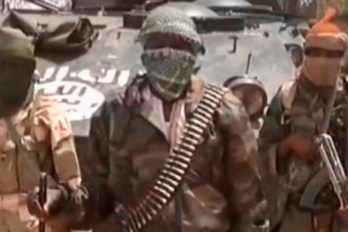
Kaduna has once again become the epicentre of Nigeria’s security debate after reports emerged that armed men described as “repentant” bandits ambushed troops in the state on Monday.
SaharaReporters, citing a relative of one of the slain soldiers, said eight soldiers were killed and that the families were still waiting for formal notification from the military.
Other outlets, however, reported a different toll, saying an officer and six soldiers died in the attack, while the Nigerian Army had not issued an official public statement at the time of filing.
The most explosive account came from a family source who told SaharaReporters, “Yes, I can confirm the killing of eight soldiers, including my brother, by the so called ‘repentant’ bandits in Kaduna State.”
The same source added that “the troops came into contact with the bandits and lost one officer and seven other soldiers during the encounter,” while also alleging that the same group had attacked troops about a week earlier, killing one soldier and badly injuring a commander now said to be receiving treatment.
The conflicting casualty figures are important because they point to a familiar problem in Nigeria’s conflict reporting environment. When security incidents unfold in Kaduna, especially in the Igabi and Chikun corridors, official confirmation often lags behind the first wave of eyewitness accounts, family testimony and security-source reporting.
Premium Times said the army had not responded to an enquiry from its reporter, while BusinessDay and PRNigeria both reported that the troops were ambushed in Rigachikun after a clearance operation along the Kaduna Zaria axis.
What makes this latest incident politically combustible is not only the loss of soldiers but the label attached to the attackers. The phrase “repentant bandits” has become shorthand for one of the most divisive ideas in Nigeria’s security architecture, namely the attempt to persuade armed groups to lay down their weapons through dialogue, rehabilitation and reintegration rather than force alone.
The official Operation Safe Corridor portal describes the programme as the Federal Government’s non kinetic peacebuilding initiative, conceived in 2015 and operationalised in 2016 for willing and repentant insurgents and other low risk armed actors.
That policy remains deeply contested. In an interview published by Punch, Brig Gen Yusuf Ali defended the programme and rejected claims that the people being discussed in some public debates were products of Operation Safe Corridor.
“They are not from Operation Safe Corridor,” he said, adding that state governments also run their own DDR schemes and insisting that the national programme has so far recorded no negative cases.
His defence, however, has not quietened public scepticism, especially in communities that say the burden of violence is being carried by victims while former fighters are offered rehabilitation and reintegration pathways.
That scepticism is rooted in a wider sense of injustice. The reporting on the Kaduna ambush again revived the argument that Nigeria has become too willing to reward those associated with mass violence without first securing meaningful accountability. In the account carried by SaharaReporters and reproduced by other outlets, critics said starter packs and stipends for former fighters look like a slap in the face to victims, internally displaced families and soldiers who have died in service. They also argued that the absence of public prosecutions for major warlords weakens deterrence and allows armed networks to regenerate under new names.
Kaduna’s security history helps explain why this story has landed so heavily. Premium Times noted that the state has endured years of multidimensional violence affecting communities in Igabi, Birnin Gwari, Chikun, Kajuru, Kachia, Jema’a and elsewhere, with the farmer herder conflict, banditry and terrorism blending into one long crisis of displacement and fear. The same report said troops had been intensifying operations along the Kaduna Zaria corridor in recent weeks, which makes the ambush all the more troubling from both an operational and symbolic standpoint.
The immediate question is whether the attack reflects a broader failure of policy or a temporary setback in a grinding conflict. Based on the available reporting, the most cautious reading is that the facts are still being settled, the toll is still being verified, and the Army has yet to speak clearly enough to calm public anxiety. What is already beyond dispute is the deeper political damage. Each unconfirmed rumour, each delayed notification to bereaved families, and each allegation that surrendered fighters have returned to violence chips away at confidence in the state’s security assurances. Until the Army clarifies the facts and the government confronts the credibility gap around reintegration policy, Kaduna will remain a theatre of blood, doubt and anger.
If you need, I can turn this into a sharper Atlantic Post homepage version with a stronger front page headline and a shorter punchier deck.