The Plateau killings have become more than another northern tragedy. They have reignited Washington’s fury, sharpened pressure on Abuja, and exposed how Nigeria’s terror crisis is now inseparable from the wider Sahel security collapse.
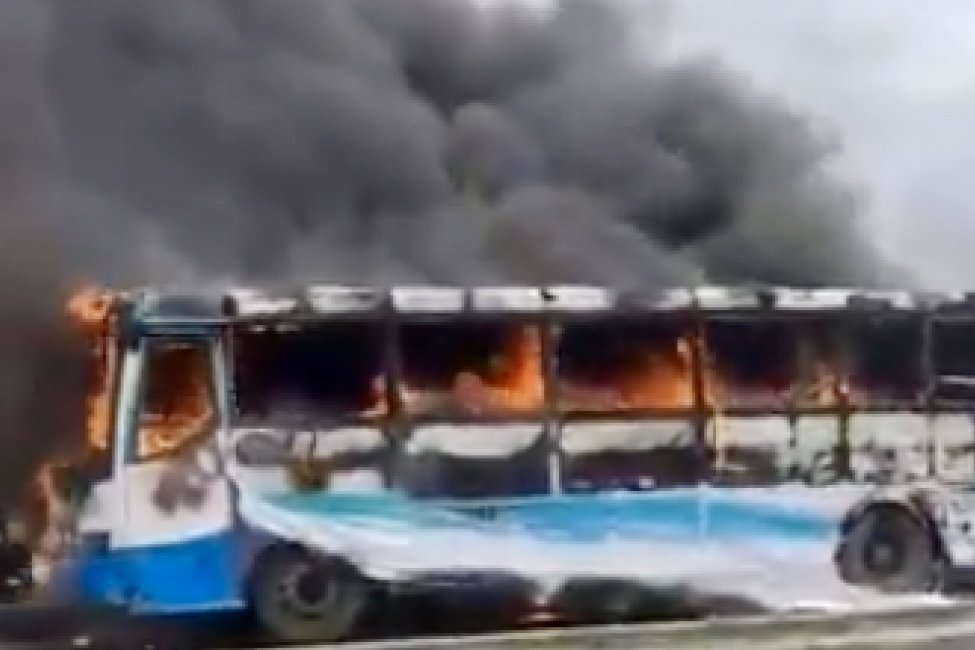
ABUJA, Nigeria — Palm Sunday in Jos has again turned into a scene of national shame. Gunmen attacked Angwan Rukuba in Jos North on Sunday night, with Reuters reporting at least 30 dead and AP putting the toll at at least 20, while Plateau authorities imposed a 48 hour curfew.
No group has claimed responsibility, but the bloodshed has once again underlined how fragile life remains in Nigeria’s Middle Belt.
That vacuum of accountability is exactly what Washington is now seizing on. Senator Ted Cruz has already pushed the issue into the centre of US policy.
He said in September that Nigerian Christians are being targeted by Islamist terrorist groups. They are forced under sharia and blasphemy laws.
His bill seeks targeted sanctions on officials he says facilitate the violence. It calls for a fresh Country of Particular Concern designation for Nigeria.
USCIRF also says twelve state governments and the federal government enforce blasphemy laws.
Congressman Riley Moore has now piled on the pressure after the Jos killings, calling the attack “sickening and unacceptable” and warning Abuja to strengthen security before Easter and the Triduum or face consequences for relations with the United States.
His intervention matters because it shows the Plateau crisis is no longer being read only as a domestic policing failure. It is now being treated in Washington as a test of whether Nigeria can protect worshippers at all.
Abuja, yet, is pushing back hard against the most sweeping accusations. Reuters reported that Foreign Minister Yusuf Tuggar rejected the “Christian genocide” framing. He said Nigeria would continue to defend all citizens irrespective of creed. The African Union Commission chair, Mahmoud Ali Youssouf, stated that the first victims of Boko Haram are Muslims, not Christians.
That pushback does not erase the violence, but it does show the political and diplomatic battle around it is intensifying.
Even so, the underlying crisis is undeniable. USCIRF says Nigeria is facing a terrifying crisis of religious violence. Nearly 53,000 civilians have been killed since 2009. Around 21,000 of them were killed in the last five years alone.
The same report says the violence is driven by extremist attacks. Economic and ethnic tensions contribute to the issue. State level blasphemy laws also play a role. Years of inadequate response and corruption exacerbate the violence.
That is why Jos cannot be treated as an isolated outburst. The United Nations says terrorism in the Sahel is spreading alongside transnational organised crime. It is also spreading with illicit trafficking. EU and regional declarations warn that terrorism is squeezing the Sahel and the Lake Chad Basin. This is due to weak governance, fragile institutions, and poor security capacity.
In plain language, the danger is not localised. It is networked, mobile and regional.
The answer cannot be another round of curfews and condolences. Nigeria needs faster intelligence sharing and stronger community protection. There must be serious action against terror financing. Prosecutions should reach beyond the gunmen to the organisers, enablers, and officials who shelter violence through omission or complicity.
That approach aligns with UN and EU counter terrorism priorities. It focuses on preventing radicalisation, cutting off financing, and strengthening accountable institutions.
If Plateau becomes just another name on a long list, the damage will not stop at Nigeria’s borders.
The Middle Belt is already feeding a wider insecurity arc that runs through the Sahel. Every delayed response invites another attack. Each delay leads to another funeral and another round of international outrage.
Abuja now faces a blunt choice. It must move faster than the killers, or keep surrendering the initiative to them.
Follow us on our broadcast channels today!
- WhatsApp: https://whatsapp.com/channel/0029VawZ8TbDDmFT1a1Syg46
- Telegram: https://t.me/atlanticpostchannel
- Facebook: https://www.messenger.com/channel/atlanticpostng