Council of State Approves Amupitan as INEC Chair: A Critical Test for Electoral Reform
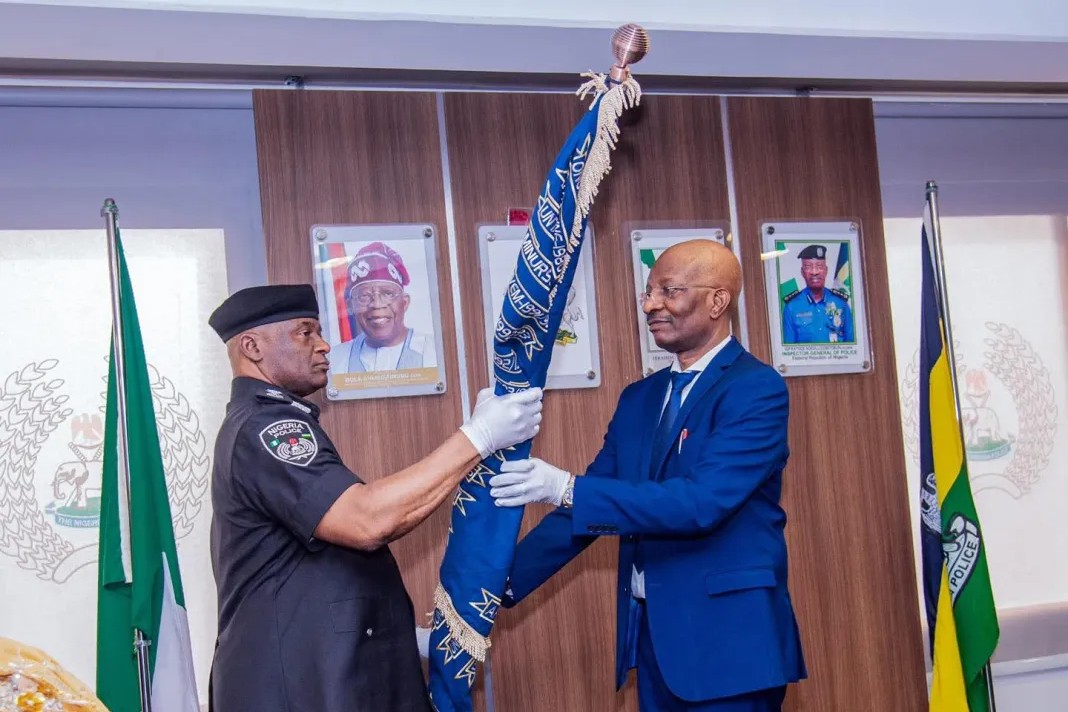
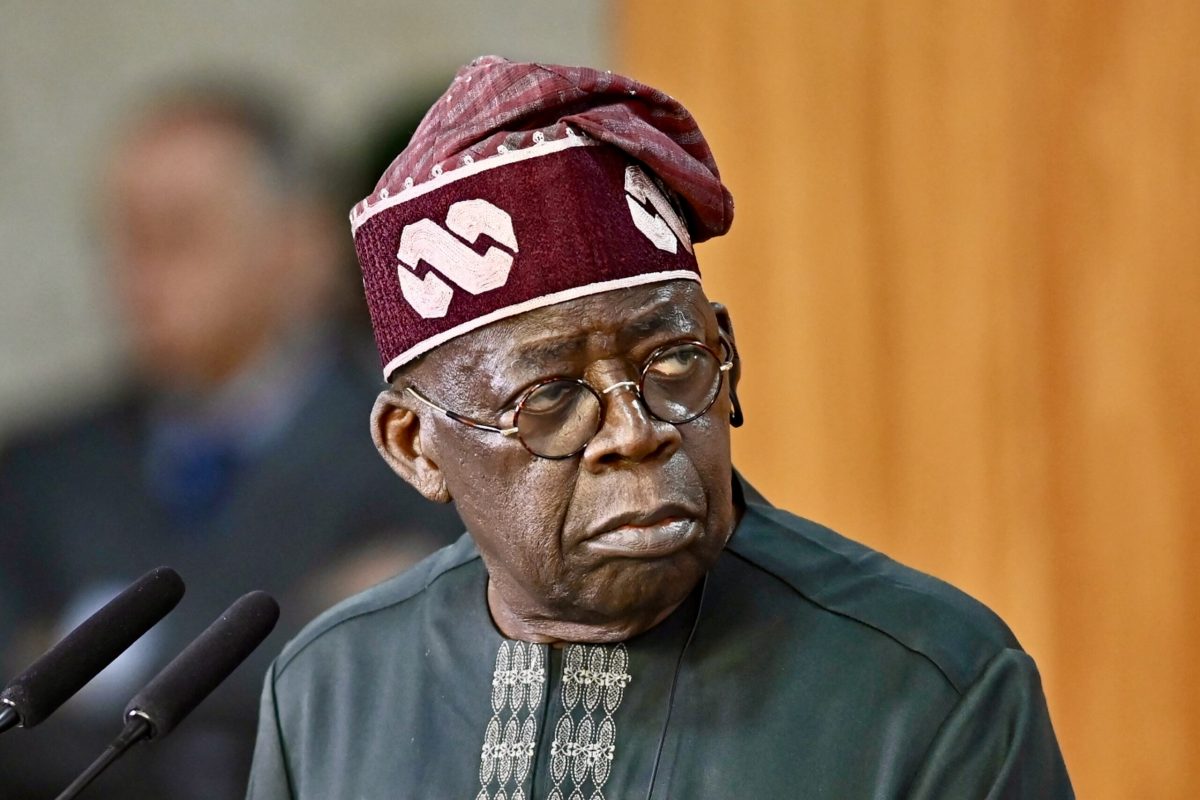
The National Council of State has unanimously approved Professor Joash Ojo Amupitan (SAN). He will be the new chairman of the Independent National Electoral Commission. President Bola Tinubu promptly transmitted this development to the public through his media aide. President Tinubu presented Amupitan’s name to the Council at the Presidential Villa in Abuja. In line with the constitution, he will now send the nomination to the Senate for screening.
The speed of the announcement and the unanimity in the Council’s communiqué mask a far deeper national anxiety. Nigeria faces an urgent test. The appointment comes as Professor Mahmood Yakubu withdraws after a decade in charge. His tenure ended this autumn. It leaves an INEC still bruised by technological failure, logistical chaos, and a worrying collapse of public confidence. The new chairman takes office at a moment when the nation demands not mere managerial competence but bold structural reform.
Who Is Joash Amupitan?
Professor Joash Ojo Amupitan, 58, is a scholar of law at the University of Jos. He has been a Senior Advocate of Nigeria since 2014. His academic CV is robust. He holds an LL.B and LL.M from the University of Jos and a PhD earned in 2007. At UNIJOS he rose through administrative ranks. He became the deputy vice-chancellor (administration). He has served as dean and head of department. He has also taken on governance roles at other institutions. These include roles like Pro-Chancellor and chairman of the governing council at Joseph Ayo Babalola University. His published books on corporate governance and evidence law underline a thoughtful career in legal scholarship. Those qualifications explain why the presidency describes him as apolitical. They also clarify why governors and council members hailed him as a man of integrity.
Qualifications, though, are not the same as electoral experience. The job of INEC chairman is not like a university deanship. It is more like running a state within a state during election seasons. It involves logistics, security, technology, law, and above all, public legitimacy. The central question now is whether a seasoned academic can reimagine and stabilise a national commission. He has spent much of his life inside lecture theatres and governing councils. This commission urgently needs reform and public re-engagement.
The Burden of the Office and the Shadow of 2023
Mahmood Yakubu’s decade at INEC coincided with two of the most contentious electoral cycles in Nigeria’s modern history. The 2023 general election introduced new technologies to guarantee transparency. Most notably, the Bimodal Voter Accreditation System, BVAS, was intended for this purpose. Yet, in many crucial instances, the technology did not deliver the promised integrity. Investigations and observer reports noted problems with planning, device performance and results transmission. Those failures fed legal challenges and a perception among many citizens that the process had been compromised.
This collapse of confidence should animate Amupitan’s first months. The hard fact is that a majority of Nigerians want competitive elections. But, they do not trust the electoral commission to deliver them. Afrobarometer surveys and regional analyses repeatedly show that trust in political institutions is low. INEC remains among the least trusted organs in the public mind. Any incoming chairman who ignores that trust deficit will quickly find that the commission’s moral authority evaporates. This will occur during the next round of national contests.
Structural Problems That Demand Reform
This appointment should be a trigger for a national conversation on deep institutional overhaul, not a moment to tinker. The problems are structural and severalfold.
First, technology is a double edged sword. BVAS and similar devices were introduced to end proxy voting and to speed transparent transmission of results. But the 2023 experience shows that technology will amplify failure without resilient logistics. It highlights the importance of rigorous testing and independent auditability rather than preventing failure. The lesson is clear: Adopt technology, but follow strict protocols. These protocols should allow independent validation. They must also supply forensic access to raw data.
Second, the legal and statutory framework requires surgery. INEC itself has started internal reviews of the Electoral Act. They also reviewed operational procedures. Nevertheless, those reviews must be matched by legislative clarity. The Electoral Act 2022 contained important changes yet left unresolved technical and enforcement gaps that show up at polling units. A transparent, time-bound programme to close those gaps and to codify chain-of-custody for electronic records is essential.
Third, funding and independence. A credible electoral commission must be both properly funded and insulated from partisan pressure in personnel and procurement. Nigeria’s current practice creates unavoidable conflicts. The executive nominates the chairman. Very significant elements of election funding and logistics fall within the executive’s purview. The country should urgently debate a model. This model should strengthen parliamentary oversight. It needs to tighten procurement transparency. It should protect critical appointments from opaque patronage. Without these changes, the commission’s independence will stay more aspirational than real.
Fourth, field operations and security. INEC’s logistical challenges include moving personnel, securing materials, and coordinating with security agencies. These challenges were obvious in past elections. The commission must publish and commit to a robust, independently monitored logistics timetable, with contingency plans subjected to public scrutiny.
A Roadmap for Amupitan — Ten Immediate Priorities
If Professor Amupitan intends to be a reformer, here are ten priorities he should adopt promptly. He should not stay just a caretaker.
- Open the BVAS and transmission archives for independent forensic audit within 60 days. Commit publicly to publishing the findings in full.
- Commission an urgent, independent audit of INEC procurement and tender processes for the past two electoral cycles.
- Negotiate a statutory package with the National Assembly to strengthen the Electoral Act where the commission’s own review identified gaps.
- Publish a time-bound electoral calendar. Develop a logistics plan for the next general election. Assign named heads of responsibility. Conduct red-team stress tests.
- Create a transparent security coordination framework that guarantees non-interference and empowers returning officers.
- Create a permanent independent observers registry. Create a real-time results portal that exposes results at polling-unit level promptly. Make sure there is no gatekeeping.
- Expand voter education nationally, with specific targeted campaigns for women, youth and marginalised regions.
- Reform appointment processes for senior INEC officials to introduce merit-based, transparent selection.
- Mandate an annual public performance and financial audit, published and explained in plain language.
- Launch a national listening tour. This will help to rebuild trust. Start with states and communities most afflicted by electoral violence or disputed outcomes.
These are not academic recommendations. They are practical, testable measures that can start to reverse Nigeria’s alarming fall in trust in its institutions. The incoming chairman will be judged less by his CV than by his willingness to open INEC to sunlight.
Signals From Abuja — Why The Process Matters
How the Senate proceeds with Amupitan’s screening will be an early gauge. It will show if Nigeria’s democratic institutions are willing to submit their stewards to rigorous public scrutiny. Alternatively, it will show if they prefer to rubber-stamp executive choices. The Council of State’s unanimous vote gives the presidency a political victory. But the Senate owes the electorate an independent assessment, not a formality. For credibility, the confirmation process must be thorough, public and forensic.
Regional and international observers will watch closely. Election management bodies across Africa face both the promise and peril of technology. They also deal with the politics of transition. Nigeria’s handling of this leadership change will be seen as a test case. The International IDEA analysis of Nigeria’s transition stresses that leadership choices in commissions matter hugely for democratic consolidation.
Final Word — A Moment of Opportunity or Another Missed Chance
Professor Joash Amupitan arrives at a high noon of expectation. He is a respected legal mind with administrative experience. Those qualities matter. But they will count for little if his tenure begins with secrecy and continues with incrementalism. Nigeria needs a chairman who will treat INEC as a public trust not a managerial fiefdom. That requires radical transparency, legal tightening, technological auditability and a public engagement strategy that addresses the trust deficit.
This appointment can start a long overdue institutional renewal. Alternatively, it can be a moment when the machinery of state covers up long-standing failures. For the health of Nigeria’s democracy, Professor Amupitan must choose urgently. The public is watching. The commissions of the past can be studied, but the future will be judged by results.
Follow us on our broadcast channels today!
- WhatsApp: https://whatsapp.com/channel/0029VawZ8TbDDmFT1a1Syg46
- Telegram: https://t.me/atlanticpostchannel
- Facebook: https://www.messenger.com/channel/atlanticpostng