Borno’s ₦1.8bn ‘Repentance’ Revolver: Ex‑Insurgents Rewarded While Schools and Clinics Crumble
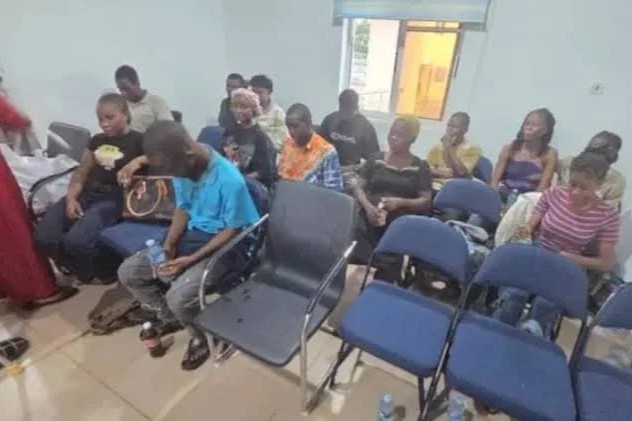
A shocking review of Borno State’s half‑year budget performance for 2025 reveals that the government channelled ₦1.8 billion into livelihood support for “repentant” Boko Haram members—₦1.6 billion of which was disbursed in Q2 alone (March–June).
To put it bluntly, for every ₦1 spent on water facilities, hospitals or schools, more is being poured into a controversial rehabilitation programme whose success on the ground is all too questionable.
Education vs. Ex‑Insurgents: A Stark Contrast
In the 2025 budget, the Basic Education Board was allocated ₦11 billion for capital projects.
Yet the state earmarked ₦7.4 billion—67.2% of that education envelope—for ex‑Boko Haram livelihood support, leaving teachers, pupils and parents reeling at the arithmetic.
Between January and September 2024—a period that saw horrific new attacks—the government spent just ₦2.6 billion on constructing and equipping public schools, while dishing out ₦3.4 billion to those who once sought to destroy those very institutions.

Healthcare in Crisis, Yet Militants Thrive
The State Primary Healthcare Development Board’s 2025 capital budget stands at ₦8.7 billion.
By contrast, the ₦7.4 billion set aside for insurgent rehabilitation represents a staggering 85% of that sum.
Worse still, from January to September 2024, Borno invested a meagre ₦1.4 billion in hospital and clinic refurbishments—less than half of the ₦3.4 billion spent on ex‑fighters.
With nearly two million internally displaced persons in the state and health indicators plummeting, the priorities look grotesquely misaligned.
Water, Roads and the Irony of Priorities
Only ₦359 million was devoted to water projects between January and September 2024—versus ₦3.4 billion on insurgent aid.
The 2025 budget further underscores the imbalance: ₦4.3 billion for water facilities against ₦7.4 billion for “repentance” schemes.
Public roads fared no better, with ₦2.035 billion allocated to construction and maintenance—again dwarfed by the insurgent purse.
This raises the inescapable question: Why is Borno investing more in former militants than in basic infrastructure for law‑abiding citizens?
Security Expert’s Alarm: Funds Fail to Stem Violence
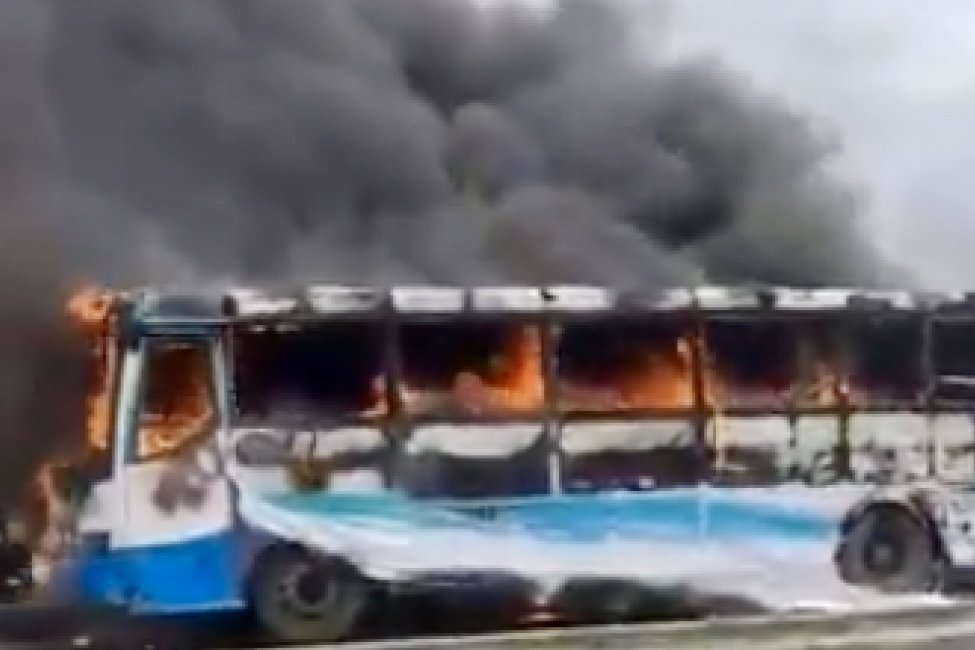
Ironically, while billions flow to so‑called rehabilitated fighters, Boko Haram and its ISWAP offshoot continue to terrorise communities.
In April, Governor Babagana Zulum sounded the alarm on regrouping terrorists in Tumbus and the Mandara Hills within Sambisa Forest, stressing that non‑kinetic measures must complement military operations.
“Borno State has, within the last three years, received more than 300,000 repentant Boko Haram fighters, and not all of them are fighters. Some of them are farmers,” he said.
“If the Sahel is not secured, Nigeria will never be secured. There is a need to fortify the security situation in the Sahel…”
His plea for more attack helicopters, sophisticated drones and anti‑drone systems underscores a grim reality: soft reintegration alone will not disarm a determined terrorist network.
Historical Costs and the Price of “Repentance”
Since the insurgency erupted in 2009, estimates place Nigeria’s economic losses at USD 9 billion by 2016, not to mention over 35,000 killed and two million displaced—Borno bearing the lion’s share.
In 2024, the reintegration, disarmament and demobilisation programme had a separate budget of ₦3.457 billion, which was fully utilised by September.
The 2025 allocation of ₦7.46 billion—the seventh largest capital project—signals a doubling down on an approach whose return on investment, in lives saved and communities secured, remains dubious.
Critical Questions Unanswered
- Effectiveness: How many “repentant” fighters return to violence?
- Oversight: What accountability mechanisms ensure funds reach legitimate beneficiaries?
- Opportunity Cost: Could these billions better serve education, health or IDP resettlement?
Until these questions are answered—and the state demonstrates tangible security gains—Borno’s spending spree on ex‑insurgents will appear less like rehabilitation and more like an expensive experiment in misplaced priorities.
As Borno State pours ₦1.8 billion into livelihood packages for “repentant” Boko Haram members, its children learn in crumbling schools, patients wait in dilapidated clinics and rural communities lack clean water.
In the face of resurgent terror, the governor’s clarion call for beefed‑up military capability rings true—but so does the mounting criticism that revenge for peace costs too dear when basic governance is sacrificed.
It is high time Borno recalibrated its budget to protect citizens first, before pampering ex‑fighters whose loyalty remains untested.