On 17 June 2025, Tony Nnadi, speaking for the Nigeria Indigenous Nationalities Alliance for Self‑Determination (NINAS), issued a blistering indictment of the political and constitutional structures he says have enabled a “Fulani Conquest” of Nigeria’s Middle Belt.
He decried the “countrywide killings sweeping through Benue State,” condemned the “conspiracy of silence” among leaders in Makurdi and Abuja, and demanded that Nigeria “suspend the doomed voyage to 2027 Elections” in favour of a “Transitioning Process” to address existential threats.
The Latest Toll: Hundreds Slain, Thousands Displaced
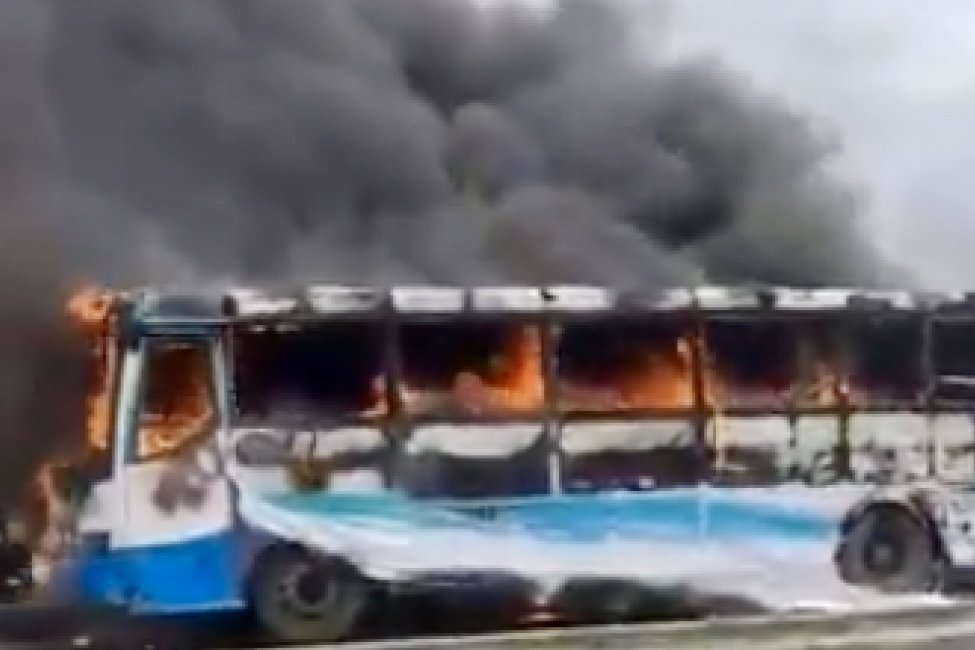
Between Friday night and dawn on Saturday, gunmen attacked the Yelewata community in Guma LGA, killing around 100 villagers, including women and children, and leaving charred market stalls and homes ablaze.
Survivors say that over 150 people were left dead when assailants stormed sleeping families and set fire to shelters in the local market, decimating an entire year’s harvest of rice and yams.
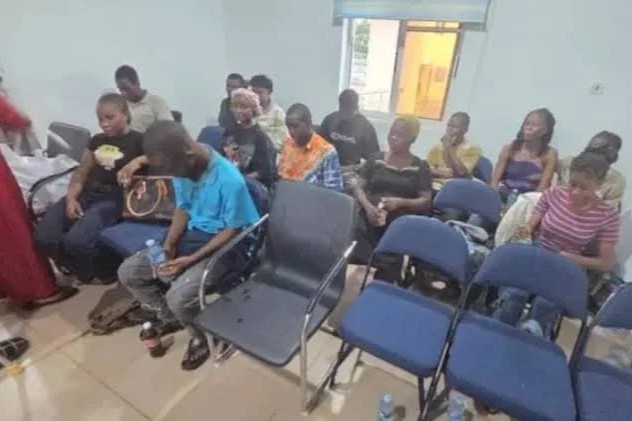
According to the National Emergency Management Agency, at least 3,000 residents have been forced from their homes, joining a mounting tide of internally displaced persons across Benue.
Official State Narrative: A Worsening Farmer–Herdsman Crisis
The massacre in Yelewata is part of a broader farmer–herdsman conflict that, since 2019, has claimed 542 civilian lives and displaced over 2 million Nigerians nationwide, according to disputed research by SBM Intelligence.
Benue, often called the “Food Basket of the Nation,” has borne the brunt of this crisis, with rising fatalities and humanitarian needs hampering its agricultural productivity and economic stability.
From 1804 to Today: The Fulani Conquest Agenda
Mr Nnadi traces the roots of the violence to the Fulani jihads initiated by Usman dan Fodio in 1804, which saw the founding of the Sokoto Caliphate and the subjugation of Hausaland and beyond.
He argues that successive administrations—from Premier Ahmadu Bello’s era through the 1960s Tiv revolts—to the Civil War and post‑war constitutional arrangements have cemented a unitary framework that empowers armed Fulani militias over indigenous defence.
Mid‑20th‑Century Rebellions and the 1967 Civil War
Under Northern Region Premier Ahmadu Bello, tensions boiled over in the Tiv uprisings of 1960 and 1964, when peasants revolted against heavy taxation and local authority abuses, resulting in hundreds of deaths and human rights abuses.
The Aburi Accord of January 1967, intended to avert all‑out war, failed to prevent the descent into civil conflict—the Nigeria‑Biafra War—pitting Middle Belt soldiers against Igbo secessionists and deepening ethnic distrust.
Post‑War Punitive Measures and Constitution‑Making
After the war, punitive policies such as the Abandoned Property Edict of 1970 and subsequent land‑use and indigenisation decrees systematically dispossessed Igbo communities, impoverishing them and entrenching regional inequalities.
The 1979 Constitution, drafted under General Murtala Mohammed’s committee and later rolled forward in 1999, enshrined a strong central presidency that critics say leaves minority groups exposed to well‑armed invasion without meaningful local defence mechanisms.
Political Silence and Internal Sabotage
As communities bleed, there has been scant leadership from those in power. While President Bola Tinubu has condemned the “senseless bloodletting” and pledged to visit Benue for the first time since taking office, Nnadi highlights a “conspiracy of silence” from Benue’s Governor and key federal appointees.
Only Chief of Defence Staff General Christopher Musa has publicly blamed internal saboteurs—within both military and political leadership circles—for undermining efforts to secure the state.
The 2027 Election Distraction
Opposition parties and ruling elites, Nnadi asserts, are preoccupied with the permutations for the 2027 general elections, using the Benue carnage as a tool for partisan accusations.
Tinubu’s suggestion that the Governor and his critics simply “reconcile among themselves” is seen as a diversionary tactic to shield those whose power hinges on state capture and vote manipulation.
As Tony Nnadi of NINAS mourns the “wanton killings” in Benue and calls for an immediate halt to election preparations under a flawed constitution, Nigeria faces a pivotal choice.
It can either continue the “doomed voyage”toward 2027 or embark on a transition that dismantles the unitary straitjacket, addresses the Fulani Conquest onslaught, and restores local defence and governance.
The stakes, as the blood flows, could not be higher.