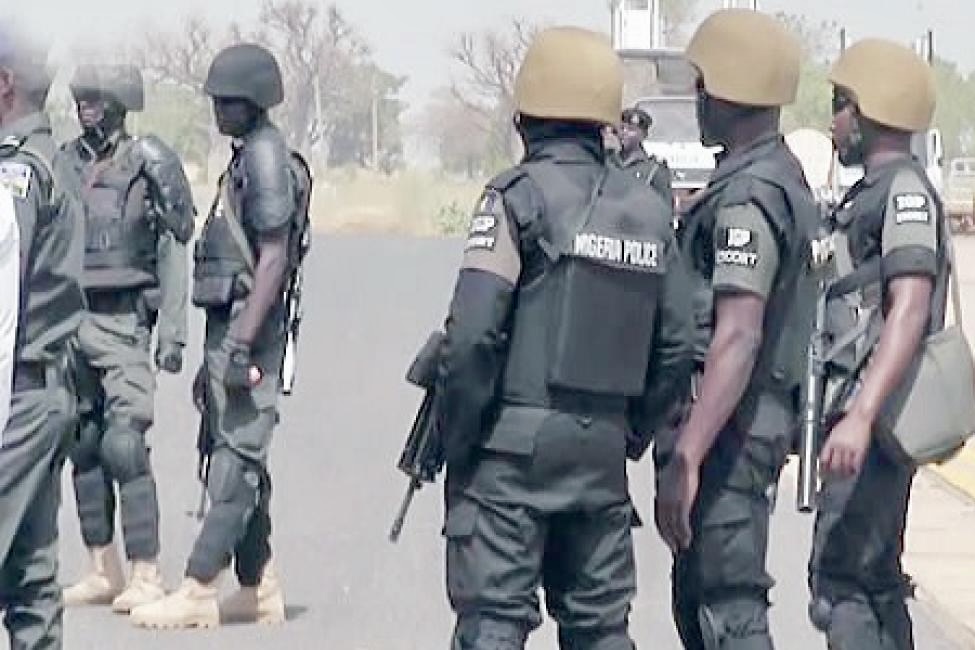
The Nigerian Army on 11 October 2025 announced what it described as a sweeping and intelligence-driven set of operations across multiple theatres that it says culminated in the neutralisation of a top IPOB/Eastern Security Network commander known as “Alhaji”, the deaths of a further 25 militants and criminal elements, the arrest of 22 suspects and the rescue of five kidnapped civilians.
The force’s statement, posted on its official channels and amplified by national outlets, names a pan-Nigeria sequence of raids and engagements from Ebonyi in the South East to Sokoto in the North West and Borno in the North East.
What the army calls a “display of coordinated might” reads on paper like a turning point. But a forensic look at the operation, the targets named, the evidence publicly shown and the recent arc of violence in Nigeria raises immediate questions about verification, proportionality and the political ripple effects of high-profile counterinsurgency claims.
The headline strike: ‘Alhaji’ and a shrine in Imo
According to the army, troops of Sector 2 Operation UDO KA traced and killed a wanted IPOB/ESN commander identified as Alhaji at a hideout in Ezza-Eyimaggu, Izzi Local Government Area of Ebonyi State. The statement alleges the suspect tried to disarm a soldier during his arrest and was “eliminated after a brief scuffle.”
The same communique claims that troops of 34 Artillery Brigade discovered and destroyed an IPOB/ESN shrine in Mbaitoli, Imo State, described as a locus for criminal indoctrination.
IPOB and its armed wing ESN have been central to a spiralling security crisis in the South East since 2021. The group remains proscribed by the federal government, which blames armed factions for abductions, sit-at-home enforcement and a sharp uptick in violence that independent analysts have documented.
A recent SBM Intelligence review flagged hundreds of deaths and major economic losses linked to separatist actions in the region. Those background facts make any claim of a leadership decapitation politically weighty.
North East: Gajiram, surrenders and strikes
In Borno State the army reports that troops from FOB Gajiram, working with the Civilian Joint Task Force (CJTF), engaged ISWAP/JAS fighters along the Gajiram–Bolori–Mile 40–Gajiganna axis, neutralising four terrorists and freeing two civilians.
The statement also says the troops recovered more than ₦4.3 million and two mobile phones seized earlier by the insurgents. Elsewhere a 109 Special Forces Battalion action in Magumeri reportedly killed five fighters and yielded one AK-47 and ammunition.
The Lake Chad theatre has seen a resurgent ISWAP campaign throughout 2025, with independent researchers recording a notable rise in attacks, increasing use of drones and a tactical shift that has tested Nigeria’s “supercamp” posture.
Analysts from ISPI and the Soufan Centre have warned of ISWAP’s tactical sophistication and its ability to both strike military outposts and sustain influence in remote enclaves. Any battlefield success against ISWAP is therefore significant — but so too is the need for independent corroboration of enemy fatalities and captured materiel.
North West and North Central: Drugs, bandits and cattle rustlers
The army statement stretches further: in the North West, 8 Division garrison troops and vigilantes intercepted consignments allegedly moving from Lagos to Zamfara, handing suspects to the DSS for investigation; in Anka LGA troops reportedly rescued kidnap victims and neutralised attackers.
In Nasarawa and Benue the Operation WHIRL STROKE raids purportedly netted kidnappers, charms and arms, while Operation ENDURING PEACE foiled cattle rustlers on Plateau and arrested drug peddlers.
Those claims map onto an ugly national mosaic: banditry, organised theft of pastoral stock and trafficking have for years migrated across state lines and legal boundaries, and attempting to blur the line between criminal enterprise and insurgency.
South-South: cultists, rifles and recovered bikes
In Rivers and Edo states the army says Sector 3 Operation DELTA SAFE engaged cultists, neutralised two and arrested one, recovering rifles, magazines and motorcycles.
Such operations highlight the multiplicity of violent forms in southern Nigeria where cultism, organised kidnapping for ransom and illicit smuggling networks remain endemic and frequently overlap with political and economic grievances.
Numbers, weapons and the hard proof problem
The military’s tally for the weekend operations is concise: five kidnapped victims rescued, 26 terrorists and criminal elements neutralised, and 22 suspects arrested. Items recovered reportedly include several AK-47 rifles, magazines, assorted ammunition, motorcycles, charms, mobile phones and crude weapons.
Media outlets re-posted the army’s photos and short videos within hours. Yet Nigerian journalism of past years shows how quickly imagery can be recycled from older raids, or how battlefield claims can outpace independent verification.
HumAngle and other watchdogs have repeatedly flagged instances where old photographs were used to represent fresh events, a pattern that should make editors and investigators cautious.
Why this matters beyond the body count
A few stakes are immediate.
First, legitimacy. The army’s public messaging seeks to reassure domestic and international audiences that the state is regaining ground. In political terms, a string of apparent victories bolsters the federal narrative that security operations are restoring stability to farming, commerce and trade routes.
This is a claim the army explicitly links to food security ambitions. But without clear, independent verification of battlefield deaths, arrests and rescued hostages, those claims risk being dismissed as propaganda.
Second, human rights and due process. Amnesty and other rights monitors have for years raised concerns about excessive force, arbitrary detentions and extrajudicial killings in the South East and across counterinsurgency theatres.
When the military announces an “elimination” after a suspect “attempted to disarm a soldier,” questions follow: was the suspect in custody, was lethal force a last resort, will there be transparent military or judicial review? The prosecution of suspects and the protection of civilians require more than press statements.
Third, the insurgent supply chain. The arrests of logistics couriers allegedly transferring spare parts, drugs and cash suggest the violence is sustained by sprawling criminal pockets that link the Niger Delta, Lagos and northern criminal economies. Choking those supply lines matters more than trophy kills because it degrades the enemy’s ability to reconstitute.
Independent verification and the reporter’s checklist
Atlantic Post’s investigative correspondent I pressed the evidence against a short checklist before filing this report:
• Primary source: The army’s statement and social media posts are the immediate source. These are cited here.
• Independent corroboration: Local media outlets (TVC, Leadership, Daily Post) republished the army release; we note they appear to have relied on the military text. Independent confirmation by neutral monitors, local civil society groups or humanitarian agencies is not yet public.
• Historical pattern: Past operations have sometimes been accompanied by later disputes over civilian harm or photographic recycling. That historical precedent advises caution.
• Strategic context: ISWAP’s resurgence, the spike in South-East separatist violence and the growth of bandit networks in the Northwest mean that these operations occur inside a broader, worsening security environment.
Conclusion: victory claims require scrutiny, follow the evidence
If the army’s account stands up to independent scrutiny it will mark a tactical win spanning multiple problem theatres. But the pattern of Nigerian security communication over the last half decade shows that battlefield assertions need follow-up.
This should include satellite imagery where possible, interviews with rescued civilians, hospital records, weapons forensics and open access to arrested suspects held by civilian agencies.
Without those, high numbers and dramatic names, such as “Alhaji,” will remain contestable.
The Nigerian Army says it is committed to creating a safer environment for farming and commerce. The next test will be transparency.
Will the military allow credible monitors to validate its claims? Will the DSS and other agencies pursue prosecutions in open courts rather than secret detentions?
Those steps, not only battlefield tallies, will determine whether this announcement marks a turning point or another episode in a long, uneven and contested struggle.
Follow us on our broadcast channels today!
- WhatsApp: https://whatsapp.com/channel/0029VawZ8TbDDmFT1a1Syg46
- Telegram: https://t.me/atlanticpostchannel
- Facebook: https://www.messenger.com/channel/atlanticpostng