The Nigerian Army has ordered an immediate withdrawal of all military personnel allegedly attached to Chief Idowu Asonja, the Ondo State coordinator of Tantita Security Services Nigeria Limited.
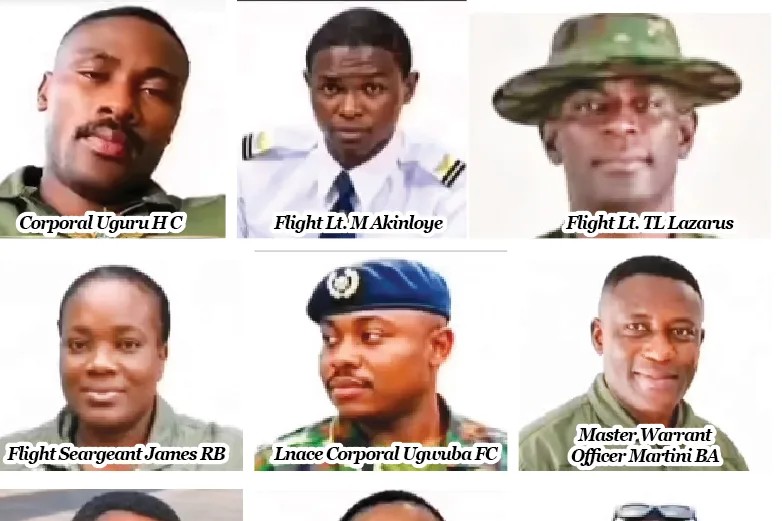
The directive reportedly came directly from the Chief of Army Staff, according to SaharaReporters. It bans soldiers from serving as Asonja’s bodyguards. Soldiers are also prohibited from accompanying him to social or traditional events. The directive demands their return to designated riverine and pipeline security postings.
This development must be read against a wider backdrop of charges and countercharges. These have turned a local labour dispute into a test of civil-military boundaries and corporate accountability.
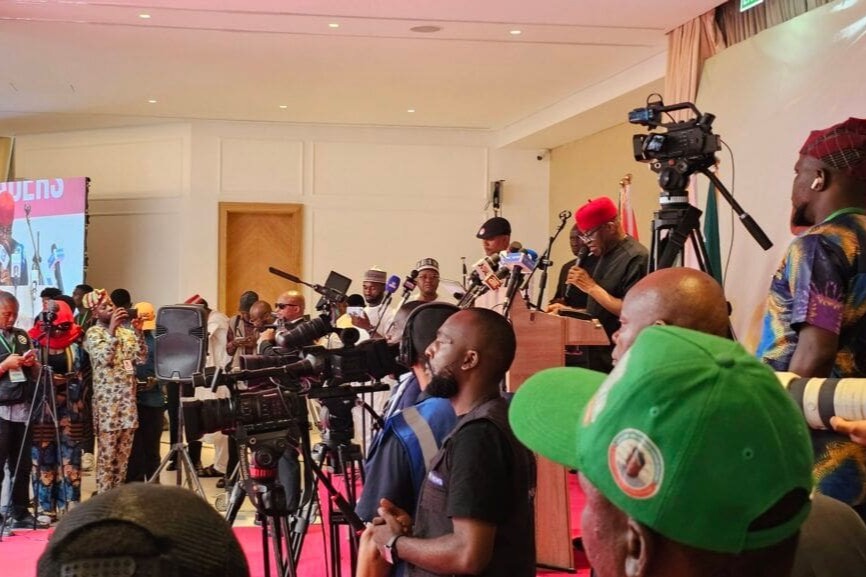
In the last week, protesters in Okitipupa accused Asonja of withholding two years of wages. They claimed Asonja was inflating payrolls with ghost names. Asonja allegedly used armed men, including soldiers, to intimidate critics. They also allegedly burned the property of a community leader.
Videos and eyewitness accounts circulated online. They aggravated public outrage. These accounts prompted direct appeals to Tantita founder Government Ekpemupolo, who is popularly known as Tompolo.
Independent reporting deepens the red flags. Tantita’s Ondo chief security officer was recently dismissed amid allegations surfaced in internal reviews. The reviews included WhatsApp chats and receipts that suggest improper conduct. Community leaders claim that arson and assault accompanied the clashes.
It is unclear whether those materials prove criminality. They might be the artefacts of factional local politics. This uncertainty is precisely why the army’s intervention is necessary. Still, it is not enough.
Tantita itself has tried to shape the narrative. The company’s Ondo chapter issued a statement. They denied that bona fide staff were unpaid. They alleged that protesters are linked to oil thieves. These thieves’ interests are threatened by the company’s surveillance operations.
That rebuttal raises the familiar problem in the Niger Delta where anti-theft security operations and local economic grievances often collide. Tantita is chaired by Government Ekpemupolo. It is now a prominent security contractor in the oil belt. Tantita has argued that its work against illegal refining and bunkering is vital to national revenues.
There is a precedent and a principle at stake. Nigerian military law and practice are explicit about the need for discipline and authorised deployment of personnel. The Armed Forces Act and internal military law set out that unauthorised attachments breach service discipline. Private use of soldiers invites court-martial.
Civil society groups and media investigations have repeatedly condemned the use of soldiers as VIP escorts. They note that it corrodes public trust. It also blurs the line between national defence and private power projection.
Recent years have seen several court-martials of soldiers for indiscipline. This indicates both the scale of the problem and the institution’s choice of punitive remedies.
A comparative glance at similar incidents is instructive. Across Nigeria, there have been recurring allegations. Military personnel are allegedly used informally to protect powerful individuals. They are also reportedly deployed to secure commercial interests, especially around oil infrastructure.
Where the state has stood aside, private security outfits and militias have filled the vacuum, with mixed results. The Tantita affair shows how a security firm evolved from a militant leader’s transition into corporate life. It can bring both ability and controversy in equal measure.
Tantita has high-profile contracts. The company has publicly asserted that a large share of diesel and refined products in the market derives from illicit refining. This claim situates the company at the centre of the anti-bunkering fight.
For the Atlantic Post reader the questions are urgent and binary. First, did soldiers act under the colour of official orders? Or did individual officers and soldiers flout regulations for pecuniary or personal reasons?
Second, have legitimate employee grievances been dismissed as criminal mischief by a firm engaged in contested security work? Third, will the army’s order be followed by an open, independent investigation that can separate criminal acts from operational necessity?
The answers demand transparency. The army must make public the basis of its directive. It should name any formations or commands implicated. It also needs to set out the disciplinary path for errant personnel. Tantita should publish payroll audits, contractual documents and the evidence behind its internal dismissals.
The Ondo state authorities and federal regulators should convene an independent probe. They need to include forensic accounting. They should also ensure witness protection for labor complainants and traditional rulers. Without these steps the withdrawal order will amount to a pause, not a remedy.
If Nigeria is to professionalise its security sector and protect communities, private security must be tightly regulated. Military personnel should not be available for private hire. Company practices must withstand public scrutiny.
The Tantita crisis involves multiple aspects. It is a workplace scandal and a challenge to military discipline. It is also a moment for constitutional governance to assert itself. The public has a right to know which of those narratives will prevail.