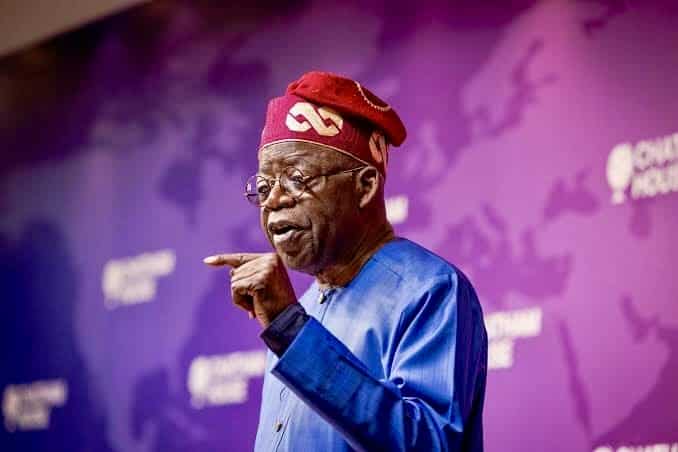
Tinubu meets GenCos to resolve N4 trillion electricity debt, avert grid collapse and drive sector reforms amid Nigeria’s worsening power crisis.
ABUJA, Nigeria – President Bola Tinubu’s planned emergency summit with Nigeria’s power-generating companies (GenCos) represents a high-stakes gambit to stave off the collapse of a chronically underfunded electricity sector.
With debts ballooning to a staggering N4 trillion—comprising N2 trillion for supplies in 2024 and N1.9 trillion in legacy obligations—the GenCos warn of imminent grid failure unless urgent payments and structural reforms are enacted.
Nigeria’s generation capacity hovers around 4,000 MW despite a theoretical potential exceeding 13,000 MW, leaving a yawning supply–demand gap that forces households and industries into daily bouts of load-shedding lasting up to six hours.
This report critically examines the roots and repercussions of the debt crisis, evaluates Tinubu’s intervention so far, and outlines the reforms necessary to steer Nigeria towards a stable, cost-reflective and sustainable power future.
Background: A Sector in Perpetual Crisis
Historic Underperformance
Since privatisation in 2005, Nigeria’s power sector has struggled to translate its vast hydrocarbon wealth into reliable electricity.
Despite an installed capacity of approximately 13,500 MW, actual generation seldom exceeds a third of that, largely due to ageing infrastructure, vandalism and chronic underinvestment.
Only 45% of Nigerians are connected to the national grid, and average daily supply rarely surpasses four hours, compelling many businesses and households to run diesel generators at unsustainable cost.
Mounting Demand and Insufficient Supply
Rapid population and economic growth have driven electricity demand up by an estimated 4% per annum across Africa, with Nigeria at the epicentre of this surge.
Yet in Q2 2024, electricity supply fell 5.03% year-on-year to 5,612.52 GWh, down from 5,769.52 GWh the previous quarter, underscoring a deepening supply shortfall.
This mismatch has translated into daily load-shedding of roughly six hours for forced outages and four hours for planned maintenance, paralysing key sectors.
The N4 Trillion Debt Scourge
Anatomy of the Debt
GenCos are owed N2 trillion for power supplied in 2024 and N1.9 trillion in legacy debts dating back years, totalling over N4 trillion.
This liquidity crisis has crippled operations, curtailed maintenance budgets and stymied infrastructure upgrades, raising the spectre of a national grid collapse.
Economic and Social Fallout
The perpetual power deficit costs Nigeria an estimated US$29 billion annually in lost GDP, hampering industrial output, deterring foreign investment and exacerbating unemployment.
Hospitals, schools and critical services operate intermittently, while SMEs face debilitating energy costs that erode competitiveness and fuel inflation.
Tinubu’s Intervention: Emergency Measures or Political Theatre?
Urgent Summit with GenCos
In response to the deepening crisis, President Tinubu has summoned GenCo leadership to Abuja for an emergency meeting to settle a substantial tranche of the N4 trillion debt in cash, with the balance to be addressed via promissory notes over the next six months.
This follows Tuesday’s high-level talks between Power Minister Adebayo Adelabu and GenCo chairmen, signalling a rare alignment between government and private stakeholders.
Rhetoric vs Reality
While Adelabu has pitched the debt settlement as a national emergency requiring immediate cash injections, critics question the government’s fiscal bandwidth amidst competing budgetary demands.
The reliance on promissory notes—often derided as “post-dated cheques”—has historically failed to deliver timely payments, breeding scepticism among GenCos and investors alike.
Underlying Drivers of Dysfunction
Policy Inconsistencies and Subsidy Imperatives
Systemic failures, policy flip-flops and unsustainable subsidies have distorted the market, leaving tariffs misaligned with true cost recovery.
Adelabu has called for full market liberalisation and cost-reflective tariffs, maintaining that targeted subsidies will shield vulnerable Nigerians but end blanket bail-outs.
Exchange Rate Volatility and Fuel Supply
The dramatic naira depreciation—from N157/US$1 in 2013 to around N1,600/US$1—has inflated foreign-denominated maintenance and loan obligations, squeezing GenCo finances.
Erratic gas supply further undermines thermal plants, which account for over 80% of generation, while transmission losses of up to 45% boil down to dilapidated infrastructure and theft.
Pathways to Reform
Short-Term Liquidity Relief
Immediate settlement of a significant cash tranche, coupled with credible promissory notes, could stabilise GenCo operations and avert grid collapse—provided the government honours its commitments without delay.
Medium-Term Structural Overhauls
Market Liberalisation: Full unbundling of transmission, generation and distribution, with transparent pricing mechanisms to attract fresh capital.
Cost-Reflective Tariffs: Phased removal of cross-subsidies, aligning end-user prices with true costs while protecting low-income households via targeted social tariffs.
Regulatory Strengthening: Empowering NERC to enforce performance benchmarks, penalise defaults and streamline licensing for renewable and mini-grid projects.
Long-Term Sustainability
Diversification into decentralised renewables—solar mini-grids and off-grid solutions—can mitigate transmission bottlenecks and broaden access, as evidenced in other sub-Saharan contexts.
Conclusion
Without decisive action, the N4 trillion debt saga threatens to implode Nigeria’s power sector, deepening economic malaise and social hardship.
Tinubu’s emergency meeting marks a critical juncture: mere rhetoric and delayed promissory notes will only postpone the reckoning.
True redemption lies in a bold mix of cash relief, market reforms and investment in resilient, decentralised energy systems. The presidency must deliver on its promises—and fast—lest Nigeria remains mired in perpetual darkness.