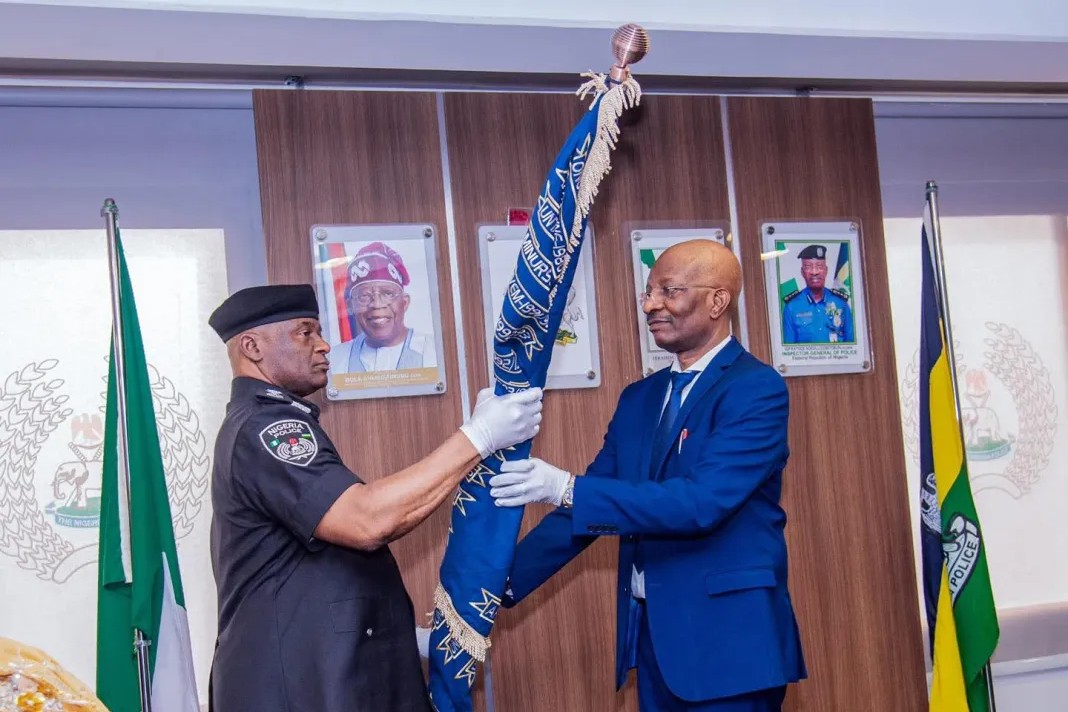
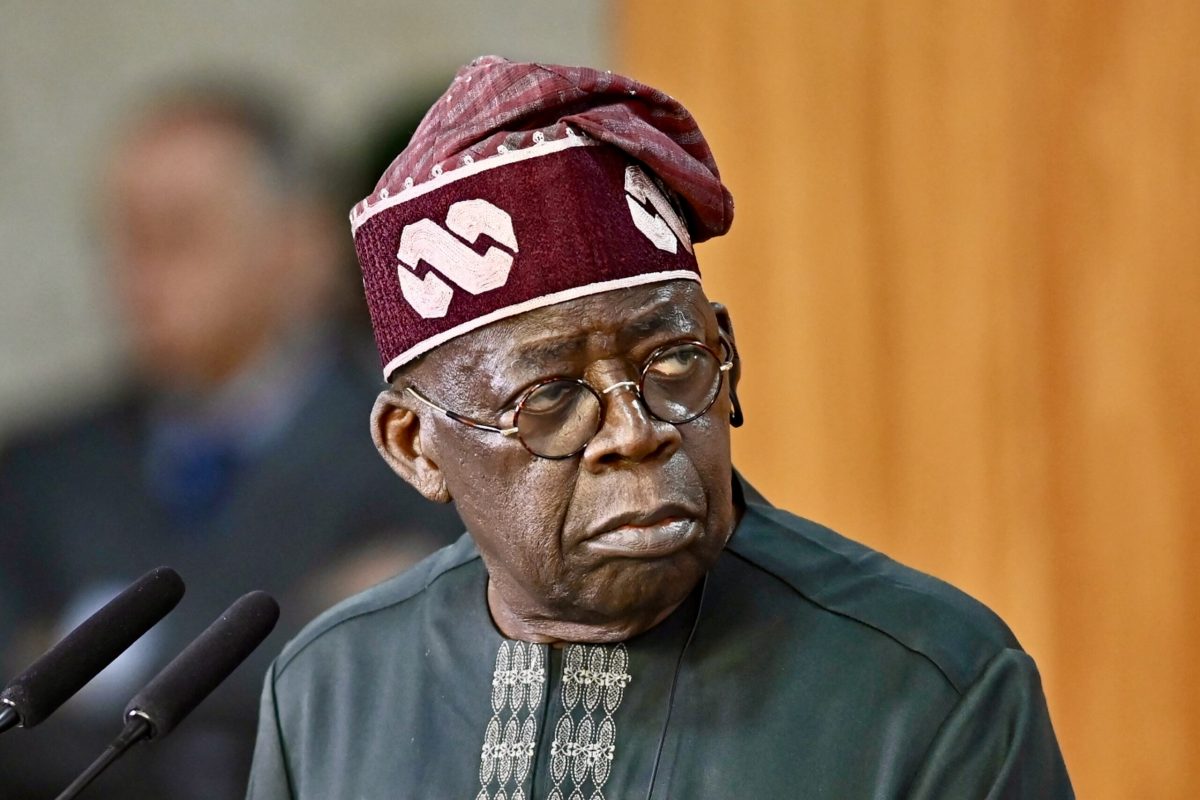
President Bola Ahmed Tinubu this week moved to steady a roiled security apparatus by meeting service chiefs at the Presidential Villa and forwarding the nomination of retired General Christopher Musa as Minister of Defence, a rapid response to the shock resignation of Mohammed Badaru Abubakar.
The meeting and nomination were framed as a decisive step to tighten coordination between the Armed Forces, intelligence services and police as Nigeria faces a fresh wave of mass kidnappings, armed raids on highways and attacks on worshippers and farming communities.
What is unmistakable is the political theatre that surrounds the personnel change. Badaru’s resignation, formally conveyed in a letter dated 1 December and attributed to health reasons, came at a time when the nation’s security narrative is dominated by the November mass abductions and repeated attacks in multiple states.
The quick nomination of Musa — a former Chief of Defence Staff with operational experience across multiple theatres — is intended to project competence and continuity. But competence on paper will count for little if it is not translated into measurable field results.
The operational reality that drove these moves is stark and quantifiable. Late November saw a mass abduction that took more than 300 pupils from a school, evoking the trauma of the 2014 Chibok abductions and demonstrating that the threat to schools remains acute.
International and local agencies report a pattern of at least a dozen mass school abductions in recent years and hundreds if not thousands of individual kidnappings across the country in the last decade.
Save the Children and UNICEF have repeatedly warned that attacks on schools are rising and that children are being traumatised and deprived of education on an unprecedented scale.
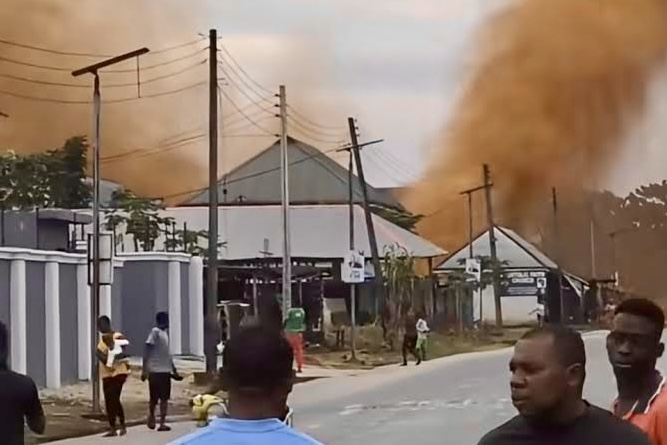
In the past 48 hours alone the security emergency has been tested across several states. Reports from Imo and Abia describe a convoy attack on the advance team of Abia State Governor Alex Otti near Sam Mbakwe Airport in Owerri and the abduction of a busload of passengers in Ngor Okpala township, while Plateau State recorded an early morning raid in Chakfem community that killed at least three people and injured several others.
In Sokoto locals reported chilling threats by outlaw groups demanding extortion payments for the safety of farming communities. Human rights monitors have condemned these incidents and demanded urgent coordinated action.
Civil society and regional powerbrokers have offered sharply divergent readings. The Human Rights Writers Association of Nigeria has characterised the recent attacks as evidence that the declared security emergency is yet to translate into meaningful protection for citizens and called for immediate action with stronger federal and state collaboration.
By contrast, the Northern Elders Progressive Group has defended the Minister of State for Defence, Bello Matawalle, arguing that recent joint operations and rescues point to progress and warning against politicising security.
Both positions carry political freight and both point to a central truth. There have been episodic successes. There has not been a convincing, consistent deterrent strategy.
A short historical comparison makes the scale of the present failure visible. The 2014 Chibok abduction of 276 girls was a pivot that exposed glaring intelligence and response gaps. Since then Nigeria has recovered some hostages and scored tactical successes, but the strategic picture has worsened in breadth.
Kidnapping for ransom has evolved into industry in some regions, insurgency has metastasised in others, and criminal gangs have capitalised on weak state presence in large swathes of territory. The immediate post-Chibok years saw concentrated counterinsurgency campaigns in the north east. Today the violence is geographically diffuse. That demands a different posture not only more boots.
Policy responses announced by the presidency — recruiting tens of thousands of new police, redeploying VIP units, and commissioning forest guards for remote areas — address the manpower shortfall but will not, on their own, fix systemic deficits. Recruitment without sustained training, improved intelligence fusion, logistics, and accountability risks producing more under-resourced units flung at a problem that is partly structural.
The creation of manpower buffers must be matched with investment in signals intelligence, joint operations centres that truly fuse military and civil intelligence, and improved welfare for frontline troops to deter corruption and maintain morale.
The nomination of Christopher Musa should be judged against clear and measurable criteria. Military experience is necessary but not sufficient. The incoming minister must be empowered to drive procurement reform, overhaul the defence logistics chain, insist on transparent operations metrics, and purge political interference where it undermines field operations.
A ministerial leader who restricts himself to headline visits and press statements will achieve little. The presidency must also commit to prosecuting criminal financiers and dismantling the ransom economy. Without parallel work on the judicial and financial fronts kidnappers will simply be displaced but not defeated.
There is also an urgent need to reassess the balance between kinetic operations and community protection. A one-size-fits-all kinetic response risks producing civilian casualties and alienating the very communities whose cooperation is essential for human intelligence.
Success stories in other fragile states hinge on localised community policing models, credible witness protection, and incentives for community leaders to report suspect movements.
Timbering those models into the Nigerian context will require political capital, resources and patient implementation. International partners can assist with training and technology but ultimate success must be homegrown and accountable to Nigerian institutions.
Crucially, accountability must be prospective and retrospective. The presidency should set time-bound operational objectives for the Defence Ministry and security chiefs with publicly measurable indicators.
Examples include monthly reductions in successful abductions along identified risk corridors, time to response metrics for reported attacks, and the percentage of ransom-linked networks investigated and prosecuted.
A transparent audit of joint operations and logistics within six months would show whether the new marching orders yield improved capability or merely paper plans. The public will judge success in the safety of children in schools, commuters on inter-state roads, and worshippers at places of worship.
Finally, any discussion of personnel changes must not obscure the political calculations. The resignation of Badaru is being read widely as more than a health exit. Commentators suggest it may preface a wider cabinet reshuffle as the administration sharpens electoral strategy ahead of 2027.
The danger of politicking over security is plain. Security policy must remain insulated from short-term political expediency. If the defence ministry becomes another instrument in electoral manoeuvring the humanitarian and national security costs will be severe.
To conclude, President Tinubu’s meeting with security chiefs and the quick nomination of a seasoned former CDS are necessary steps. They are not sufficient. Nigeria needs a surgical package of measures that marry manpower increases to intelligence reform, community-centred protection, legal action against ransom networks, procurement transparency and rigorous public metrics.
The coming weeks will show whether Musa’s nomination and the State House summit are the start of a coherent operational pivot or the next episode in a familiar cycle of announcements followed by continuing raids, abductions and grief.
For thousands of parents and for communities across Imo, Abia, Plateau, Sokoto and beyond the unacceptable test is simple. They need fewer headlines about mass abductions and more data showing sustained declines in attacks. The security emergency must be judged by outcomes not rhetoric.
Follow us on our broadcast channels today!
- WhatsApp: https://whatsapp.com/channel/0029VawZ8TbDDmFT1a1Syg46
- Telegram: https://t.me/atlanticpostchannel
- Facebook: https://www.messenger.com/channel/atlanticpostng