By Editor
Nigeria’s Fuel Crisis Takes New Twist: Oil Marketers Plan to Undercut Dangote’s High Petrol Price

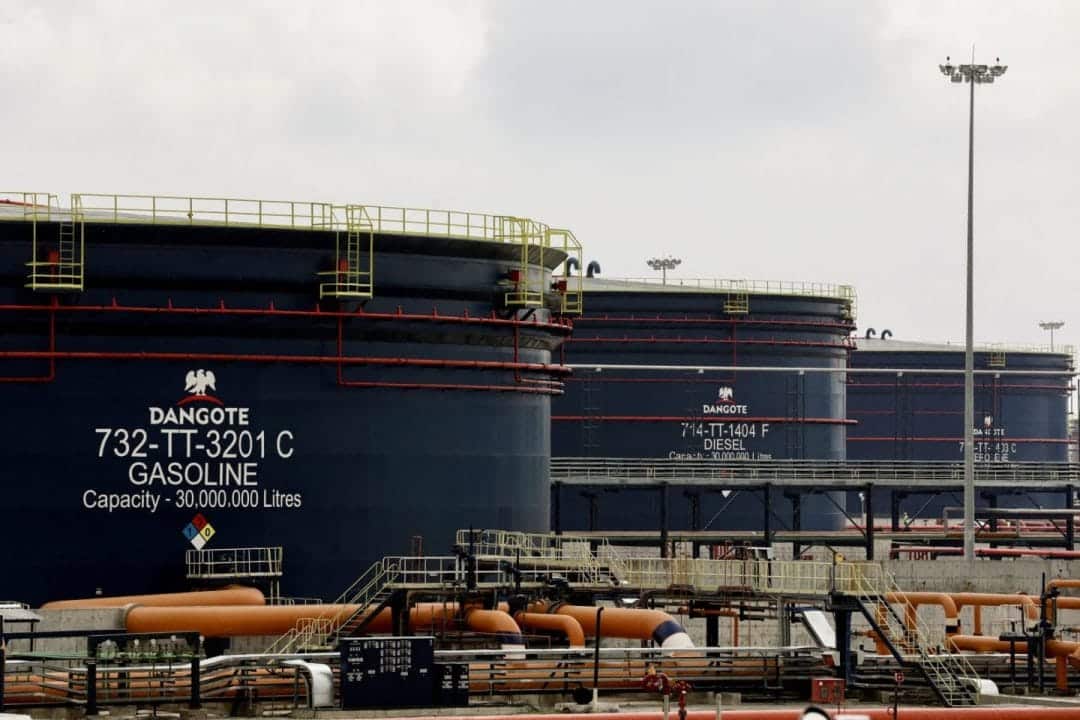
LAGOS, Nigeria — Nigeria’s fuel pricing debate just took a sensational turn as oil marketers, spurred by the unprecedented cost of Premium Motor Spirit (PMS) from the Dangote Petroleum Refinery, vow to bring cheaper alternatives to the market. The Dangote Refinery, which initially promised to alleviate Nigeria’s dependency on imported fuel, now faces fierce criticism and competition from local marketers who argue that the refinery’s petrol price, hovering between N1,015 and N1,028 per litre, is unjustifiably high. In a daring move, marketers are preparing to import and sell petrol at prices well below Dangote’s.
The stakes are higher than ever. This bold stance from marketers challenges the very fabric of Nigeria’s fuel distribution system and brings new scrutiny to the partnership between Dangote and the Nigerian National Petroleum Company Limited (NNPCL), which has been accused of monopolizing fuel distribution and pricing.
The Shock of High Prices: Dangote’s Expensive Petrol Rates
Just months into its operations, the Dangote Refinery has become a focal point of frustration, rather than a beacon of relief, for Nigerian consumers. Despite initial hopes that the refinery would stabilize fuel prices and reduce reliance on imports, Dangote’s petrol is currently sold to bulk buyers at N1,015/litre and small buyers at N1,028/litre. This rate has shocked the nation, especially as the cost of imported petrol currently stands at approximately N978.01/litre, according to data from the Major Energies Marketers Association of Nigeria.
A leading marketer, speaking anonymously, expressed shock at these figures, revealing that the Dangote Refinery’s prices are significantly higher than those of imported petrol. He criticized Dangote’s strategy and claimed the businessman was lobbying to block fuel imports altogether, likely to eliminate competition and retain control over the market.
PETROAN and the Promise of Cheaper Petrol
In response to Dangote’s pricing, the Petroleum Retail Outlet Owners Association of Nigeria (PETROAN) has stepped in with a bold promise. The association is negotiating directly with international fuel suppliers to bring in petrol at around N800 per litre—a strikingly lower price than Dangote’s. PETROAN’s Publicity Secretary, Dr. Joseph Obele, confirmed that the association has formed a private company, PETROAN Limited, and has applied for an import license from the Nigerian Midstream and Downstream Petroleum Regulatory Authority (NMDPRA).
With the assurance that imported petrol would hit the market at significantly lower prices, PETROAN is positioning itself as a champion for the Nigerian public. “We assure Nigerians that PETROAN will offer prices far less than Dangote and even NNPCL,” Obele declared. This promise could spell relief for millions of Nigerians who have been forced to endure skyrocketing petrol prices, but the path to achieving this vision is laden with regulatory and logistical obstacles.
Government’s Role in Fuel Pricing: Allegations of Market Manipulation
A cloud of suspicion hangs over the relationship between the Dangote Refinery and the NNPCL. Critics allege that the NNPCL, acting as a middleman between Dangote and the public, has failed to disclose the exact price it pays to Dangote for petrol. This lack of transparency has fueled conspiracy theories that the government is colluding with Dangote to monopolize the fuel market and maintain artificially high prices.
Oil marketers, like PETROAN and other independent players, accuse the government of sabotaging their efforts to import cheaper fuel. In a scathing rebuke, one marketer accused Dangote of pressuring the government to halt all fuel imports, effectively giving his refinery a monopoly over Nigeria’s fuel supply.
The Burden of Expensive Crude: Dangote’s Defense
In defense of its high petrol prices, the Dangote Refinery has stated that it is currently using crude oil purchased at a premium, around $80 per barrel. According to PETROAN’s spokesperson, Dr. Obele, Dangote’s justification is that the refinery is refining older stocks of crude, bought at the height of global oil prices, rather than the recently acquired, lower-priced crude.
However, with international crude prices dropping to around $72 per barrel, there is mounting pressure on Dangote to reduce his refinery’s petrol price to reflect this decline. “We won’t see any price reduction until the refinery starts refining cheaper, locally sourced crude,” Obele argued. This raises questions about how soon Dangote will switch to domestic crude supplies and what impact that will have on fuel pricing.
Independent Marketers Demand Transparency
In a television interview, the National Assistant Secretary of the Independent Petroleum Marketers Association of Nigeria (IPMAN), Yakubu Suleiman, lambasted Dangote’s fuel pricing strategy. Suleiman revealed that while imported petrol could be sold at significantly lower prices, Dangote’s rates remain high, partly because he refuses to engage with independent marketers in distribution plans.
Suleiman’s statement reflects widespread discontent within the industry. Independent marketers, sidelined by Dangote’s exclusive deal with the NNPCL, have expressed frustration at their inability to procure petrol directly from the Dangote Refinery. This arrangement effectively leaves Dangote and the NNPCL as the gatekeepers of Nigeria’s fuel supply chain—a position that many in the industry view as exploitative.
The Cost Conundrum: Landing Costs and Consumer Impact
The recently published landing costs of white petroleum products further illustrate the disparity in Nigeria’s fuel market. As of October 31, 2024, the landing cost for PMS was reported at N978.01/litre. Diesel and aviation fuel, both essentials for Nigeria’s economy, were priced even higher at N1,069.97 and N1,119.67 per litre, respectively.
These high landing costs put immense pressure on the consumer market, where prices are already soaring due to inflation and a weakened naira. Meanwhile, PETROAN argues that Nigeria’s landing costs are unreasonably high compared to those of other countries. This discrepancy, according to industry experts, stems from inefficiencies in the import and distribution chain, compounded by monopolistic practices that drive up retail prices.
Consumer Backlash and Calls for Reform
For Nigerian consumers, this situation represents a betrayal of promises. The Dangote Refinery, once heralded as the solution to Nigeria’s fuel crisis, now stands accused of inflating prices and manipulating the market. Calls for reform have intensified as Nigerians grow increasingly disillusioned with both the refinery and the NNPCL’s handling of fuel prices.
Consumer advocacy groups and trade unions are calling for a restructuring of the fuel importation and distribution framework, demanding that the government break up monopolistic practices and allow more independent marketers to operate freely. This call for reform underscores a larger sentiment of distrust in Nigeria’s regulatory bodies, which are perceived as being complicit in maintaining artificially high fuel prices.
The Road Ahead: Will Competition Bring Relief?
With PETROAN’s promise of cheaper petrol imports, the Nigerian fuel market faces a potential shake-up. If PETROAN can secure regulatory approval and bring in cheaper fuel, it would mark a significant shift in Nigeria’s energy landscape. However, this will likely face resistance from powerful stakeholders like Dangote and the NNPCL, who have vested interests in controlling the market.
For PETROAN, the journey ahead is fraught with challenges. Beyond regulatory approvals, the association must contend with logistical issues such as sourcing, transportation, and storage. Additionally, if PETROAN and other marketers succeed in undercutting Dangote’s prices, it could trigger a price war that would ultimately benefit Nigerian consumers. However, there are concerns that the government might intervene to protect Dangote’s monopoly under the pretext of safeguarding local industries.
Conclusion: An Urgent Need for Transparency and Fair Competition
As Nigerians wait anxiously for a reprieve from high petrol prices, the government must prioritize transparency and fair competition in the fuel market. The Dangote Refinery’s current pricing structure, coupled with the NNPCL’s murky dealings, has only exacerbated the nation’s fuel crisis. Allowing independent marketers like PETROAN to import cheaper fuel could alleviate some of this pressure and restore public confidence in the government’s commitment to the people’s welfare.
The time for government action is now. Nigerians deserve to know the true cost of petrol and have access to competitively priced fuel without monopolistic interference. Whether PETROAN’s efforts will bring about the change consumers desperately seek remains to be seen. But as the tension between Dangote, NNPCL, and independent marketers continues to escalate, one thing is clear: the battle for Nigeria’s fuel market supremacy is far from over.